


Musculoskeletal disorders (MSDs) remain the leading cause of occupational disease in France, accounting for 88% of cases recognized by France's national health insurance in 2024. The healthcare and social care sector is particularly exposed. While PRAP 2S training exists to equip every professional as an active participant in their own prevention, many organizations still treat it as a one-off action. This article breaks down the program, who to prioritize, and how to turn it into a lasting lever for reducing risk.
PRAP 2S: what exactly is it?
PRAP stands for Prevention of Risks Related to Physical Activity. The "2S" specifies the sector: healthcare and social care. It's a program overseen by INRS (France's national research and safety institute) and the national health insurance network, and it leads to a recognized qualification, not just an internal certificate issued by the training provider.
PRAP 2S vs. PRAP IBC: don't get the wrong training
The most common confusion is between PRAP 2S and its equivalent for industry, construction, and retail, PRAP IBC. The difference comes down to one specific module: 2S includes support for the mobility of the people being cared for (ALM), a skill specific to care and personal assistance, which IBC does not cover.
PRAP participant vs. PRAP trainer: two levels to distinguish
Two profiles, two objectives. The PRAP 2S participant is the professional trained to study and analyze their own work situation, and adopt good practices day to day.
The PRAP trainer, on the other hand, doesn't just practice: they roll the training out internally to their organization's teams, following a logic of in-house scaling rather than systematically relying on an external provider.
Who should you train in your organization?
Answering "all caregivers" doesn't help build a realistic training plan, especially with limited resources. Prioritizing means weighing several concrete conditions specific to your organization, based on the most exposed positions.
One useful way to prioritize: cross-reference an annual review of accidents by department with the share of staff already trained. This comparison shows where the real need is, rather than where it's assumed to be. This prioritization logic ties directly into building your training plan: PRAP 2S belongs there as a high-stakes regulatory action, to be weighed alongside your organization's other needs.
How does PRAP 2S training work?
PRAP 2S participant training lasts 4 days, or 28 hours, split into two modules with a break in between. It takes place in person, either in-house or across multiple organizations depending on the training provider. No prior qualification is required to enroll — you just need to work in a role involving support for the person being cared for.
This isn't just theoretical input: it's an action-based training approach, built around participants' real work situations.
In practice, the training walks participants through a single progression: positioning themselves as an active participant in occupational risk prevention within their organization, studying their own work situation, analyzing it based on how the musculoskeletal system works, proposing concrete improvement ideas in small groups, and then practicing how to support the reduced mobility of the person being cared for, taking care of both them and themselves. This progression matches the program's official learning objectives, detailed below.
Learning objectives and certification
Four learning objectives structure the program, set by INRS and the national health insurance network:
- Positioning oneself as an active participant in prevention within their organization
- Studying and analyzing their own work situation, drawing on an understanding of how the human body works
- Contributing to managing the identified risk
- Supporting the mobility of the person being cared for, taking care of both them and themselves (ALM)
At the end of the assessment, participants earn the «PRAP 2S Participant» certificate, issued by France's Occupational Risk Insurance network and INRS, valid for 24 months. After that period, a skills maintenance and refresher process (MAC) allows the qualification to be renewed.
How to become a PRAP 2S trainer
Becoming a trainer requires a base training course of 14 days, compared to 4 for the participant level, since the trainer will go on to roll out the approach in-house and lead sessions themselves. It's a matter of pedagogical skills, not just technical ones: raising awareness and training a group calls for a different register than simply performing a movement yourself.
For a trainer already certified in PRAP IBC, a 6-day (42-hour) bridge course is enough to obtain the 2S qualification, without starting from scratch. Some accredited organizations, working with regional CARSAT offices, publish a schedule of sessions dedicated to this path, without publicly listed prices: it's best to contact them directly.
The real challenge: making the skills last
A «PRAP 2S Participant» certificate alone guarantees nothing. Nothing proves that the correct movement, learned during training, will still be applied six months later in the field, at the exact moment when workload pressure pushes people to move faster.
.webp)
Worth noting
The forgetting curve, identified by psychologist Hermann Ebbinghaus, shows that content that isn't reactivated fades quickly after it's learned. That's why the mandatory MAC refresher, done on a fixed 24-month cycle, isn't enough on its own to keep a habit alive over time: the gap between refreshers is simply too long to counter this effect.
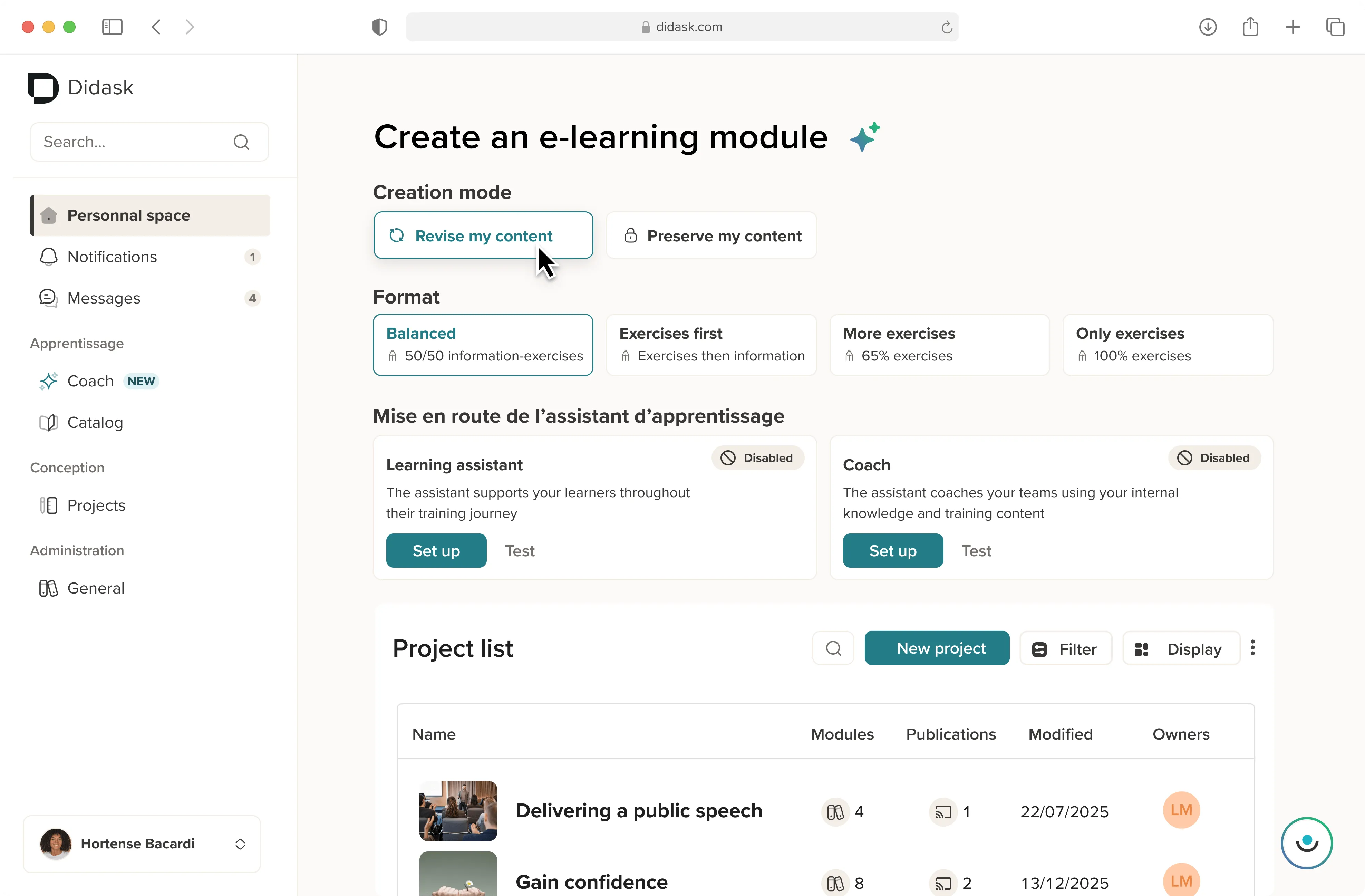
Addressing this requires moving beyond the regulatory framework alone and drawing on cognitive science. The goal has a name: retention — turning a movement demonstrated in training into a lasting reflex. Two levers make that possible: spaced repetition and scenario-based practice, detailed below.
From learned movement to applied movement: what makes the difference
Spaced repetition means reactivating the correct movement at short, regular intervals, rather than in a single reminder at MAC time, two years after the initial session.
Scenario-based practice, meanwhile, confronts the PRAP participant with cases close to their real work situation, rather than a theoretical classroom demonstration or generic examples.
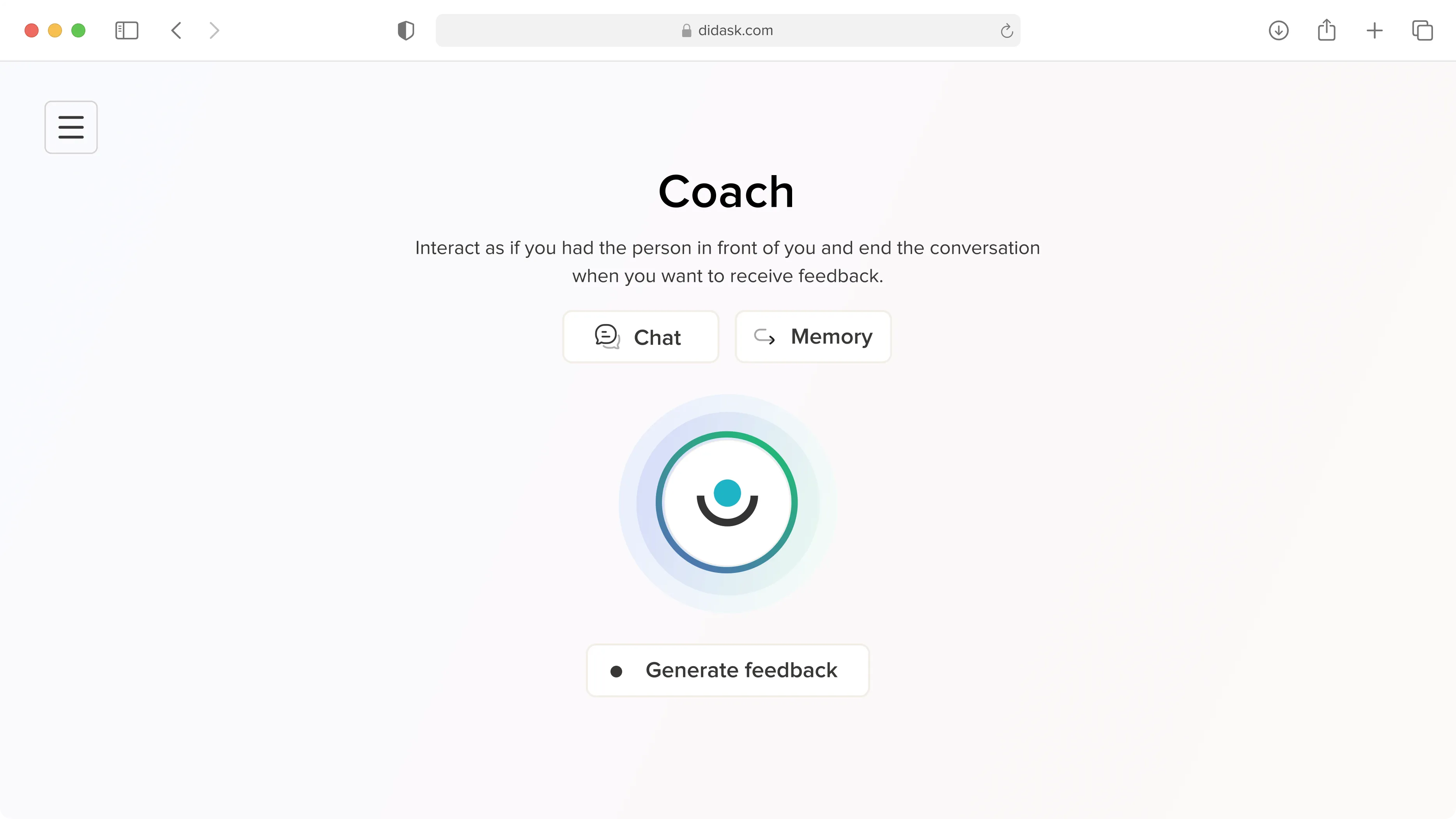
A third lever completes these two: contextualized feedback, given at the exact moment the professional performs the movement, which corrects the error on the spot rather than after the fact, and reduces the risk of injury from an incorrectly performed movement.
This logic connects to support within the flow of work: building prevention into the daily gesture, rather than confining it to a single session every two years.
How to measure the real impact of your PRAP 2S program
No training provider will tell you how to assess the real effect of their program on your incident rate. Yet that's the only question that matters for a manager who steers their prevention approach rather than just enduring it. Making impact measurable doesn't mean promising a precise reduction figure — it means tracking a set of indicators over time.
- Training coverage rate, by department and by at-risk position
- Frequency and severity of workplace accidents, before and after rollout
- Number of MSD cases reported by department, to identify areas still exposed
- MAC refresher completion rate relative to the staff concerned
Cross-referencing these indicators with your incident data gives a more precise picture than the share of trained staff alone. A department with high training coverage but still leading in MSD reports deserves a closer look: a poorly ingrained habit, unsuitable equipment, or an organizational issue.
Conclusion
PRAP 2S isn't just a box to check in your training plan. Managed with clear prioritization, retention over time, and tracked indicators, it becomes a real lever for reducing MSDs, the leading cause of occupational disease in this sector. The question is no longer "did we train our teams," but "do our teams still apply the correct movements six months later."
.webp)
.webp)
.webp)

.webp)



.png)