


A retail LMS is a training platform whose access, content formats and network administration are built for sales teams spread across many locations, often with no workstation and no work email address.
Across French wholesale and retail combined, 36% of employees received training in 2023, against 41% for all sectors, and 24 hours per trained employee against 30 (Insee Références, Formations et emploi, 2025 edition).
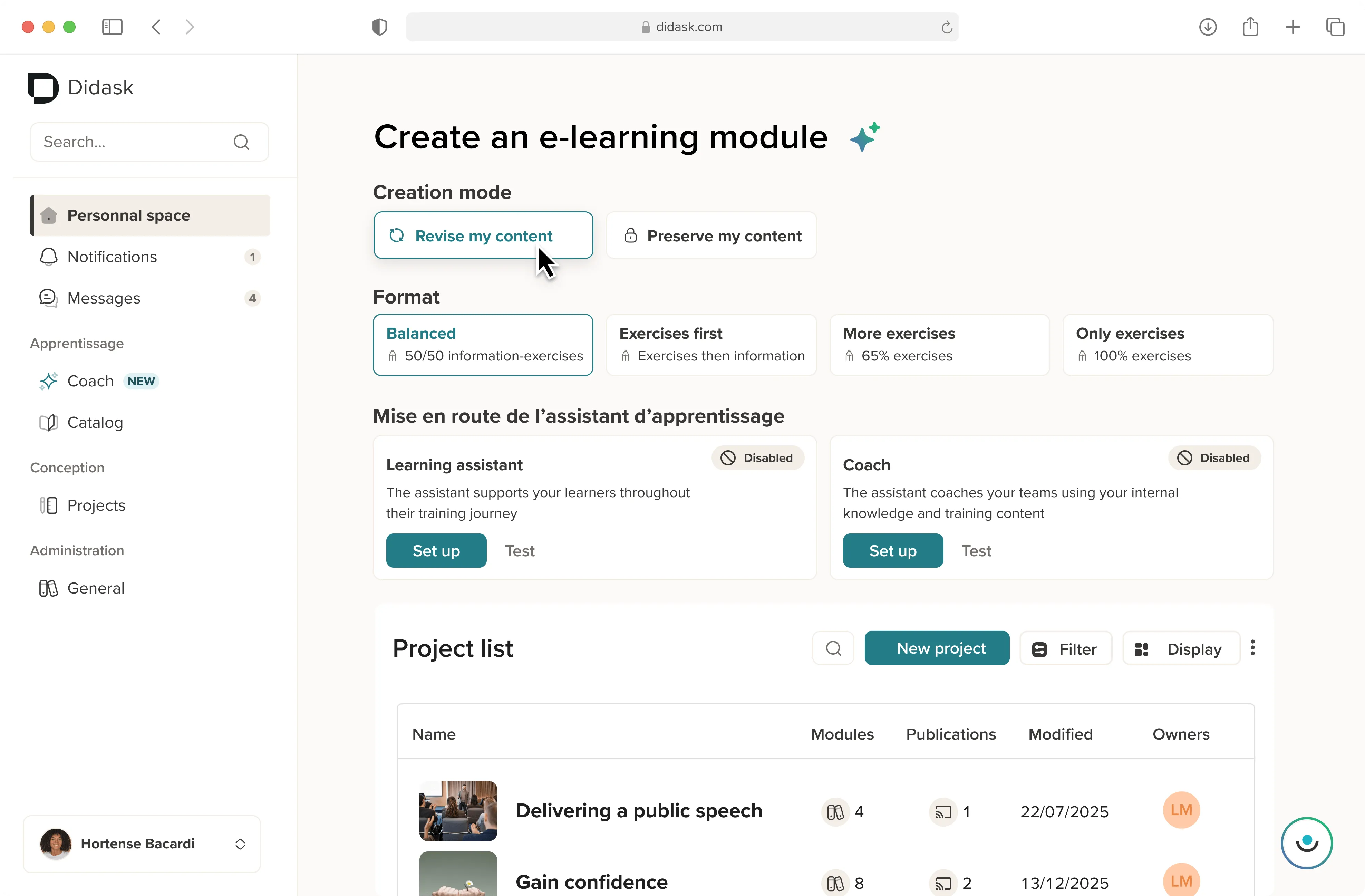
Didask is a French learning platform built on cognitive science, which generates personalized learning paths from a retailer's existing product catalogues and sales arguments.
What are the 7 best retail LMS platforms in 2026?
The seven platforms we selected are Didask, Beedeez, 360Learning, Sparted, Docebo, LumApps Learning and The Learning Lab. Didask publishes this comparison and ranks itself first; for the other six, we only used publicly verifiable information.
Ratings collected on Capterra on 13 August 2026. Four caveats: Sparted has only 4 reviews, The Learning Lab's listing still has to be confirmed, the LumApps Learning reviews relate to the former Teach on Mars brand, and the LumApps listing (4.1/5, 39 reviews) is mostly about the intranet.
1. Didask
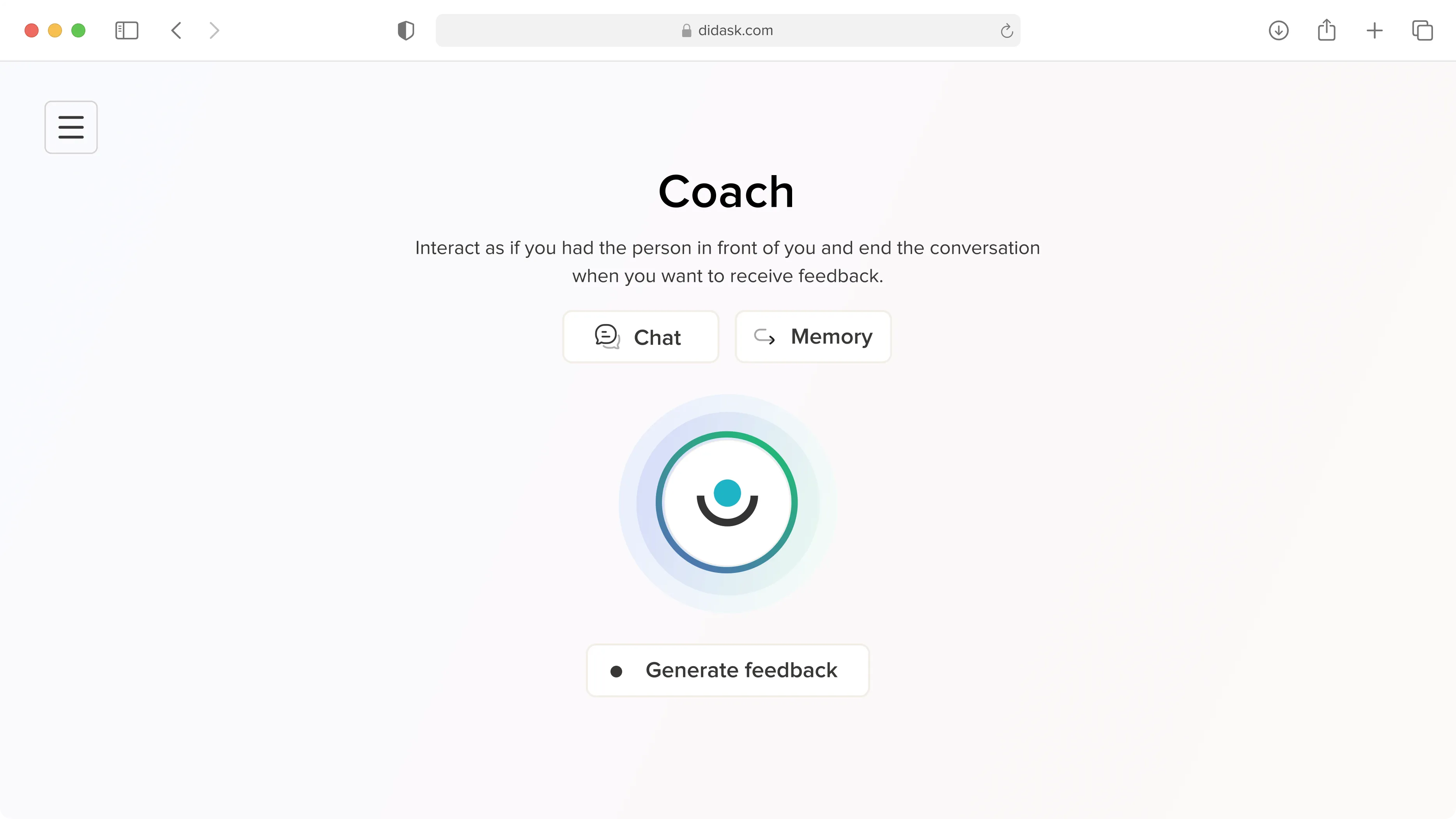
A French vendor behind a complete ecosystem: LMS, authoring tool, content-generation AI and an AI coach grounded in cognitive science. Didask Training cuts the time needed to build a course by 50 to 65% (Didask measurement across 2,237 courses, October 2025).
Strengths
- 83% of course creators had never built a module before becoming autonomous (8,704 learners, June 2023): decisive when training rests on a single person.
- Scenario-based practice and adaptive learning: the associate works on their answer to the customer, not on a product sheet.
2. Beedeez
French mobile learning platform created in 2015, designed for teams without a fixed workstation.
Strengths
- Five quantified retail cases, two of them franchise networks.
- Offline mode stated as native, SSO over SAML v2 and OpenID Connect, administration delegated per subsidiary.
3. 360Learning
French-American LMS created in 2013, built around collaborative learning: in-house experts produce the courses themselves. On the Intersport case, the vendor states more than 700 stores and 6,000 active employees.
Strengths
- Public entry price: €8 per user per month up to 100 users on the French pricing page.
- Broadest standards support in the panel, from SCORM 1.1 to 2004, plus cmi5, xAPI and AICC. Offline mode documented with its exclusions.
4. Sparted
French company created in 2014, whose product rests on sessions of three to four minutes a day, on a smartphone.
Strengths
- The only vendor in the panel to deploy the platform under the retailer's own brand, as with TK Academy at The Kooples. At Yves Rocher, it states a 22% increase in sales volume on new products.
- Servers stated in France, LMS interface with tracking, SCORM and SSO documented, inter-team challenges.
5. Docebo
Vendor founded in Italy in 2005, based in Toronto and listed on both the TSX and the Nasdaq.
Strengths
- One of two vendors in the panel to document login without email: its help centre states that providing an address is optional.
- Separate portals per banner or franchise, 59 documented languages, and the broadest ISO scope among the vendors that publish theirs.
6. LumApps Learning
The former French platform Teach on Mars, acquired by LumApps in December 2023. The rebrand was made official on 28 January 2026, and teachonmars.com now redirects to lumapps.com.
Strengths
- Offline mode documented with its exclusions: two download modes, videos excluded by default, course updates excluded in both.
- Login by unique identifier documented, with no email required, and internal communication brought closer to training.
7. The Learning Lab
Swiss vendor based in Zurich, positioned on premium retail: fashion, luxury, watchmaking and beauty. It is the only vendor in the panel to publish a complete pricing grid, and the only one to claim client confidentiality.
Strengths
- A public pricing grid, rare in this market, and hosting stated in Ireland and Switzerland.
- InstaLearn format of 60 to 90 seconds, separate instances per brand, branching scenarios.
.png)
How does a store associate without a work email address log in?
No comparison asks the question, even though it decides your first-login rate. Four routes exist: an identifier with no email, SSO against the retailer's directory, a QR code posted in the stockroom, or provisioning from the HR system.
The question to ask during the demo: 'Log an associate in without an email address, from my phone, without having prepared the account.'
What is a retail LMS, and how does it differ from a standard one?
A general-purpose LMS with three components adapted. Access first: an associate opens and closes the store and does not always have a work mailbox.
Content next, which goes out of date at the pace of the collections: the useful criterion is not how rich the initial catalogue is, but how long it takes to update an existing module.
And network administration last, because company-owned stores, franchisees and concessions have neither the same status nor the same reporting needs. That is where the pricing constraints appear. France counts 274,352 retail outlets, averaging 6 full-time equivalents each (Insee, 2022 data).
How do you choose an LMS for a store network?
Six criteria are enough, and the first is the time between content that already exists and training available in store.
- Time to produce a module. Insist on a demonstration using your own product catalogue, not a prepared example.
- Autonomy of the training team. Can one person produce content without an instructional designer?
- Real access in store. Login without a work email address, mobile usable standing up, sequences that resume after an interruption.
- Network administration. Sub-spaces per banner or per franchisee, delegated administration, consolidated reporting. Have this component priced separately.
- Integrations, and which ones exactly. An e-commerce integration sells training, a point-of-sale integration ties training to sales, and a workforce management integration decides when an associate can actually train. No vendor in the panel documents the third.
- Full cost per trained associate. Dormant licences, internal production time, paid add-ons. See the real cost of an LMS.
Would you like to find out more? Discover the best LMSs across all sectors.
One criterion to discard: completion rate. Beedeez states 95% at Groupe Athome, 360Learning 90% at Intersport, Docebo 100% adoption at Kiehl's — five of the seven vendors advertise between 85% and 100%, none with a sample size or a method. Having finished the module on the new range and being able to answer a customer's price objection are two different things. That is the illusion of mastery.
.png)
When part of the field cannot be reached digitally
'Some may have smartphones but that is not the case for all of them [...] there can be issues with phone credit, with internet access, or simply a poor connection. As a result, some of the sales staff worked through the Didask modules in group sessions, in person, led by a trainer.'
— Virginie Rochard, head of training for the sales division, Canal+ International, on a programme covering 500 learners across 12 African countries
.webp)
.webp)
.webp)
.webp)



.webp)
.png)