


Musculoskeletal disorders (MSDs) are now a genuine public health and performance issue for companies. As the leading cause of occupational illness in France, they generate pain, prolonged sick leave and a drop in productivity.
Faced with this reality, training employees in MSD prevention has become a priority. Thanks to digital solutions such as those offered by the Didask LMS platform, it is now possible to build knowledge and skills through interactive training adapted to employees' needs.
Let's look at why MSD training matters in the workplace, the legal obligations employers must meet, the sectors most affected and the impact of prevention on overall performance and staff safety.
Why MSD training matters in the workplace
MSDs cover a range of conditions affecting muscles, tendons and nerves, mainly in the back, shoulders and upper limbs. They are often linked to repetitive movements, unsuitable postures or excessive physical effort.
Training employees in MSD prevention makes it possible to act upstream, limit these risks and improve safety. Effective training rests on learning good practice and appropriate movements and postures, alongside an ergonomic working environment and suitable resources. Managing these elements well reduces risk and creates a safer working environment for organizations and learners alike.
Why train your employees in MSD prevention?
Preventing MSDs depends first on awareness, a competent trainer and training tailored to the job. By understanding which movements and postures to adopt, learners can reduce the risk of disorders linked to their professional activity.
Training dedicated to MSD prevention brings substantial benefits to companies and their employees throughout their working lives:
- Raising awareness of risk: understanding what triggers musculoskeletal disorders and adopting the right reflexes.
- Building prevention skills: giving employees practical knowledge of postures and professional movements.
- Reducing sick leave: better handling of risk reduces occupational conditions and their consequences.
- Increasing productivity: a healthy employee performs better and stays more engaged at work.
MSDs and legal obligations: what the law says
Employers carry a legal responsibility for health and safety at work. According to INRS, they must implement a risk prevention plan that includes training for employees exposed to MSDs.
That involves:
- An occupational risk assessment: analyzing workstations to identify the sources of MSDs.
- Suitable training: setting up online or in-person learning modules on good practice, with a trainer.
- Follow-up on the measures taken: regularly checking how effective the training is and adjusting the course and its content where needed.
Failing to meet these obligations can lead to financial and legal penalties, not to mention the negative impact on the company's social climate.
Which sectors are most affected by MSDs?
MSDs concern a wide range of sectors, particularly those where repetitive movements and constrained postures are frequent.
Among the most exposed sectors and organizations:
- Industry and logistics: handling, carrying heavy loads and repetitive movements.
- Construction: prolonged postures, machine vibration and heavy loads.
- Healthcare: patient handling and long periods spent standing.
- Offices and services: poor workstation ergonomics and excessive sedentary time.
The link between MSD prevention and business performance
Investing in MSD training and prevention pays off across the whole organization:
- Lower costs: less sick leave and less turnover linked to chronic pain.
- Stronger employee engagement: a company that takes wellbeing seriously attracts and retains its talent.
- Better working conditions: managing MSDs well improves team effectiveness and motivation.
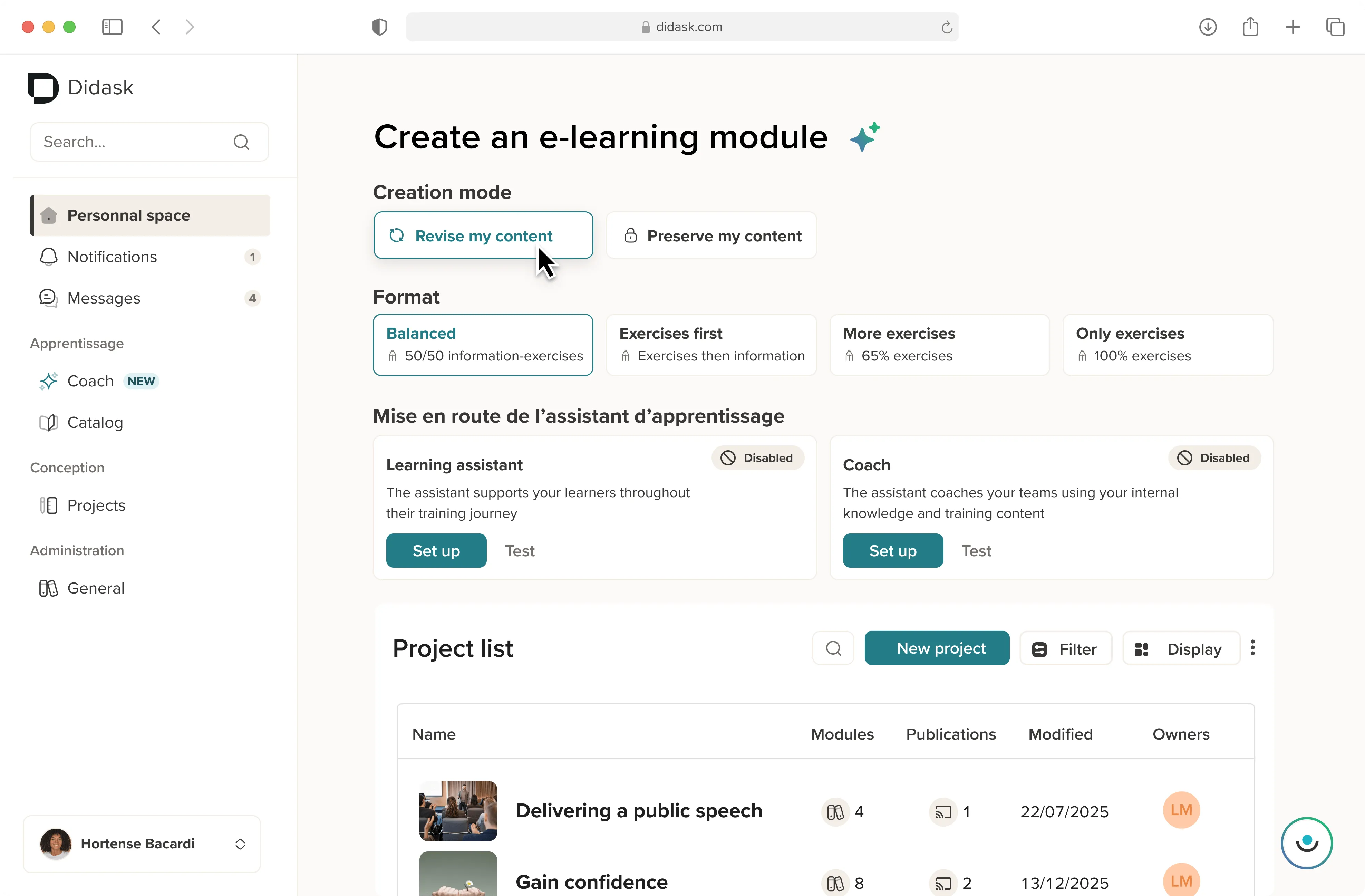
Didask: an innovative solution for MSD training
To meet the challenges of MSD training, Didask offers an innovative LMS (Learning Management System) solution. Through its LMS, Didask delivers interactive training adapted to business needs. Its hybrid approach, combining custom-built courses and ready-made training, provides flexibility according to your requirements. The Didask platform builds on cognitive science to ensure learning that is effective, lasting and suitable for everyone.
What the Didask LMS platform brings to effective training:
- A high-performing LMS: simplified training management and real-time project tracking.
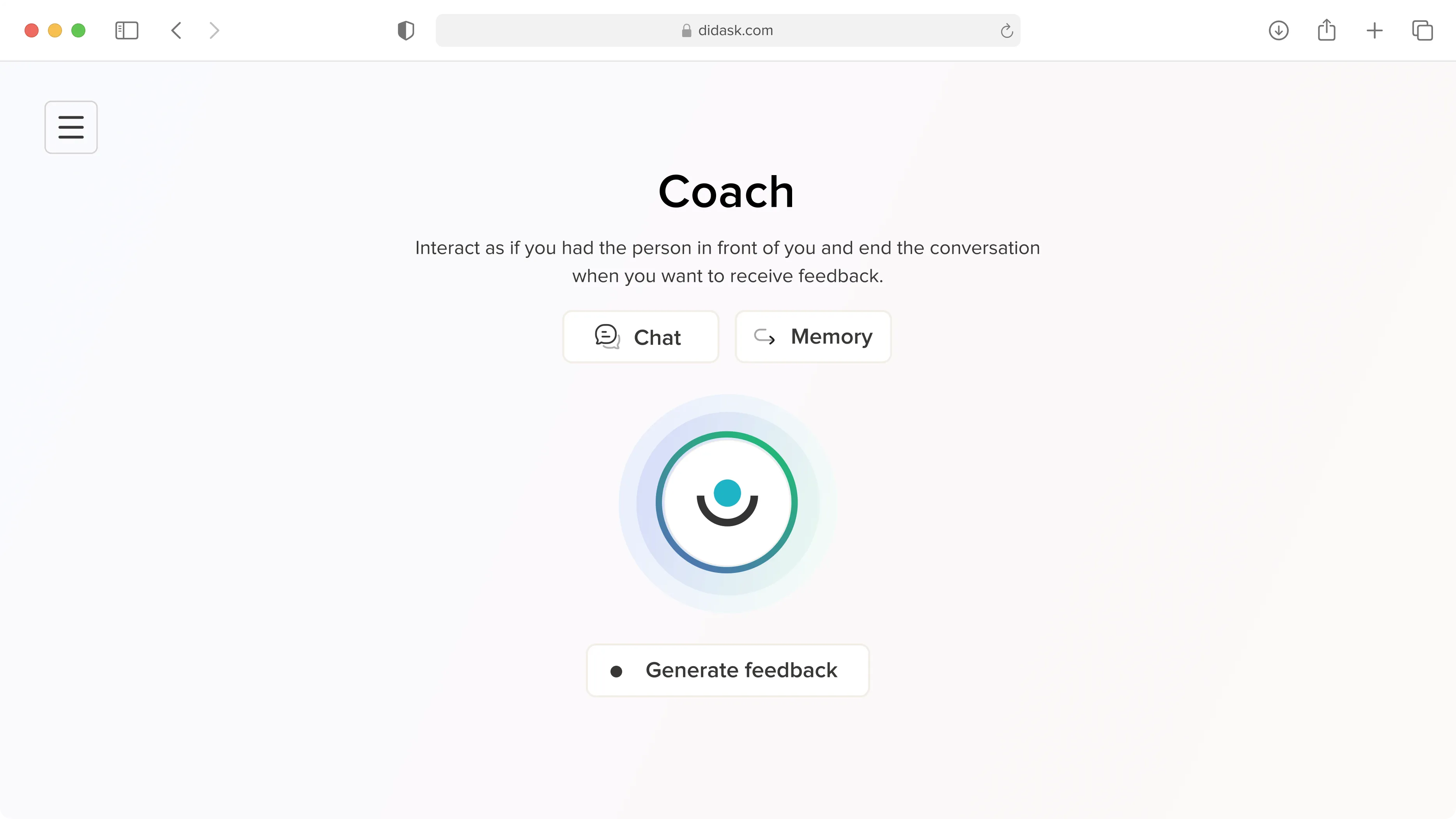
- An AI assistant: intelligent support for building suitable instructional modules.
- An intuitive authoring tool: creating tailor-made training content without advanced technical skills.
- An instructional AI: a fast, accessible way to launch an MSD prevention project.
- Ready-made courses: built with experts in the field, for training that is both high quality and up to date.
How to set up effective MSD training
Guaranteeing effective training means following a structured approach:
- Analyze needs: identify the risks specific to each workstation through a detailed assessment of tasks and ergonomic constraints.
- Choose the right format: opt for online, in-person or blended training depending on employee availability and needs.
- Use a suitable LMS: like Didask, for optimized management and data tracking, with advanced features such as adaptive learning to personalize paths and the wider skills development project.
- Integrate training into an overall prevention plan: schedule regular sessions, interactive reminders and continuous assessment to ensure progressive, effective learning.
- Evaluate the impact of training: use precise data, analyze learner feedback and adjust prevention strategies accordingly to maximize the effectiveness of the measures in place.
Preventing MSDs inevitably runs through employee training. An LMS such as Didask, paired with an AI assistant and a suitable training catalog, allows companies to build an effective and engaging training approach with ease.
Betting on modern, interactive instructional LMS solutions is the key to protecting employee wellbeing and optimizing overall company performance.
.webp)
.webp)
.webp)

.webp)




.png)