


You run human resources for a hospital, a clinic or a care home. Each year, you must ensure that hundreds of professionals hold a valid AFGSU. Between tracking deadlines, choosing accredited organisations and the risk of non-compliance during an ARS inspection, oversight quickly becomes a headache. This article gives you the regulatory landmarks and concrete levers to regain control.
AFGSU: what exactly are we talking about?
AFGSU stands for Attestation of Training in Emergency Gestures and Care. It certifies a professional's ability to identify an emergency and intervene while waiting for the medical team.
This certificate was created by the decree of 3 March 2006, then overhauled by the decree of 30 December 2014. It is now a reference in healthcare and medico-social facilities.
For you, as a training manager, it is not a simple individual diploma. It is a compliance building block that your facility must guarantee collectively.
The two AFGSU levels and their audiences
The regulation distinguishes two levels, each suited to a specific audience. Understanding this distinction is essential to build your training plan.
Level 1 targets all staff working in a healthcare or medico-social facility, whether caregivers or not. Level 2 targets healthcare professionals listed in Part 4 of the Public Health Code.
Who is concerned within your teams?
Precisely identifying the people subject to the obligation is the first step in your oversight. An incomplete mapping exposes you to gaps during an inspection.
Level 1 covers a broad scope, from non-care staff to support functions. It includes medical secretaries, reception agents, auxiliaries and technical services. Even a professional working in a practice or in medical transport may be concerned.
The regulatory aim is that, in time, all staff in a healthcare facility, caregivers or not, hold at least level 1. This ambition turns the AFGSU into a large-scale project for HR. The topic connects more broadly to the challenges of training teams in care settings.
.webp)
Note
The AFGSU 1 and 2 grant a recognised equivalence to the PSC since 2019, regardless of the date of obtention. This equivalence can serve as an argument to promote the training to your teams.
Objectives and structure of the AFGSU training
Understanding the training's educational content helps you engage with organisations and explain its value to your teams. The programme follows a precise framework, structured in modules.
The central objective is to make each professional capable of recognising an emergency situation and acting while waiting for the medical assistance service to arrive. The training alternates theoretical input and hands-on simulations on a mannequin.
The modules in the programme
The structure is organised around several complementary modules. Each targets a family of situations encountered in the field.
- Potential emergencies module: identifying a malaise, a trauma or a haemorrhage, and the appropriate response.
- Life-threatening emergencies module: recognising cardiac arrest, clearing the airways, resuscitation and use of the defibrillator.
- Exceptional health situations module: response to collective risks and organisation of emergency care in a crisis context.
Level 2 adds care with medical equipment and teamwork within a care team. These more technical skills explain its longer duration and its restricted audience.
Note
The significant share of simulation sets the AFGSU apart from a classic theoretical training. It is this repeated practice that anchors the gestures, a principle you can extend between two sessions.
Validity, refresher and the hidden risk of expiry
This is where most oversight difficulties play out. The validity rule looks simple, but its consequences are heavy in case of negligence.
The AFGSU level 1 and 2 is valid for 4 years from the date of obtention or the last refresher. This duration is set by the decree of 30 December 2014, amended by the decree of 1 July 2019.
Refresher on time, or initial training to redo?
As long as the certificate is valid, a 7-hour refresher is enough to extend validity for 4 more years. This session, called MAC, lasts one day.
If the certificate expires, the situation changes radically. The professional can no longer take the short refresher and must retake the full initial training.
For a facility managing dozens of deadlines, a single oversight means an initial training of 14 or 21 hours instead of one day. The financial and organisational impact multiplies quickly.
.png)
The key point to remember
The ideal time to plan a refresher is between 2 and 6 months before the expiry date. Anticipating protects your budget and your compliance.
Choosing an accredited organisation: what you must check
Not all organisations can deliver the AFGSU. The regulation strictly governs this accreditation to guarantee training quality.
Only the Emergency Care Teaching Centres, the CESU, and the organisations they accredit are authorised. These CESU are attached to the SAMU and verify the validity of the training delivered.
Before signing with a provider, systematically check their CESU accreditation. This precaution avoids certificates with no legal value during an inspection.
Funding: a point often poorly anticipated
Funding the AFGSU follows specific rules that must be built into your training budget. Poor anticipation can block your sessions.
The CPF does not allow standalone funding of the AFGSU, and the DPC also excludes it. For your salaried staff, the main lever remains your OPCO, to be factored in early.
How to obtain the AFGSU certificate: registration and process
Obtaining the certificate requires completing the full training with an accredited centre. No classic final exam is required, but assessment is continuous.
The trainer, themselves a healthcare professional holding level 2, validates the skills throughout the simulations. The certificate is issued at the end of the session by the organisation.
Registering your teams: practical arrangements
To register your staff, the most efficient route is to contact a CESU or an accredited organisation such as the Red Cross directly. You can opt for inter or intra-facility sessions.
Intra sessions offer a double advantage. They limit travel and allow the case studies to be adapted to your structure's working realities.
On cost, the price of an initial training or a refresher varies depending on the organisation and the chosen format. Request several quotes and check the funding terms through your OPCO before deciding.
Beyond the obligation: how to guarantee lasting retention of the gestures
Here is the point most content on the AFGSU ignores. Training your teams does not guarantee they will know how to recognise and handle a life-threatening emergency when the day comes.
Emergency gestures learned in person are forgotten without regular practice. This is precisely the phenomenon described by the forgetting curve, demonstrated by the psychologist Hermann Ebbinghaus as early as 1885.
A refresher every 4 years leaves an interval of several years during which skills degrade. Your administrative compliance is in order, but the real safety of your patients may be compromised. This retention challenge appears in other obligations such as chemical risk training or the workplace first aider.
The lever of reinforcement between two sessions
Research in cognitive science has demonstrated the effectiveness of spaced repetition to anchor learning over the long term. The meta-analysis by Cepeda and colleagues, published in 2006 in Psychological Bulletin, confirmed it across 317 studies.
In concrete terms, short and regular reminders between two refreshers keep the gestures accessible in memory. This logic turns the AFGSU from a one-off obligation into a living skill.
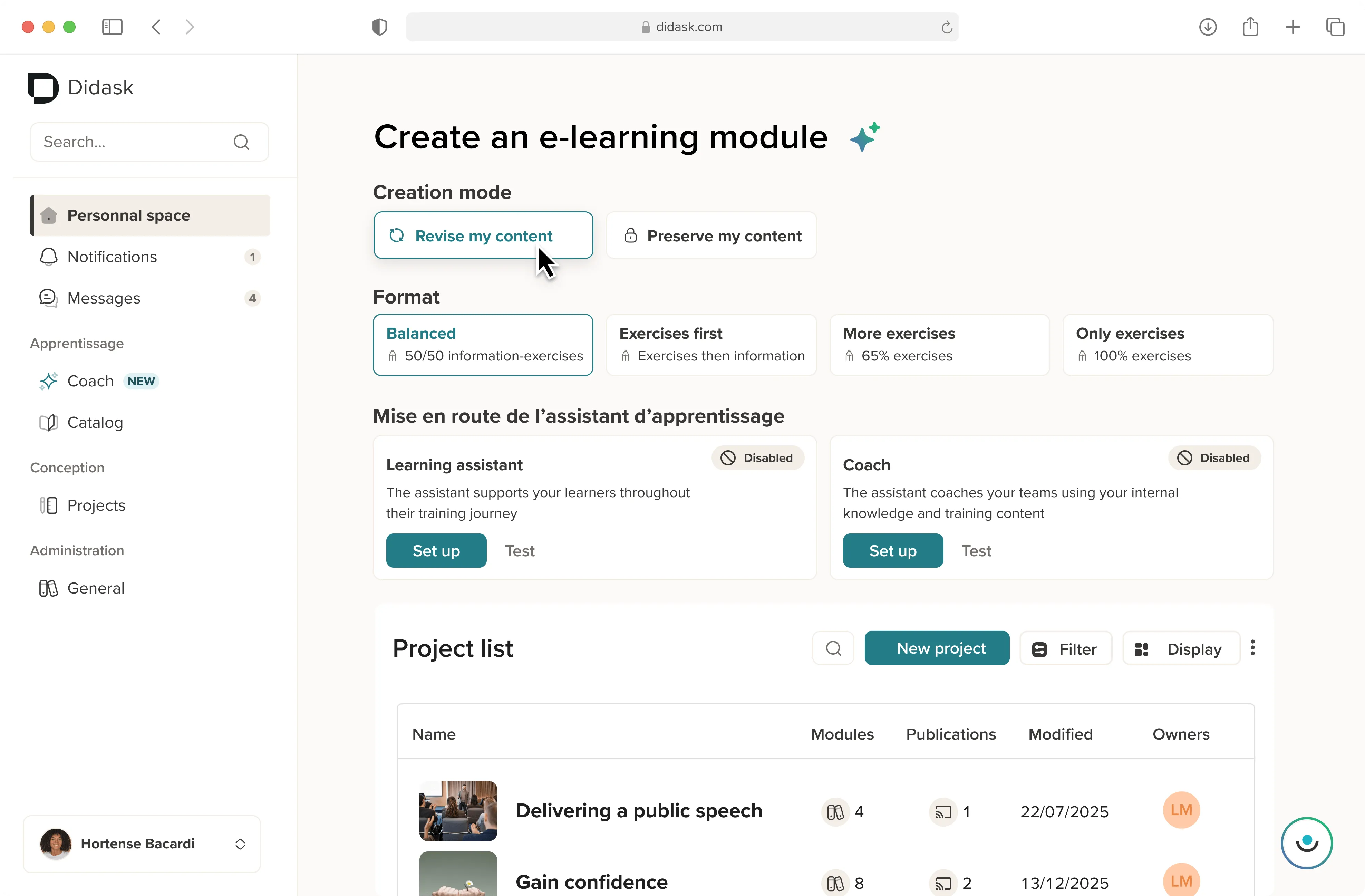
This is where a continuous learning approach makes full sense. Rather than ticking a regulatory box every 4 years, you genuinely maintain your teams' reflexes. The same logic applies to preparing an HAS certification, where real quality matters more than surface compliance.
Tip
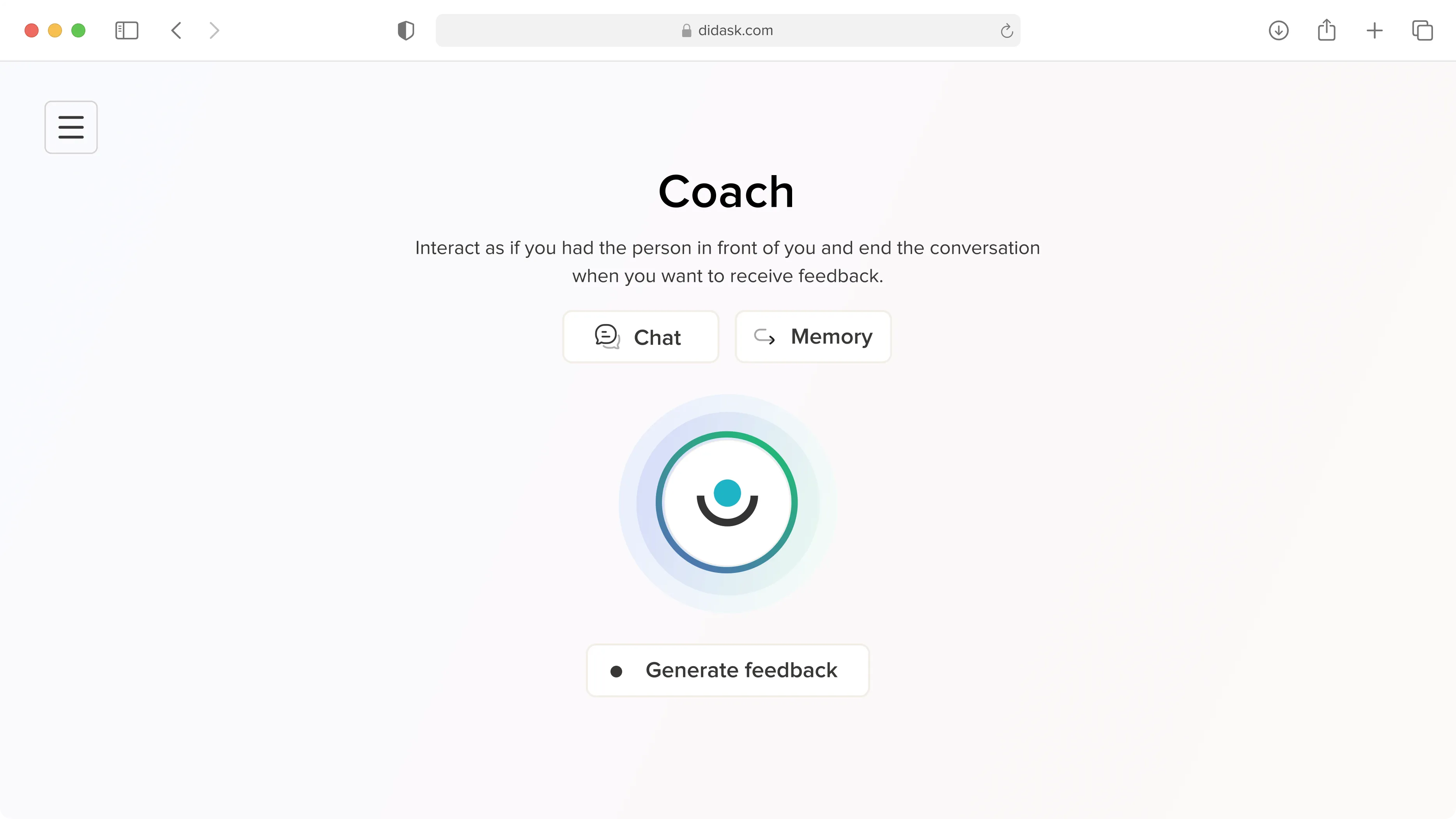
Pair the in-person AFGSU obligation with short digital reminder modules. You secure both regulatory compliance and real effectiveness in the field.
Building your AFGSU oversight plan
Regaining control of the AFGSU calls for a structured approach rather than ad hoc management. Here are the key steps to put in place.
- Map all staff concerned by level, distinguishing level 1 and level 2 obligations.
- Record all dates of obtention and expiry in a centralised tracking tool.
- Schedule alerts 6 months before each deadline to avoid any overrun.
- Select one or more CESU-accredited organisations and negotiate intra sessions to optimise costs.
- Plan a reminder mechanism between refreshers to maintain retention of the gestures.
This approach turns an imposed constraint into a controlled process. You gain peace of mind during ARS inspections and safety for your patients.
The AFGSU is not just a line in your training plan. It is an opportunity to rethink how your facility sustainably maintains the critical skills of its teams.
.webp)
.webp)

.webp)
.webp)



.png)