


Saving e-learning design time by adapting your pedagogical approach
In our previous article, "Designing digital training in a few clicks: an empty promise?", we discussed the question of e-learning design time. In this follow-up, we explore how to save design time by adapting your pedagogical approach… by changing perspective. According to some general observations, quality e-learning is broadly considered to be time-consuming and costly: 1 hour of interactive e-learning is said to represent around 20 days of work. Does that mean you need to become a genuine professional in digital instructional design, like a Digital Learning expert, to do better? Absolutely not. To meet learners' growing needs, reserving design work for training professionals is no longer enough. Subject-matter experts also need to design content, and they simply do not have the time to train up in instructional design on top of everything else.
As counterintuitive as it may seem, the essential question to ask in order to save time is not "Where and how can I save time?", but rather why your learners would need training on your subject. In the vast majority of cases, the answers come from the field: they are practices or behaviours that are poorly adapted or absent, and which penalise those who exhibit them. In short, errors that become "relevant" for anyone who knows how to identify them and have their learners work on them.
This error-based methodology can be surprising — most of us would instinctively start with a classic course plan, beginning with a reflection on what knowledge we want to transmit, which is the opposite of Didask's approach — but it is effective for pinpointing the essential concepts to convey, and only the most essential ones. Its value for designing quickly becomes clear, as the volume of content is reduced, saving precious time. Do not be afraid to get to the point and let it emerge in each piece of content. It is better to be precise, placing the emphasis on the errors your learners need to avoid.
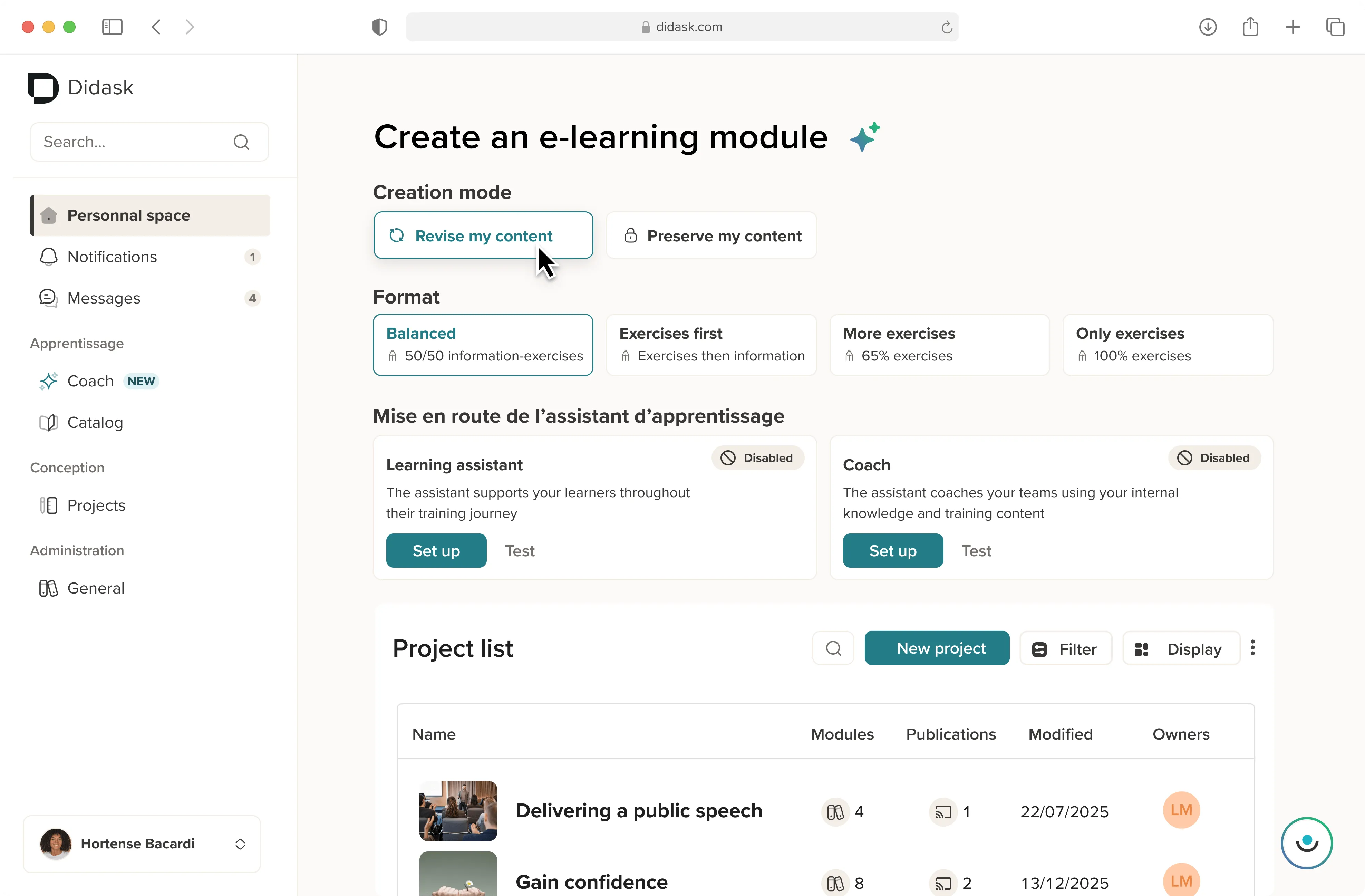
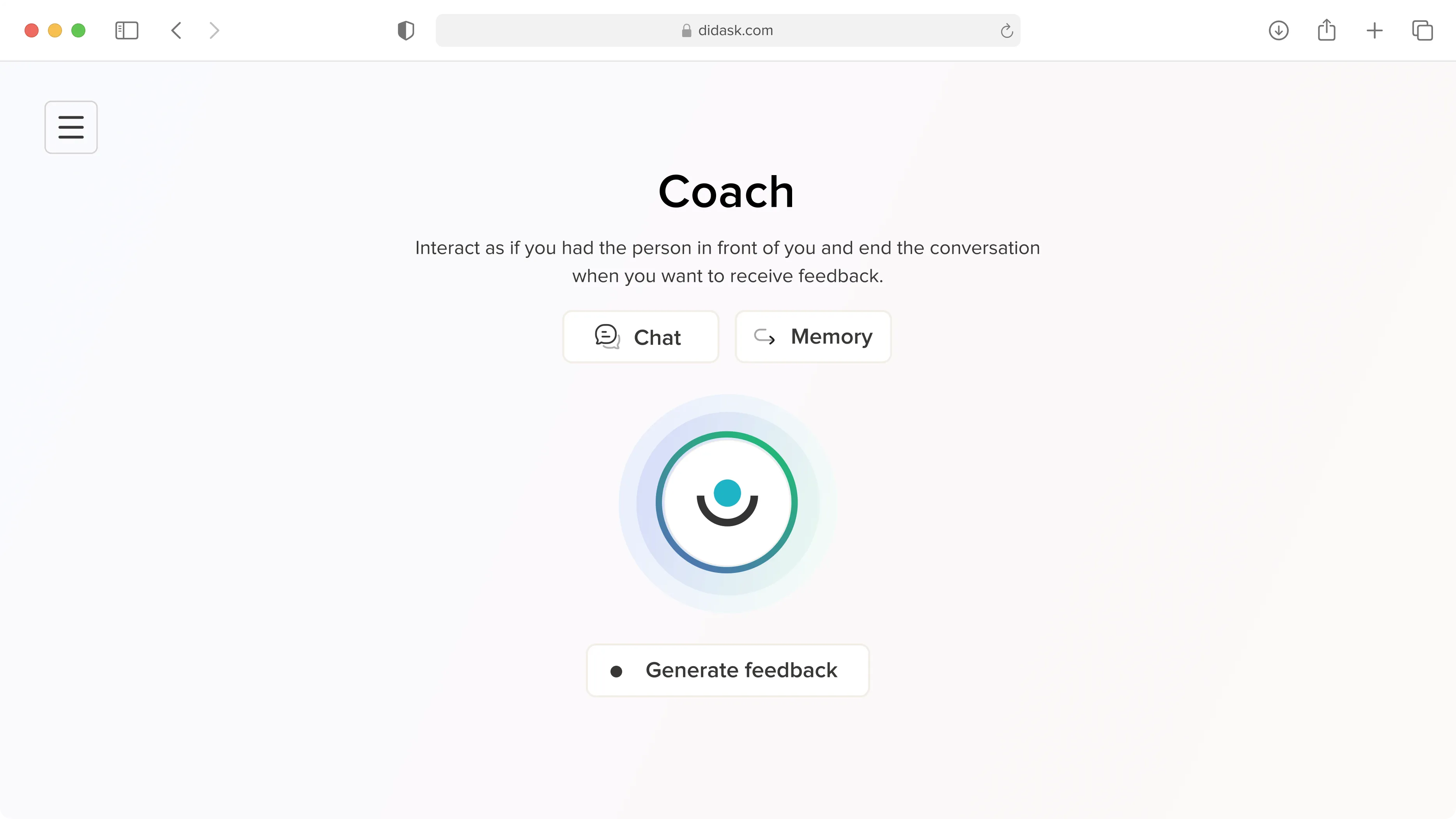
The Didask solution is built around this approach and allows you not only to take this fresh look at e-learning design… but to apply it with ease. To do this, we work on the basis of a precise, calibrated digital architecture that reduces overall working time, enabling you to produce engaging, quality e-learning: Didask Learning Apps. Our integrated pedagogical framework guides you from start to finish. In particular, it focuses your attention, as a designer, on your learners' needs in terms of learning and skill development, in order to create effective scenario-based exercises. From there, our technology automatically generates your Learning App.
A method combining speed and quality in e-learning design
In this way, you devote your precious time only to what you are irreplaceable for — your expertise — while Didask handles the pedagogy and the technical side.
Our approach? A standardised method that meets each of your needs, particularly in terms of speed and quality of e-learning design, by providing a working framework that quickly targets your pedagogical objectives and keeps your learners focused on the key challenges of your training. Just 5 days of work are sufficient to generate 1 hour of interactive training. Where a standard training course might span a hundred slides, with Didask it is truly transformed. Around twenty learning seeds (the elementary unit of our e-learning solution) are all you need to achieve your objectives, transmitting your expertise in a lasting and optimal way.
Our guiding principle? Combining speed and agility, without rushing needlessly, for a realistic design timeline. At Didask, we enable you to share knowledge quickly and effectively, whatever your area of expertise, including on complex topics to digitalise, with no technical prerequisites!
.webp)
.webp)
.webp)





.png)