


The job market is changing rapidly and with it the skills required to remain competitive. In this context, companies must adapt their training methods to enable their employees to acquire varied skills, which are essential to meet these new requirements. This includes reskilling and upskilling strategies. This is also where cross-skilling comes into play. This concept, which is becoming increasingly popular in talent management and development strategies, helps organizations broaden the skills of their employees so that they are versatile and able to intervene on multiple fronts.
What is cross-skilling?
Cross-skilling involves training an individual in skills that are not directly part of their primary role, but that may be useful in other related functions or tasks. For example, an HR manager can acquire financial skills to better manage recruitment budgets.
This approach allows employees to broaden their spectrum of skills and thus adapt to varied needs within the company. Cross-skilling is not to be confused with reskilling, which aims to train employees for new jobs in the event of a professional retraining, nor withUpskilling, which consists in improving an individual's existing skills in their field of expertise. In the context of modern work, these three approaches (cross-skilling, reskilling and upskilling) are essential to ensure the competitiveness of businesses and the professional development of their employees.
The challenges of cross-skilling in training
Adopting cross-skilling in business has a number of advantages:
1. Increase the versatility of employees
One of the main benefits of cross-skilling is that it promotes versatility. By acquiring skills in several areas, employees become more agile and can meet the company's ad hoc needs, especially when there is a shortage of workers in certain functions.
2. Improving internal collaboration
When an employee better understands the challenges of other departments, internal collaboration becomes more fluid. For example, it can improve the onboarding process new employees by facilitating their integration and skills development in several aspects of the job.
3. Retaining talent
Cross-skilling also contributes to talent retention. When employees see that the company invests in their personal and professional development, they are more likely to stay because they feel valued and better prepared to face future challenges.
4. Addressing the needs of cultural transformation
Cross-skilling is a lever to support companies in their cultural transformation. It creates a culture of continuous learning where employees are encouraged to develop their skills and adapt to new technologies and market developments.
How to integrate cross-skilling into a training strategy?
Setting up a cross-skilling strategy requires a structured approach to be effective. Here are a few key things to consider:
1. Identify relevant transversal skills
Not all skills are suitable for cross-skilling. It is therefore important to identify which ones are the most relevant to support the company's strategy. For example, field training skills can be useful for employees who have never worked in the field, but who need to understand the challenges involved.
2. Adopt an LMS to centralize training
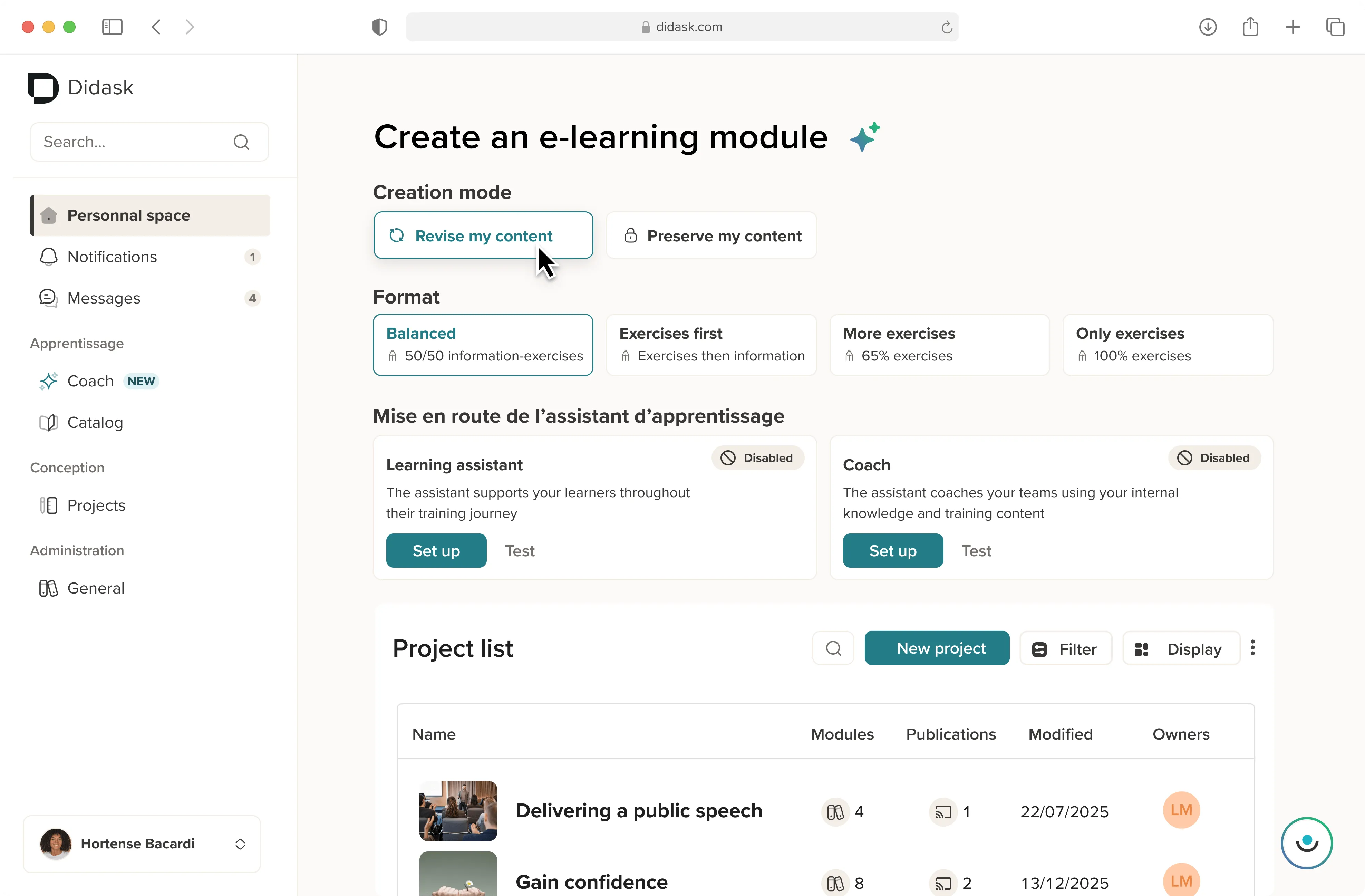
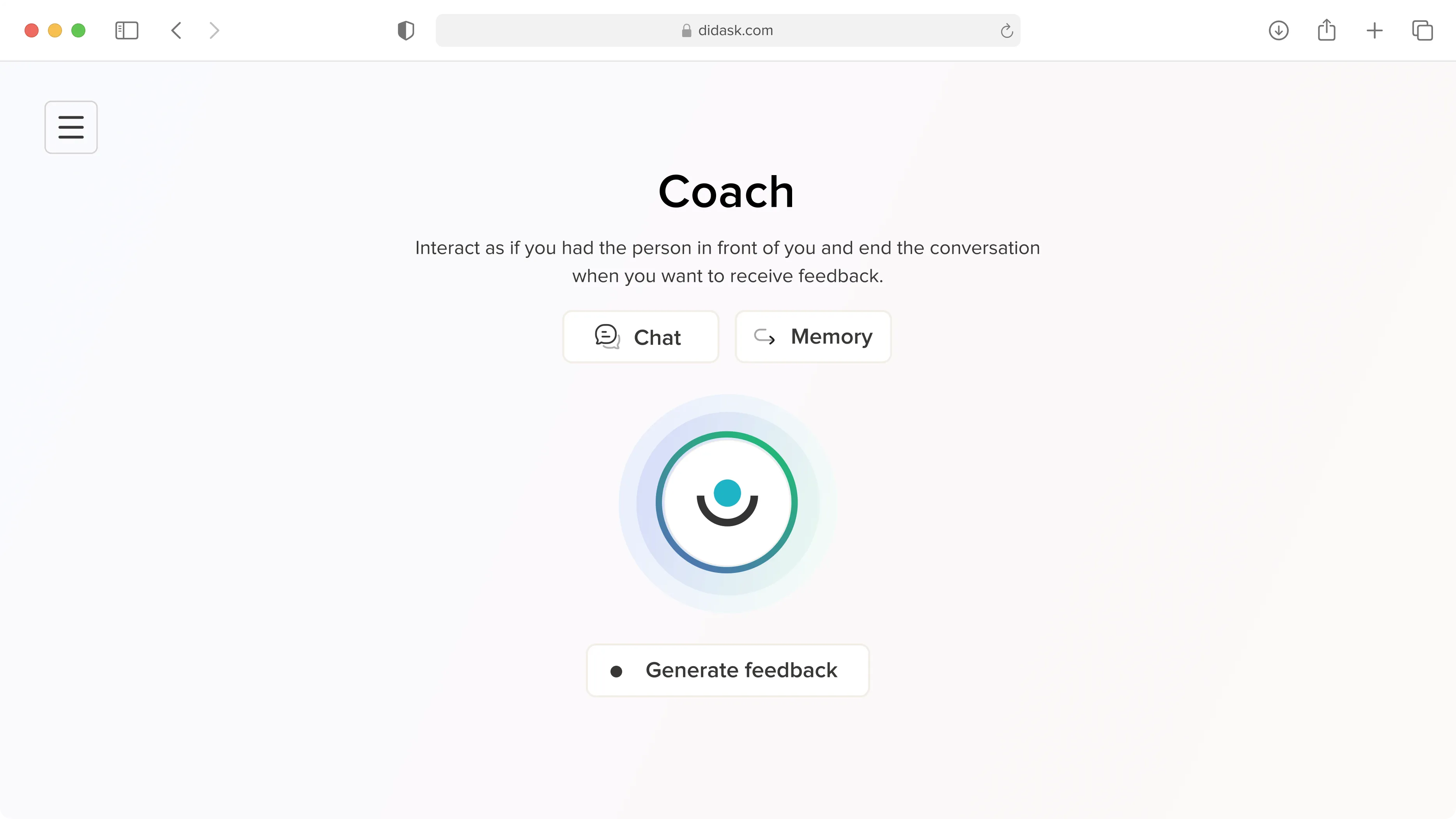
An LMS is an essential tool to support cross-skilling. It makes it possible to centralize customer training, software training or even commercial training according to the needs of each employee. With a good LMS, employees can follow personalized learning modules, at their own pace and according to their skills development goals.
3. Support cross-skilling with soft skills
Cross-skilling isn't just about technical skills. Les soft skills e-learning, such as time management, communication or even critical thinking, are just as essential to strengthen the versatility of employees.
Didask courses at the service of cross-skilling
Didask offers innovative solutions to support companies in implementing cross-skilling with their education and training LMS. Thanks to its educational approach, Didask allows organizations to train their employees effectively, whether it is managerial training, regulatory training or even mandatory corporate training.
1. Tailor-made training courses
Didask designs training courses adapted to the specific needs of each company and employee. Whether you want to develop skills or strengthen technical know-how, Didask allows you to create personalized and engaging modules, based on an active pedagogy methodology.
2. A flexible and scalable training solution
With Didask, flexibility is at the heart of the training strategy. Our LMS allows you to follow training courses on demand, through modular sessions. This flexibility is particularly useful for setting up cross-skilling programs, which can be seamlessly integrated into the daily lives of employees.
3. Continuing learning support
The Didask platform promotes continuous learning and the gradual acquisition of new skills. This is essential to ensure that cross-skilling is a sustainable process.
Cross-skilling has become an essential practice for businesses looking to optimize their resources and remain competitive in a constantly changing market. By promoting versatility, collaboration and talent retention, this approach is proving to be a real strategic asset. Thanks to Didask, companies can easily integrate cross-skilling into their training plan, taking advantage of tailor-made solutions and pedagogical flexibility.
.webp)
.webp)
.webp)

.webp)


.png)