


A starting fire can be brought under control in a few seconds, or become uncontrollable for lack of an immediate and coordinated response. EPI training (first-intervention responder) is the regulatory system that allows your company not to depend solely on the arrival of the fire brigade.
But designating responders and sending them to a training once a year is not enough to guarantee an effective reaction on the day. This article details the legal obligations, the concrete objectives of the training, and how to organise a system that genuinely anchors the reflexes over time.
What the regulations say: the employer's obligations regarding fire safety
The French Labour Code requires the employer to take the necessary measures so that any starting fire can be fought quickly in the interest of saving workers (art. R4227-28, Légifrance). EPI training is not mandatory by name, but it constitutes the most recognised means, particularly by insurers, of meeting this obligation of result (INRS).
The issue is therefore not "should we train?" but "how do we guarantee the presence of trained and operational staff members at all times in the building?".
.png)
The employer's 3 key obligations
1. Put in place fire-fighting means suited to the risks of the premises.
2. Train the designated responders in their effective use and in evacuation procedures.
3. Keep skills up to date through periodic refreshers to reduce risks over time.
Who must be trained, and in what proportion?
The regulations do not set a universal ratio. It is the risk assessment formalised in the DUERP that determines the organisation suited to each establishment (Eurofeu; msecu). Any person present on the premises can be concerned: employees, agents, staff, but also visitors or external providers depending on the site configuration.
The training manager must anticipate absences, staggered hours and shift rotations. To go deeper into the legal framework of mandatory company training, see our dedicated article.
EPI, ESI, SSIAP: what differences for the training manager?
These three profiles correspond to three distinct levels of intervention in the face of fire risk. Identifying which one applies to your organisation allows you to calibrate the training and refresher requirements at the right level.
Objectives and key skills of EPI training
The objectives of EPI training go beyond merely handling an extinguisher. The aim is to train each participant to react in a coordinated way to a starting fire, before help arrives.
At the end of the training, each responder must be able to:
- Identify a starting fire and understand the fire triangle (fuel, oxidiser, energy) to choose the right extinguishing method
- Trigger the immediate alert and apply the fire safety instructions specific to the establishment
- Use the first-intervention means, extinguishers and wall hydrant (RIA), appropriately according to the type of fire
- Ensure the safety of people during the fire evacuation, taking on the roles of lead guide and rear guide according to the defined procedure
- Master the specific risks related to the electrical installations, gas and industrial equipment present on the premises
.webp)
Worth noting
EPI training is not meant to train first-aiders or professional rescuers. Its objective is to enable an effective intervention in the first few seconds, while waiting for the fire brigade. It is complementary to the SST (workplace first-aider), which covers first aid to people.
Duration, prerequisites and available formats
The duration of the basic EPI training generally ranges from half a day to a full day (3 to 7 hours), depending on the training organisations and the format chosen (INRS). It alternates theory, the fire triangle, fire classes, the regulatory framework, with extinguishing exercises on real equipment or a simulator.
The training requires no technical prerequisite. It is open to any participant designated by the employer, including people with disabilities subject to suitable arrangements. Two formats are available:
- In-house: a session organised on the company's premises, with the site's equipment. Makes it possible to adapt the content to the specific risks of the establishment.
- Inter-company: participants join a group in a training centre. More accessible for SMEs with a limited number of EPIs to train.
For industrial sites or buildings with specific risks (gas, electrical installations, work in progress), the in-house format is recommended. To structure your regulatory training formats, see our dedicated guide.
What an in-person session does not guarantee
A first-intervention responder training covers the essential actions. It does not guarantee, on its own, that these actions will be mobilised correctly in a real emergency situation.
Worth noting
An initial training certificate proves participation in a session. It does not guarantee that the key skills will be activated correctly under stress, several months later.
Why a day in person is not enough to anchor the right reflexes
Under stress, the brain activates the most automated behaviours, not the most recent ones. A training followed only once a year, with no consolidation in the interval, leaves few lasting traces in long-term memory.
The spacing effect, documented by Cepeda et al. (2006), demonstrates that regular reminders over time produce a markedly better anchoring than a single session, even an intensive one. Reinforcing the knowledge acquired in the initial training is precisely what digital makes it possible to do, at lower cost and at scale.
.png)
Key principle
For workplace safety actions, the issue is not only to train, but to bring the reflexes back to memory regularly until they become automatic.
How to organise EPI training effectively across the company
Organising an effective fire prevention system does not come down to booking sessions with a trainer. You have to map the needs by site, select a qualified provider, structure the tracking of refreshers and integrate a digital consolidation lever.
Map the needs: workforce, sites, staggered hours
The first step consists of listing the real needs: number of participants per site, time slots to cover and priority risk posts. The organisation must adapt to the risks, to the configuration of the premises and to the actual presence hours, not solely to the total workforce (Eurofeu).
A dashboard of accreditations per site makes it possible to anticipate the refresher deadlines before they become blind spots in your compliance management.
Choosing a provider: the criteria that really matter
A qualified provider must demonstrate recognised expertise in fire safety, use real equipment or a suitable mobile unit, and hand over traceable documents at the end of each session. To obtain a quote, contact the provider specifying your workforce, the nature of your premises and the industrial equipment present.
The training organisation remains a partner for the practical part: it is up to the employer to steer the overall risk-prevention system.
Trace, refresh, maintain: steering over time
The tracking of refreshers is the blind spot of most EPI systems. A table of accreditations with expiry-date alerts and an up-to-date safety register make it possible to avoid coverage gaps between two sessions.
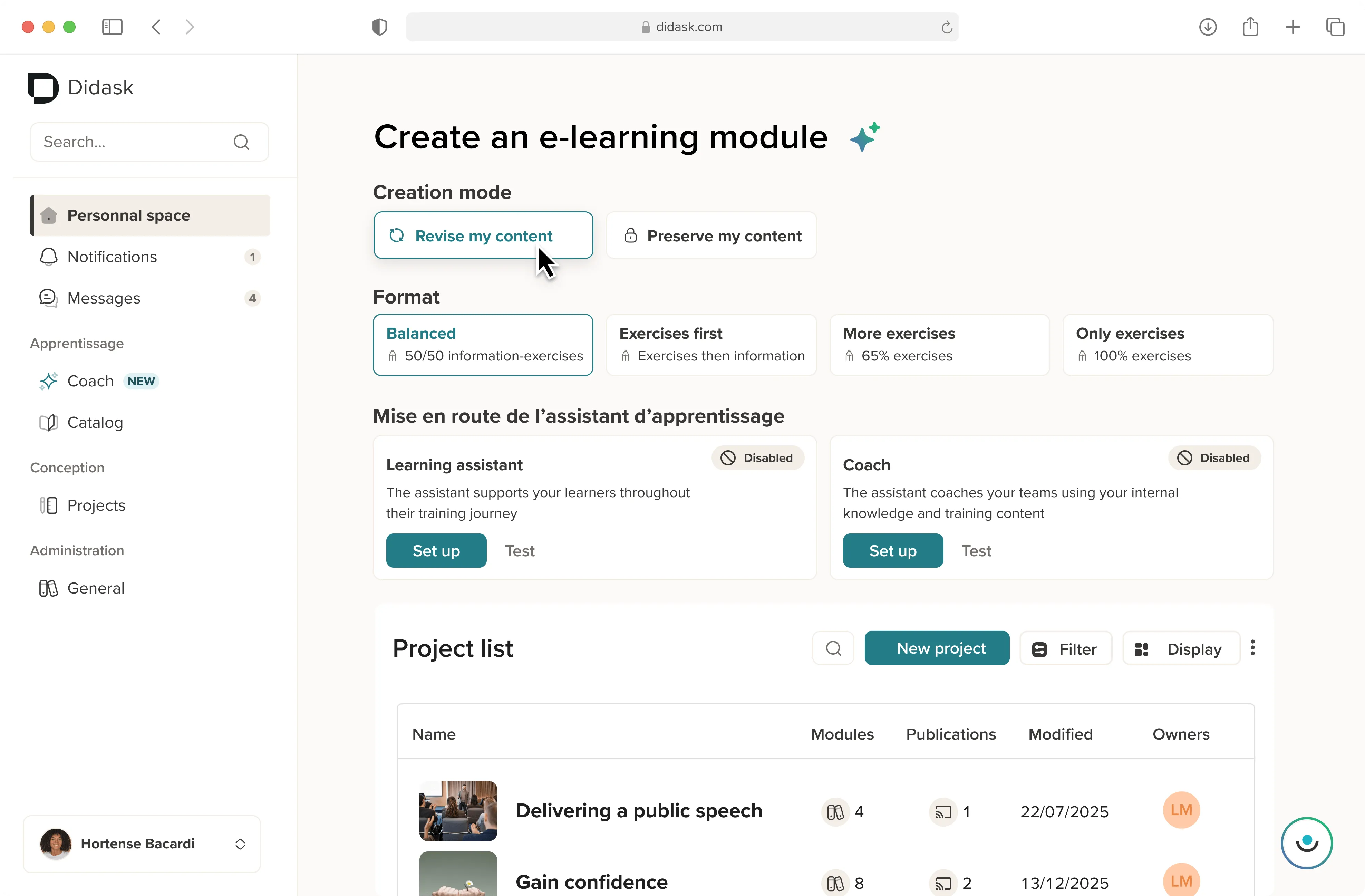
Didask Training makes it possible to centralise these regulatory training paths, trigger automatic reminders and track each employee's progress from a single interface. To explore the different types of regulatory training to integrate into your annual plan, see our dedicated article.
Integrate a digital module before and after the in-person session
An e-learning awareness module beforehand improves the effectiveness of the in-person session: participants arrive with the basic knowledge (fire triangle, fire classes, fire safety instructions). Afterwards, spaced activities consolidate the key skills acquired in the initial training.
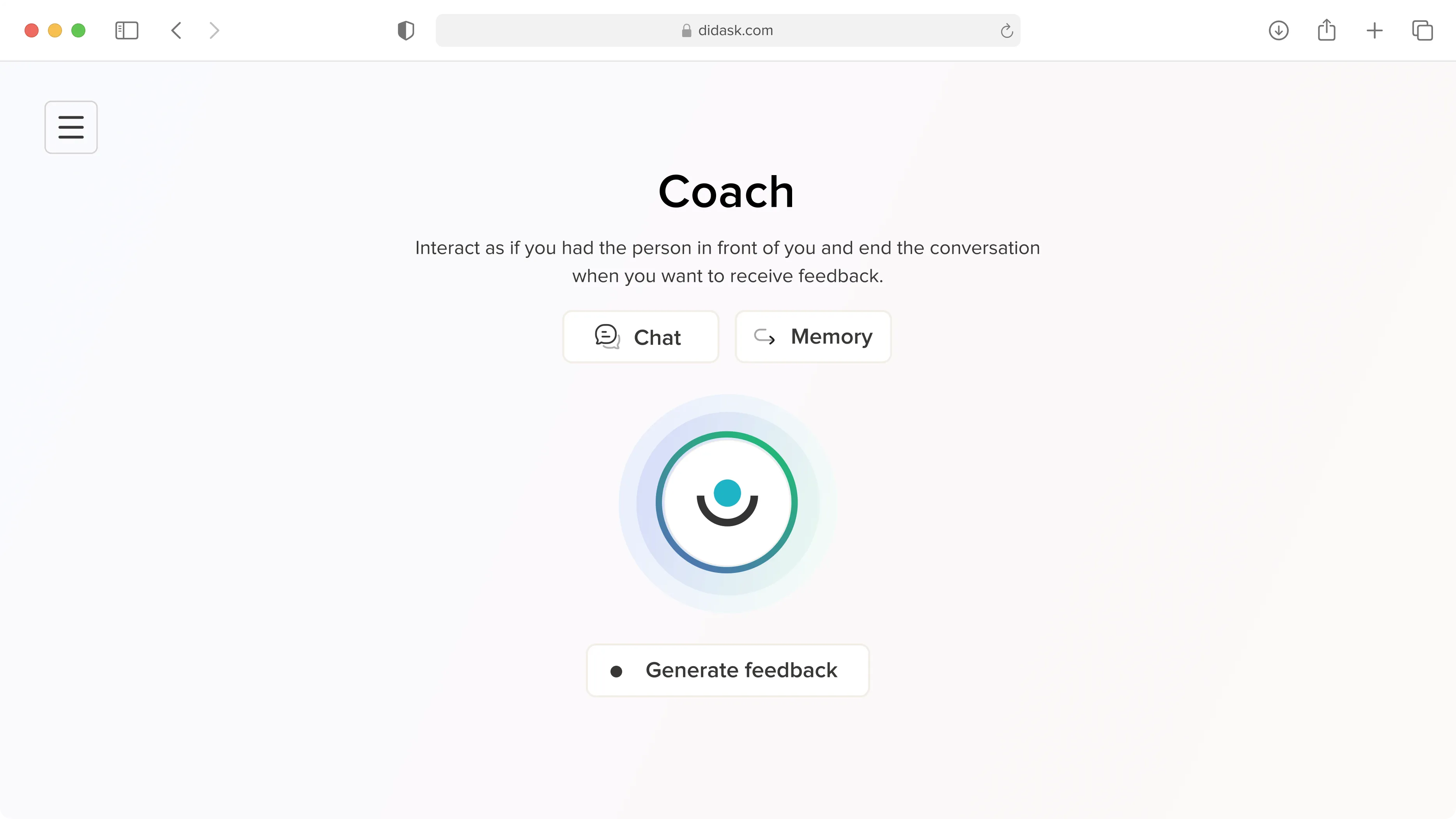
Didask Training makes it possible to create these modules quickly, with no technical prerequisite, and to integrate them directly into the overall path. Digital does not replace the real handling of an extinguisher: it prepares for it better and improves its lasting anchoring.
Recommended blended system
Before: e-learning awareness (fire triangle, safety instructions, lead-guide and rear-guide roles). During: in-person session with an accredited provider and extinguishing exercises on real equipment. After: spaced activities on Didask Training to anchor the reflexes over time.
What digital changes (and does not change) in EPI training
In-person remains irreplaceable for acquiring the practical actions and the real handling of the equipment. Digital brings what in-person alone cannot offer: memory anchoring over time, automatic traceability of accreditations and scalability across several sites.
EPI training is an essential measure of individual and collective protection. What counts is that your responders react correctly when the alarm really goes off, not only on the day of the session. The system that achieves this combines a qualified in-person provider and a digital consolidation tool to turn a day of training into durably anchored reflexes.
.webp)
.webp)
.webp)


.webp)


.png)