

The ATEX regulations are precise about the obligations. They are far less talkative about how to uphold them over time.
The result: many industrial companies train their operators once, then struggle to track accreditations, manage refreshers and prove their compliance during an audit.
This article is aimed at training and HSE managers who must structure this programme. Not at those looking for a certification body.
What is ATEX training and why is it mandatory?
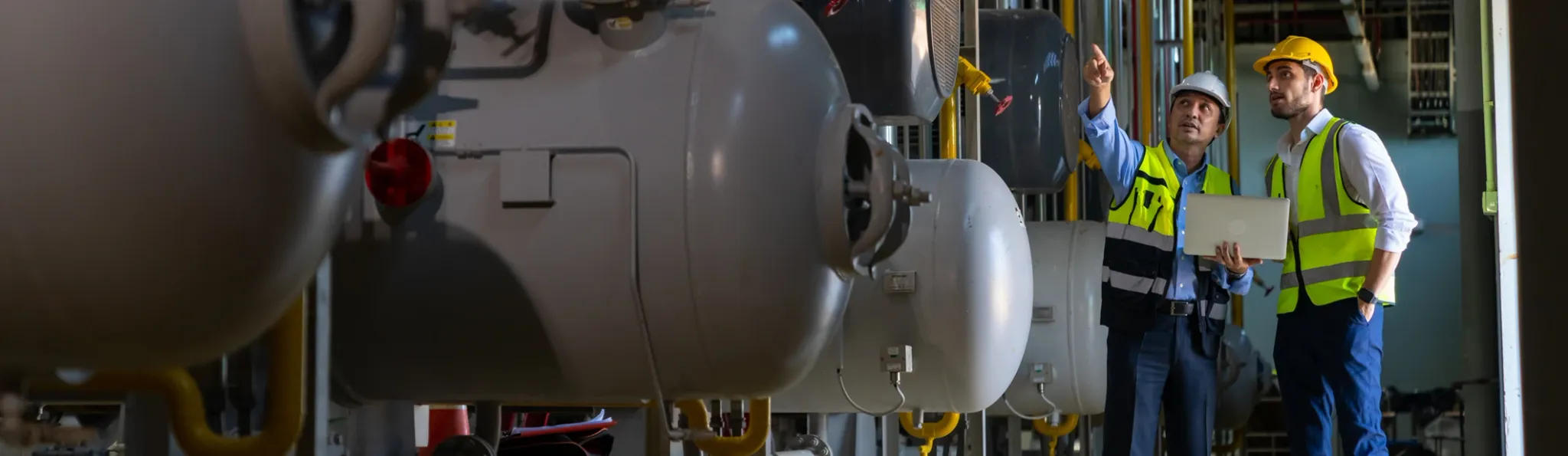
ATEX is the acronym for EXplosive ATmosphere. It refers to any environment where a mixture of combustible gases, vapours, mists or dusts can ignite on contact with an ignition source.
Articles L4141-2 and L4141-3 of the French Labour Code require the employer to train any employee likely to work in an ATEX zone. The European Directive 1999/92/EC reinforces and specifies this obligation.
.png)
Key point
In the event of an accident in an ATEX zone, the absence of traceable training directly engages the employer's criminal liability. Compliance is not an option: it is a condition of operation.
What are the ATEX zones and who is concerned?
The employer is required to classify the risk zones via the Explosion Protection Document (EPD). This classification distinguishes two families: gas/vapour risk zones and dust risk zones.
Is ATEX training really mandatory for everyone?
A misconception persists: ATEX training would only concern electricians or maintenance technicians. This is a mistake that exposes the company.
The obligation extends to any personnel likely to work near a classified zone, in particular:
- production operators working in the zone or at its periphery
- internal work supervisors overseeing operations in an ATEX zone
- subcontractors and external providers working on the site
- cleaning, logistics or delivery personnel passing through the zone
The ATEX training levels: which accreditation for which post?
The right question, on the employer's side, is not which training to follow. It is: which accreditation to assign to which post?
The ISM-ATEX framework structures four progressive levels, each associated with distinct skills and responsibilities.
Level 0: awareness, the foundation for all personnel
This level covers the risks related to explosive atmospheres and the behaviours to adopt in a classified zone. It is aimed at the majority of the workforce in industrial environments.
It is often underestimated in training plans. Yet it is the largest volume of training to manage at scale, particularly in a context of high turnover.
Levels 1 and 2: operational and technical accreditation
These levels concern personnel carrying out interventions in an ATEX zone: electrical work (1E, 2E) or mechanical work (1M, 2M). They give rise to an ISM-ATEX certification issued after assessment.
The preparatory theoretical parts can be delivered by an accredited internal trainer. The ISM-ATEX certification tests, however, remain issued by an accredited certification body.
Level 3: ATEX expert and designer
This level is aimed at internal ATEX referents and designers of classified installations. It is rare and often outsourced. For companies operating internationally, the IECEx certification complements this level.
The real challenge: managing ATEX training over time
Training once is not enough. The refresher is mandatory, turnover in production is real, and the ISM-ATEX frameworks evolve.
It is this continuous-management challenge that most available resources ignore. Yet it is here that the company's real compliance is at stake.
.webp)
Worth noting
According to the ISM-ATEX frameworks in force, the validity period of accreditations is generally set at 3 years, after which a refresher is mandatory. An operator whose refresher has lapsed constitutes a regulatory non-compliance. In the event of an accident, the absence of traceability of renewals can engage the employer's criminal liability.
Tracking accreditations and anticipating refreshers
Without a centralised tracking tool, managing deadlines relies on manually updated spreadsheets. This is a costly source of error in industrial environments.
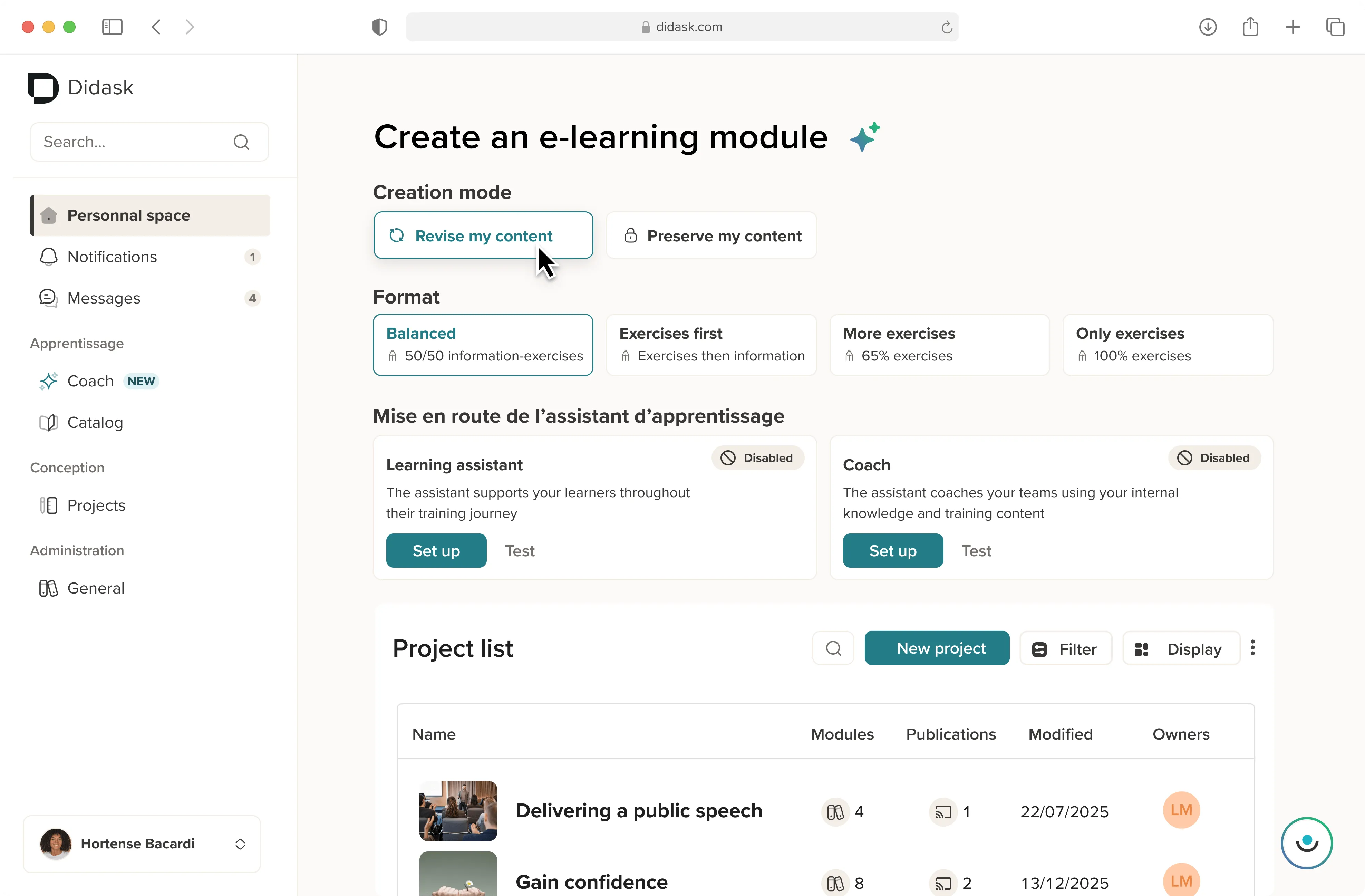
An LMS makes it possible to automate deadline alerts, centralise certificates and produce a status of accreditations consultable at any time. This is also what labour inspectors and auditors consult as a priority.
Training new joiners without mobilising a training organisation every time
In a high-turnover environment, waiting for a training organisation to be available for each new integration creates delays and cumulative costs that are hard to absorb.
Digitalising level 0 offers a scalable alternative. Regulatory awareness can be delivered through e-learning, on demand, from day one. The practical part still requires an accredited trainer in person.
Tip
What can be digitalised: regulatory awareness (level 0), knowledge of the zones and risks, assessment quizzes, refresher reminders. What requires in-person sessions: recognition of ATEX-certified equipment, safety actions in a real situation, practical tests for ISM-ATEX levels 1 and 2 certifications.
Maintaining compliance during a regulatory change
When an ISM-ATEX framework evolves, the company must update its content and ensure that all the profiles concerned are retrained. Without an authoring tool, this operation can take several weeks.
A creation tool integrated into the LMS makes it possible to modify a module once and immediately redeploy it to all the learners concerned, with automatic traceability of the new completions.
Digitalising ATEX training: what is possible and what is not
ATEX training cannot be fully digitalised. Claiming otherwise would be a pedagogical and regulatory mistake.
But a significant part can be, with real gains on the cost and scalability of the programme.
What e-learning can cover effectively
Regulatory awareness (level 0), knowledge of the zones and risks, assessment quizzes and periodic reminders are well suited to the digital format.
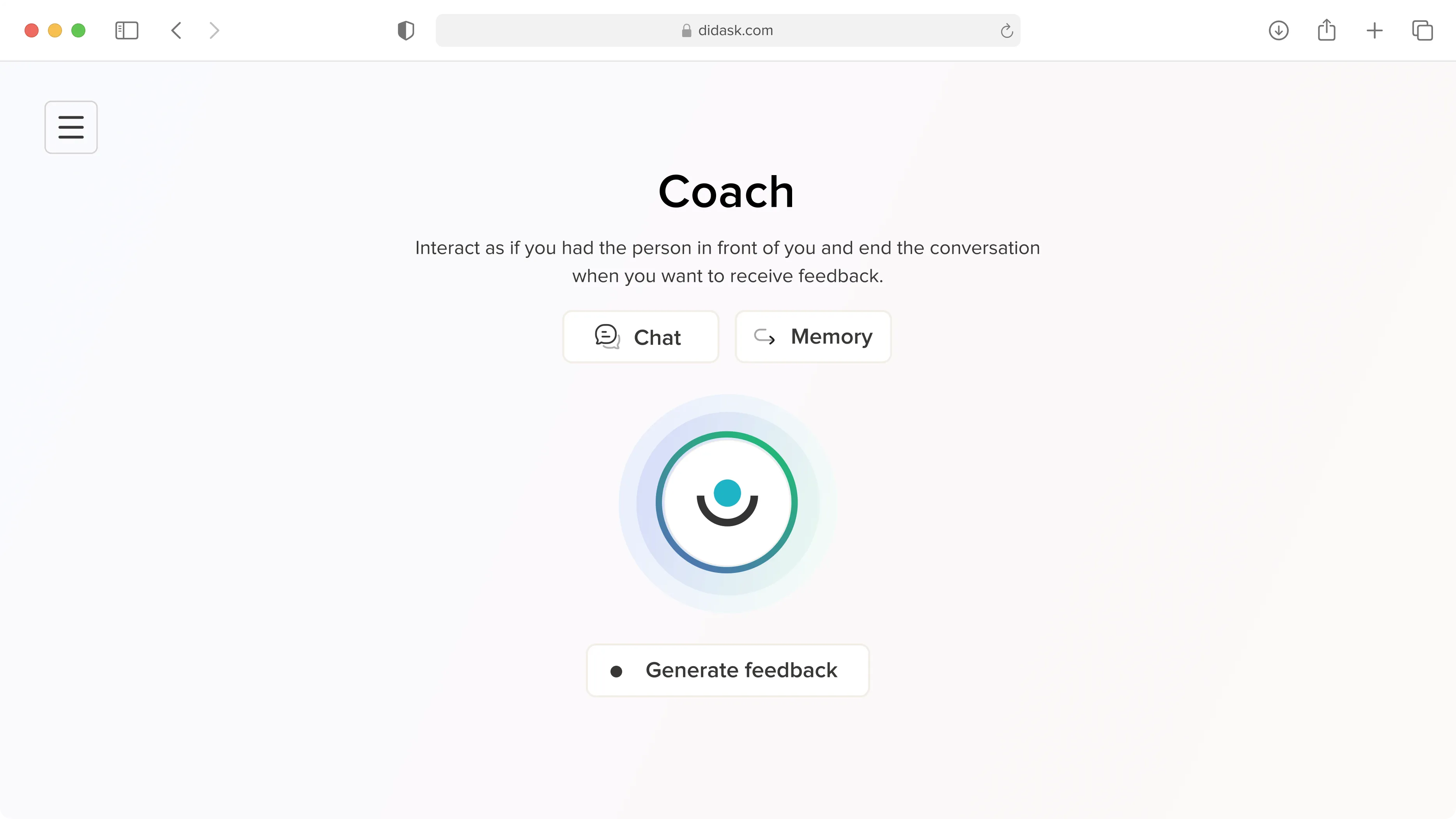
Spacing out revisions significantly reduces forgetting, a principle established by Ebbinghaus as early as 1885. An LMS can automate these reminders and keep knowledge active between two refreshers.
What requires in-person sessions or simulation
The visual recognition of ATEX-certified equipment, safety actions and practical tests on real equipment cannot be substituted by a screen.
A well-designed hybrid programme combines the pedagogical effectiveness of digital with the practical and regulatory demands of in-person sessions.
How to structure an ATEX training programme in a company
Here are the key steps for a training manager seeking to industrialise a durable and compliant ATEX training system.
Mapping the posts and the required levels
The first step consists of cross-referencing the EPD and the job descriptions to identify who must be trained to which level. This step is often skipped.
It generates two symmetrical problems: costly over-training on posts that do not need it, or risky under-training on exposed posts.
Choosing the right format for each level and each profile
An operator on a three-shift rotation does not have the same availability constraints as a sedentary maintenance technician. The format must adapt to the post, not the other way around.
The criteria to weigh: required accreditation level, geographic dispersion of teams, rotation frequency and operational constraints.
Steering the programme over time with the right tools
The indicators to track: rate of up-to-date accreditation per post, rate of compliant refreshers, average integration time of a new employee in an ATEX zone.
An LMS turns this tracking into a usable dashboard, consultable at any time and exportable for audits. This is also what makes it possible to demonstrate compliance without mobilising several days of preparation.
ATEX compliance is not a one-off event. It is a continuous process that requires rigorous steering, suitable tools and the ability to train at scale.
Companies that equip themselves with the right tools reduce their risk exposure, gain peace of mind in the face of audits and free their teams from manual tracking tasks. This is precisely what Didask enables training managers to do: steer their regulatory obligations without making it a job in its own right.
.webp)
.webp)


.webp)


.png)