
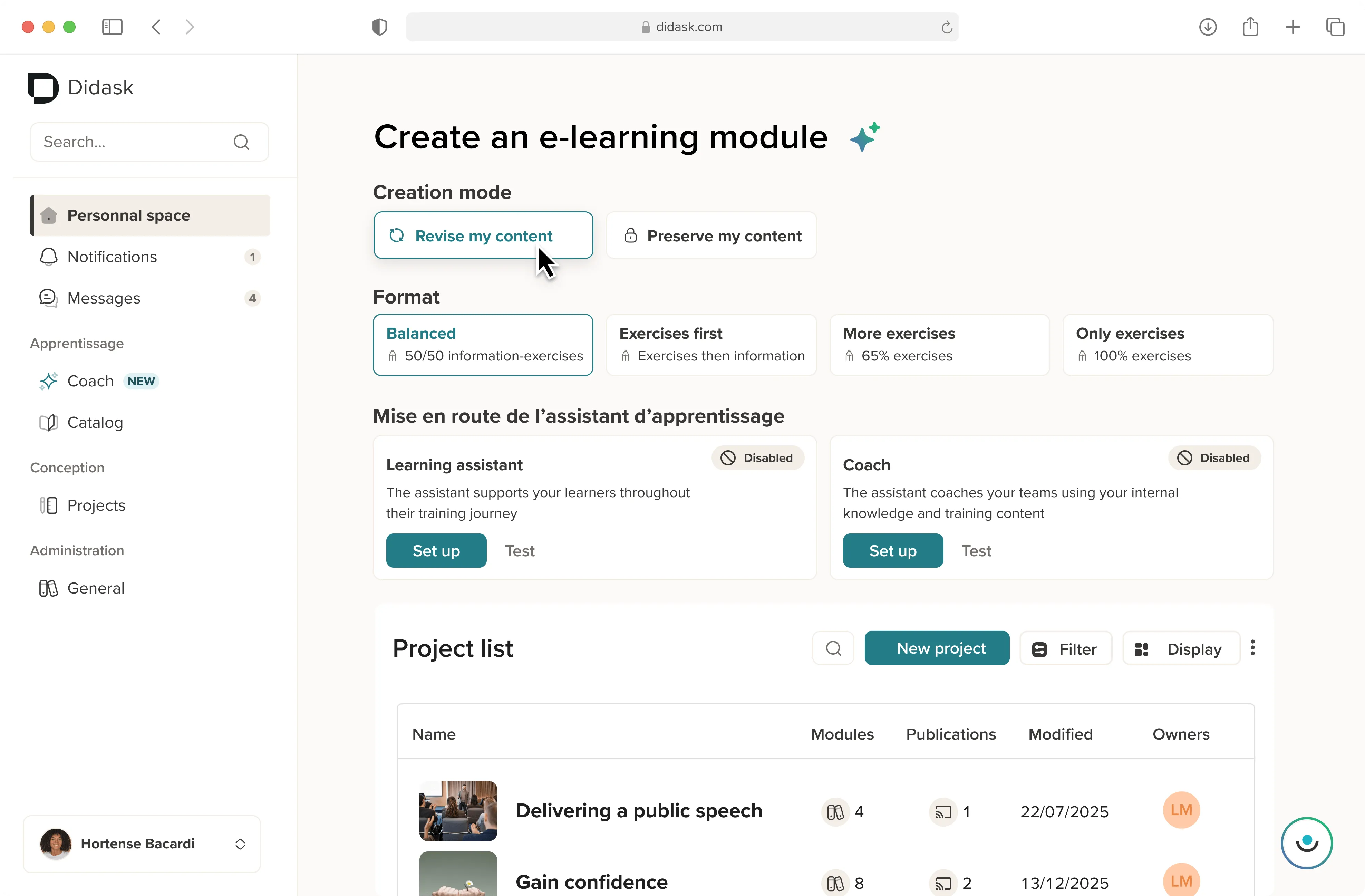
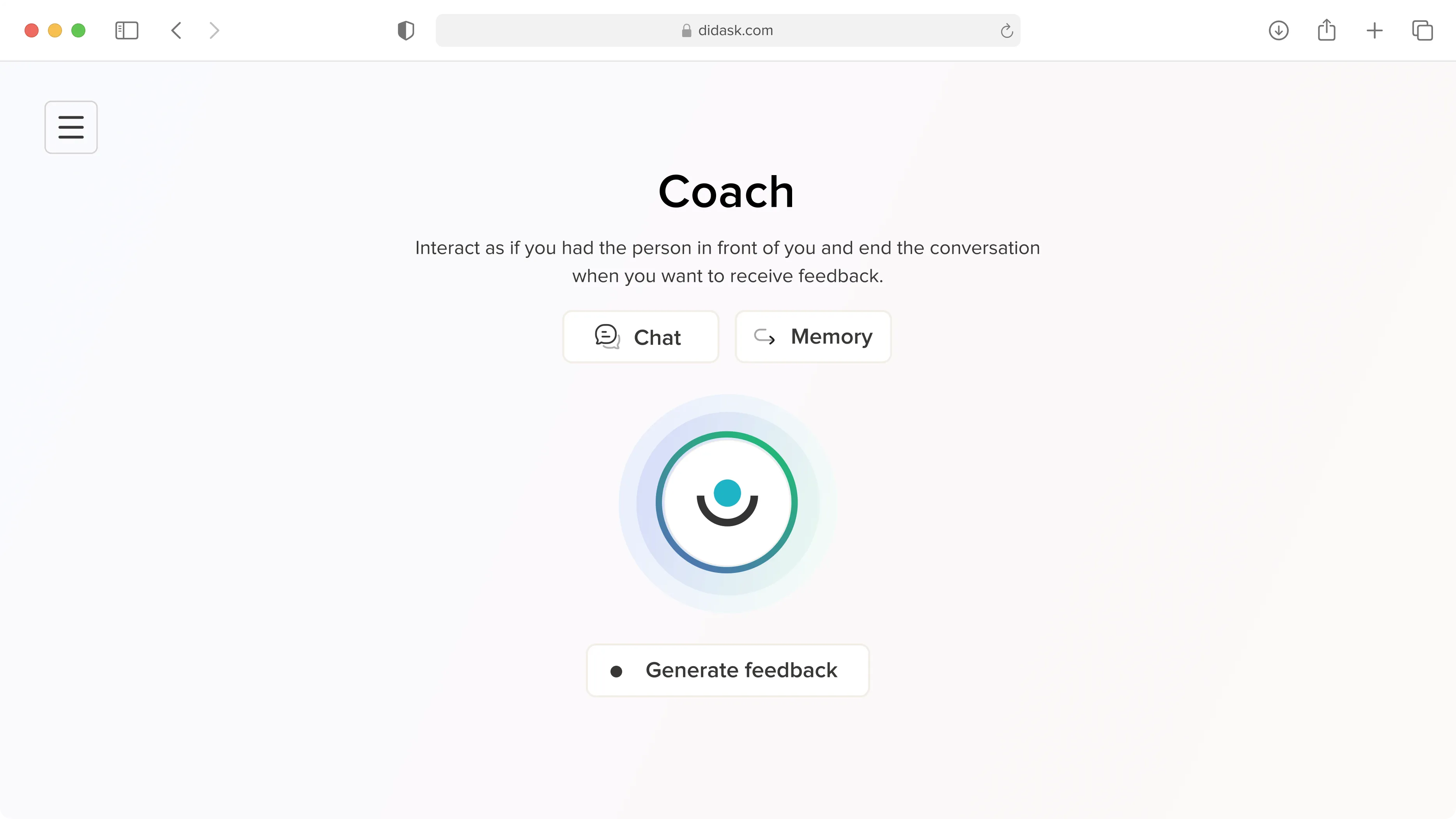


Choosing an LMS commits your budget and your teams' skills development for several years. Yet most companies compare lists of features, when they should be comparing learning outcomes. A tool packed with options can easily teach nothing at all. This complete guide gives you the method, the types of platform, the criteria that truly matter and the budget to plan for. The goal: to decide with confidence, on solid foundations.
Why choosing an LMS is a strategic decision
An LMS centralises your training, automates its management and measures its effect. It frees up administrative time and makes your teams more autonomous. Chosen well, it becomes the foundation of your skills strategy.
Day to day, this learning platform handles the management of training: enrolments, learning paths and resources. It centralises usage data that informs your decisions. The real challenge remains learner engagement, the condition for genuinely useful online training.
A poor choice, on the other hand, is costly, and not only in licence fees. A poorly suited platform leads to low adoption and content that is never completed. The real risk: investing in a tool that no one uses.
So the question is not which LMS has the most features. It is which one truly helps your teams progress. This shift in perspective guides the whole of this guide.
Before comparing platforms, map out your professional training schemes and the types of training your employees expect.
Which type of LMS to choose for your organisation
Training tools are not named differently by chance. Before choosing, identify the building block you genuinely need.
LMS, LXP, authoring tool: don't confuse the building blocks
A Learning Management System (LMS) delivers, manages and tracks your training. An LXP puts the learner at the centre and encourages content discovery. An authoring tool, for its part, is used to create the learning content.
These building blocks complement each other more than they compete. The table below clarifies their respective roles.
Open source or SaaS: the real trade-off
An open source LMS such as Moodle is appealing for its apparent low cost and flexibility. But hosting, maintenance and development draw on internal resources. The total cost is often underestimated.
A SaaS solution charges a subscription, but includes hosting, updates and support. For an SME without a dedicated technical team, it is generally the fastest and most reliable choice.
Also check hosting and security. A well-designed cloud solution guarantees data confidentiality and GDPR compliance. Some platforms offer white labelling, to respect your brand image and visual identity.
Generalist LMS or LMS based on cognitive science
Most LMSs are libraries: they store and deliver content. The real difference lies in their ability to make people remember and apply.
An LMS grounded in cognitive science structures learning around memory retention and practice. This technology aims for pedagogical effectiveness, where others merely deliver. That is what creates the gap between two platforms with identical catalogues.
Your delivery formats matter too. Depending on your audiences, you will combine virtual classrooms, mobile learning and social learning, through blended learning or peer learning. Collaborative learning strengthens engagement within the learner community.
The essential criteria for choosing an LMS
Once the type of platform is clear, assess each solution to check that it can meet your needs. Group the ten points usually cited into five families, from the most strategic to the most operational.
Pedagogy and adaptive learning
This is the decisive criterion, too often pushed behind features. A good LMS knows how to personalise learning paths to each learner's actual level. It provides immediate feedback, as a tutor would.
This logic answers Bloom's 2 sigma problem (Bloom, 1984): a learner tutored individually progresses far more than in a group. Pedagogical artificial intelligence and adaptive learning make this tutoring possible at scale.
.png)
The criterion that changes everything
On the Didask platform, grounded in cognitive science, this personalisation reduces training time by 60 to 75%, with the same learning scope (Didask measurement, 993 learners, March 2025).
User experience
An intuitive user interface drives adoption and learner engagement, for learners and designers alike. If getting started requires training, the tool is already off to a bad start. Also check that the platform stays accessible on mobile and compliant with accessibility standards.
Reporting and analytics
Measure what truly matters, beyond completion rates alone. The best dashboards and detailed reports link training activity to the skills actually acquired. That is what will let you prove impact to your management and improve your learning paths over time.
Content management and certification
Assess the ability to create, organise and update your training modules. SCORM compatibility and support for the virtual classroom broaden your formats. Certifying paths validate achievements through a recognised certification.
Integration, security and compliance
Your LMS must talk to your existing tools: HRIS, CRM, intranet. Open APIs make these exchanges and integration with your information system easier. The security and confidentiality of data hosted in the cloud are non-negotiable.
Compliance, finally, frames your choice. For a training provider, Qualiopi certification remains a prerequisite. A serious vendor documents its security and data protection policies.
How to evaluate an LMS before deciding
With the criteria set, it is time for method. A solid evaluation combines rigorous internal scoping with real-world testing.
Scoping your needs and objectives
Start with a skills audit. A simple matrix will do: list the key skills per role, the required level, then each employee's current level. The gaps reveal your training priorities.
Then translate those priorities into SMART objectives: specific, measurable, achievable, realistic and time-bound. A clear objective guides the entire configuration of your future LMS.
To gather needs, combine sources: questionnaires for teams, interviews with managers, scoping workshops. Synthesise the trends by importance and urgency before deciding.
Testing in real conditions
Do not stop at the sales demonstration, always polished to convince. Ask for a trial or a pilot on a real use case. Have the tool tested by genuine users, not only by the procurement team.
Round this out with external sources: customer reviews, independent comparisons and feedback from the community. Also seek the vendor's advice on cases similar to yours. Weigh it all against your target audience before deciding.
.webp)
The demo trap
Test the platform with your own content and your own learners. It is the only way to judge the real experience, rather than a scenario prepared by the vendor.
Think about business uses too. Effective product training, for example, calls for practice scenarios that not every LMS allows.
What budget to plan for an LMS
The advertised price says very little. Reason instead in terms of total cost of ownership and return on investment.
Pricing models vary: per learner, per licence or as a flat package. SaaS solutions in the cloud generally charge a subscription, monthly or annual. The per-learner rate suits stable headcounts, the flat package suits intensive use.
Beyond the licence, factor in the hidden costs: technical integration, content creation, training the teams and maintenance. These items often weigh as much as the subscription itself.
Finally, set this cost against the expected benefits: time saved, compliance ensured, skills acquired. This return on investment (ROI) calculation makes your decision objective. To fund the project, explore the available training funding schemes for companies.
Succeeding with integration and rollout in your company
The best LMS is worth nothing without adoption. The rollout is prepared as carefully as the choice.
Set a clear schedule: configuration, testing, then launch phases. Appoint owners and plan regular checkpoints. A gradual rollout limits the risks.
Take care of change management. Communicate the benefits early, train the users and appoint internal champions. Buy-in is built before launch, not after.
Content creation often remains the bottleneck. An authoring tool powered by pedagogical AI lets you quickly produce genuinely effective training. You thus turn your subject-matter experts into autonomous designers.
Rely on the vendor's support throughout the implementation. Responsive technical support and a reliable infrastructure secure usage over time. This assistance often makes the difference between two comparable solutions.
Some projects lend themselves to a targeted rollout. Sales force onboarding, for example, benefits from starting with a pilot commercial population before scaling to the whole company.
Scope matters too. Depending on your audiences, weigh up in-house or inter-company training, and consider the paths designed for your customers and partners.
Conclusion
Choosing an LMS is a structuring decision, but not an insurmountable one with a methodical approach. Clarify your needs, tell the platform types apart, assess pedagogical impact before features, then anticipate the real budget and the rollout.
One final principle: favour the tool that makes people learn, not the one that piles up options. That is where the return on investment of your training is decided.
.webp)
.webp)
.webp)


.webp)

.png)