
.webp)

Onboarding of new hires does not start on the first day of work. It starts as soon as the contract is signed and conditions not only the handling of the position, but also the development of skills and the commitment of the new employee. Too often reduced to a simple administrative welcome, it nevertheless constitutes a crucial integration process that has a lasting influence on the performance and retention of employees.
Effective onboarding allows new hires to understand their missions, identify company expectations and gradually integrate into their work environment. It is therefore not just a question of transmitting information, but of organizing the conditions for a rapid and sustainable contribution. The quality of the first weeks plays a decisive role in building a sense of belonging and a relationship of trust.
Studies on organizational culture are formal: employees who develop a strong sense of belonging are significantly more committed and less likely to leave their company (O.C. Tanner Global Culture Report 2025).
The onboarding of new hires therefore represents a strategic lever: it reduces uncertainty, accelerates productivity and reinforces the coherence between employer promise and job reality.
Thinking of onboarding as a structured, measurable and time-controlled system makes it possible to avoid improvised integrations. It is an approach that engages the company as a whole, from the manager to human resources.
It remains to understand how to organize this onboarding, what are the key steps and how to make it a real performance driver. That is the whole point of this article.
These findings raise an essential question: how to design an onboarding system that maximizes impact while reducing design time?
What is onboarding new hires?
The onboarding of new hires refers to all the actions put in place by the company to support the integration of a new employee and organize his assumption of office. It is not a simple welcome, but a structured integration process, designed to facilitate the handling of the position and secure the first weeks.
Recruiting should not be confused with onboarding. Recruiting makes it possible to identify and select the right candidate. Onboarding, on the other hand, begins once the contract is signed and accompanies the new employee in taking up a position. It organizes the transition between the promise made during the interview and the reality of the position, the manager and the work environment.
An effective onboarding process covers several complementary dimensions:
Understanding the role: missions, responsibilities, objectives, performance indicators.
Mastering internal tools and processes: working methods, digital tools, operating rules. It also involves a gradual transfer of knowledge between team members.
Social integration: meeting teams, identifying key stakeholders, understanding collective dynamics.
Appropriation of corporate culture: values, communication methods, managerial practices, implicit expectations.
The aim is not just for the new hire to understand their environment. The objective is also for the employee to feel fully legitimate in his role. He must be able to contribute effectively and quickly develop a relationship of trust with his team and his manager.
.webp)
To note
Structured onboarding is not solely about helping the new employee adapt. It also allows the company to clarify its expectations, align priorities, and secure the probationary period.
Onboarding is a long-term process. It generally includes an initial phase of preboarding (between signature and arrival), a formalized welcome on the first day, then gradual support over several weeks, or even several months. This continuity is essential: a successful integration is based on this coherence between the various stages.
Thinking of onboarding as a system, and not as a succession of isolated actions, makes it possible to avoid differences between discourse and reality. It is also what transforms formal integration into a real driver of performance and loyalty.
Why is successful onboarding new hires essential for the company?
Successful onboarding Of new hires, first of all, it means reducing the time needed for a new employee to become fully operational. A structured process clarifies priorities, makes it easier to use tools, and limits errors associated with a misunderstanding of the position. This acceleration of productivity has a direct impact on collective performance.
But the challenge is not limited to immediate effectiveness. The issue is also strategic for the company.
The first few months are a risky time. A lack of clarity, insufficient social integration, or misaligned expectations can lead to a loss of motivation and rapid disengagement. The O.C. Tanner Global Culture Report 2025 highlights that a sense of belonging plays a decisive role in retaining employees and reducing turnover. However, this belonging is built from the first experiences lived in the company.
.png)
Point clé
Un bon processus d'onboarding augmente la rétention des collaborateurs de 82% (Brandon Hall Group 2022).
Successful onboarding also makes it possible to secure the investment made during recruitment. Recruiting talent requires time, resources and a significant budget. A poorly conducted integration can lead to a premature departure, with a direct financial cost and a negative impact on the team.
Finally, the integration experience influences the employer brand. New hires share their experiences, formally or informally. A company that is able to offer a coherent and engaging onboarding process reinforces its credibility and attractiveness on the market.
Successful onboarding of new hires therefore means simultaneously acting on the productivity, engagement, retention and reputation of the company. It is a strategic lever, not a simple welcoming ritual.
To structure an onboarding that transforms rather than informs, the pedagogical approach makes all the difference.
Key steps for successful onboarding of new hires
Successful onboarding of new hires requires a clear organization over time. It is not a one-off action, but a structured process, designed as a gradual process of integration and skills development.
Five key steps can be distinguished.
1. Preboarding: preparing for arrival
Onboarding starts before the first day.
Preboarding corresponds to the period between the hiring of the newcomer and his actual arrival on the first day. This phase, which is too often forgotten, makes it possible to maintain commitment and motivation, to transmit the first useful information and to prepare the material and organizational conditions for integration. It is all the more important when integration takes place remotely.
Concretely, this involves:
- preparing the workstation and accesses,
- sending a schedule for the first weeks,
- the clarification of the first objectives,
- regular communication with the future collaborator.
A well-structured preboarding reduces anxiety related to arrival and promotes a more fluid start to work.
2. The first day: structuring the reception
The first day, which is often stressful for the new recruit as well as for the current team, should not be left to improvisation. An organized welcome provides clear guidelines: presentation of the team, explanation of the role, reminder of priorities, planning of the first tasks. The aim is to create a coherent and reassuring framework.
The objective is not to saturate the new recruit with information (the risk of cognitive overload is real) but to offer them a clear vision of their work environment.
To note
A structured first day strongly influences the new hire's initial perception of the company and the overall quality of the employee experience.
3. The first weeks: support in getting started with the job
This is where onboarding makes perfect sense. The first weeks should allow for a gradual increase in skills. This assumes:
- intermediate goals,
- regular meetings with the manager,
- easier access to resources and tools, especially training,
- constructive feedback.
This phase secures the handling of the position and makes it possible to adjust expectations on both sides.
4. Social and cultural integration
Beyond the missions, the success of onboarding is based on integration into the collective. Identify key team members, understand decision-making methods, decode managerial practices: these elements help create a sense of belonging, strengthen motivation and align with corporate culture.
Successful social integration promotes cooperation and limits the isolation of new recruits. It strengthens the bond between the new employee and his team.
5. Monitoring and evaluation over time
Onboarding doesn't end with the first month. Stage points lasting 30, 60 or 90 days make it possible to assess the understanding of the position, the progression of skills and the adequacy between expectations and reality. This formalized follow-up reinforces the relationship of trust and offers an essential space for adjustment. Each integrated person must have an identified contact point.
Successful onboarding of new recruits is therefore based on a logic of continuity: preparation, reception, support, integration and follow-up. It is this coherence over time that transforms an administrative arrival into a real structured and efficient integration process.
Tools and best practices to effectively structure the onboarding of new hires
Defining the key steps is not enough. It is still necessary to have the right tools and a clear method to manage the onboarding of new hires over time.
Each onboarding must be thought of as a real structured project. A structured process is generally based on three complementary levers: forecasting, formalization and follow-up.
1. Formalize the integration process
Effective onboarding is not only based on the goodwill of managers or HR teams. Simple advice: formalize everyone's responsibilities from the start.
This can take the form of:
- a framework document describing the steps and responsibilities,
- a detailed schedule for the first weeks,
- a checklist shared between the manager and the collaborator,
- a clear frame of reference of expected skills.
This formalization guarantees the coherence of the course, even in the event of internal mobility or rapid growth of the company. The advantage of such a device is to secure each stage without depending solely on individuals.
To note
An informal onboarding relies heavily on individuals. A structured onboarding guarantees a consistent experience for every new hire.
2. Equipping you with the tools to increase your skills
Getting started with the job requires simple access to relevant resources: documentation, procedures, training modules, feedback. Each new employee must be able to access these resources as soon as they arrive.
This is where digital learning solutions, like LMS, can play a key role. They make it possible to transform internal expertise into structured educational courses, adapted to the real needs of the position and accessible at the right time.
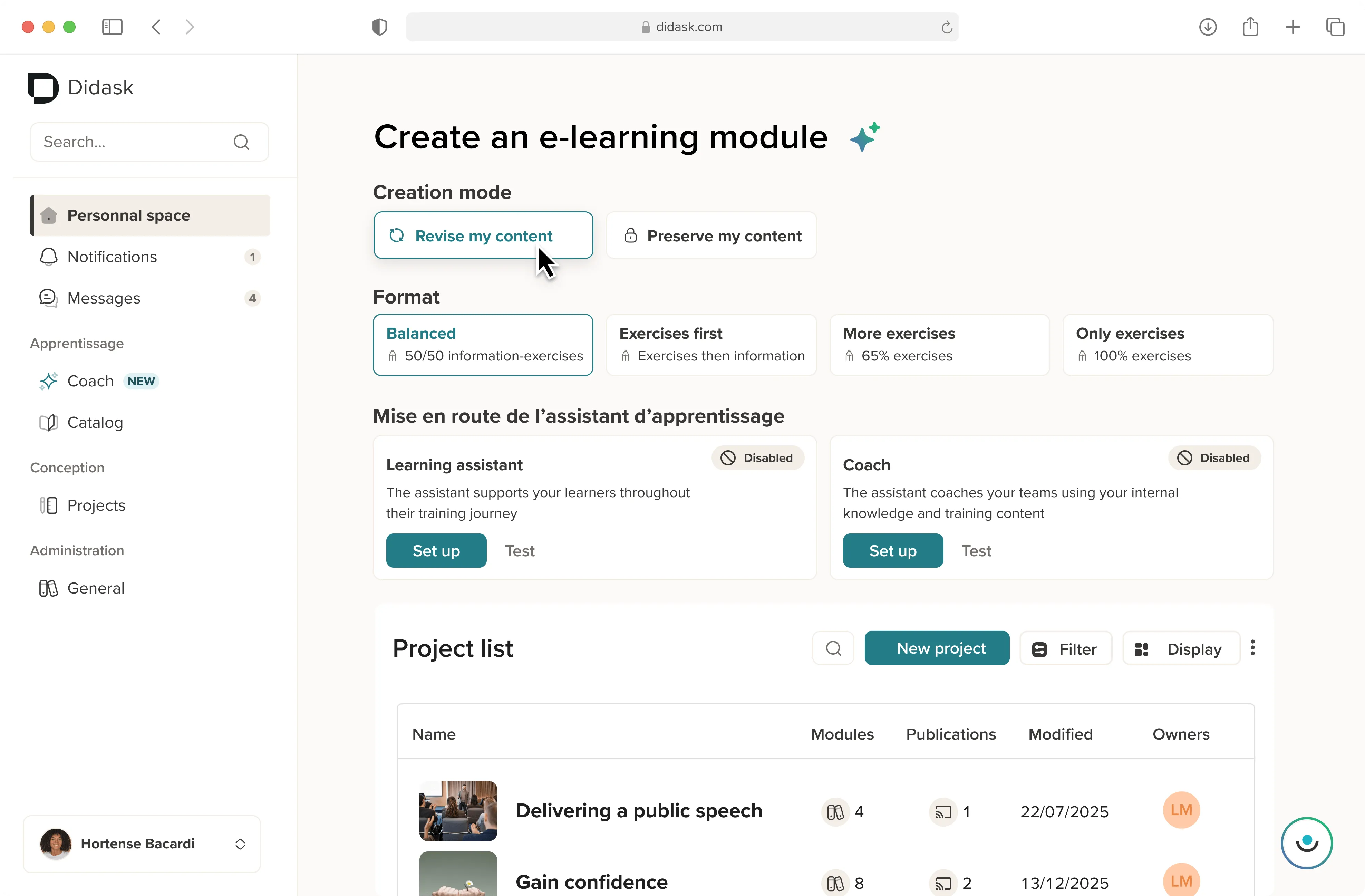
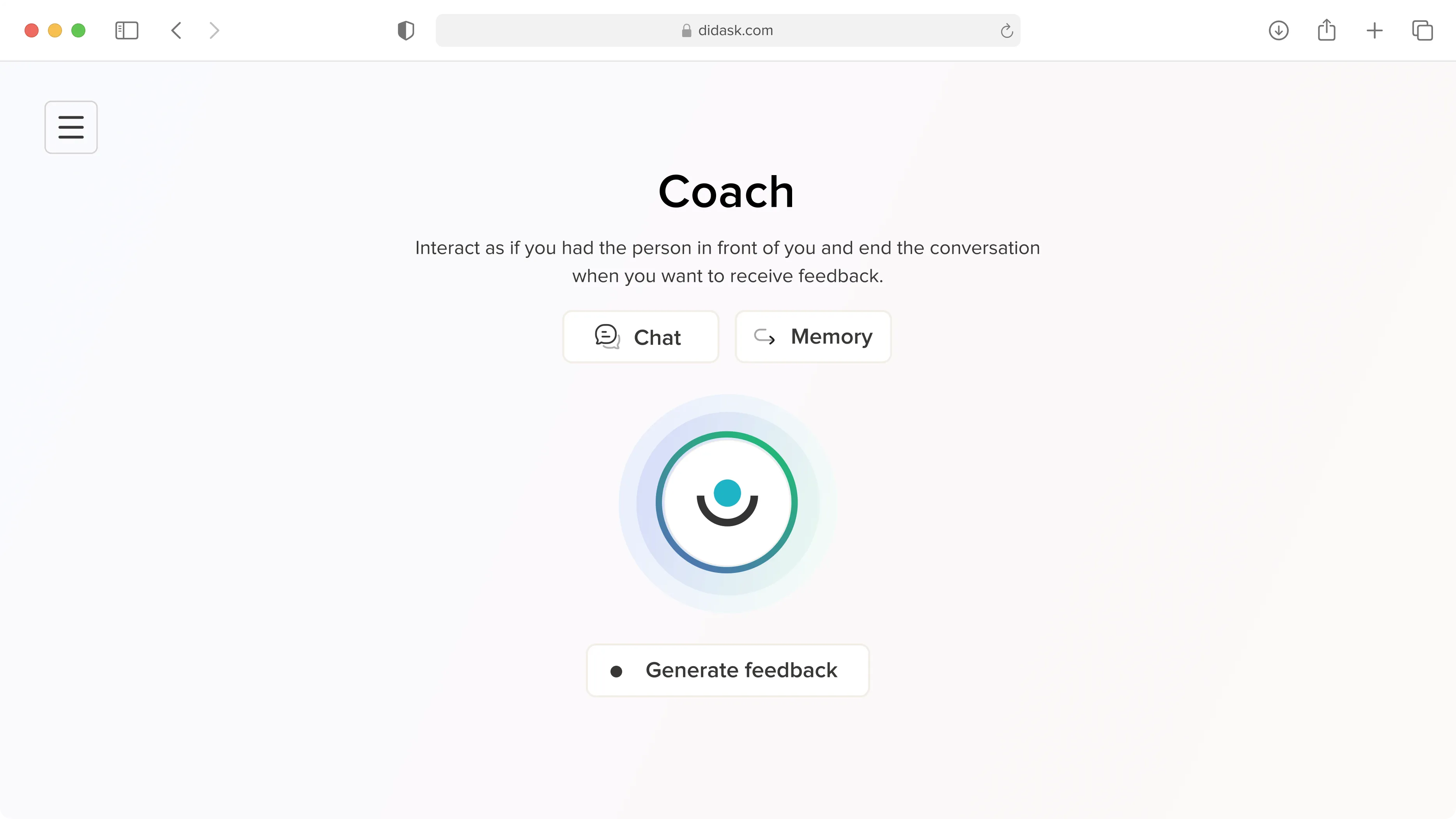
The challenge is not simply to disseminate information, but to actually transform skills. This is where educational AI makes a difference. A platform like Didask makes it possible to create in a few minutes adaptive onboarding paths, automatically structured according to the principles of cognitive science. The AI assistant accompanies each new recruit in a personalized way, adjusting to their level and learning pace. The objective is not to add a tool, but to effectively facilitate the development of real skills for new recruits.
3. Manage and measure the effectiveness of onboarding
A truly successful onboarding of new recruits is being piloted. Several indicators can be monitored :
- the time required to achieve autonomy on the job,
- the validation rate for the trial period,
- the level of commitment measured during the first few months,
- qualitative feedback from employees and managers.
This data makes it possible to identify points of friction. They also facilitate skills management, the forecasting of future needs and the continuous optimization of the integration process.
A follow-up report can be drawn up at regular intervals to assess progress. A robust LMS platform can simplify this measurement by automating much of the monitoring.
Key point
Measuring onboarding is not just about checking satisfaction. It is about evaluating real skill development and its impact on performance.
Structuring the onboarding of new recruits effectively means combining method, tools and management. This triptych transforms a welcome program into a real reliable and strategic system for integrating and developing skills.
Conclusion
The onboarding of new recruits is neither an administrative formality nor a simple welcome step. It is a structured process that conditions the management of the position, the development of skills and long-term commitment.
Successful onboarding companies leave nothing to chance: they prepare for arrival, support the first weeks, structure learning and manage integration over time. They understand that the first lived experiences permanently shape the relationship between the employee and the organization.
On the other hand, improvised onboarding creates vagueness, slows down productivity and weakens the investment made during recruitment.
Structuring the onboarding of new hires is therefore making a strategic choice. The one to align employer promise and reality on the ground. That of transforming an arrival into a real driver of performance and loyalty. It is also a way of creating the conditions for sustainable collective success.
In a context where attracting and retaining talent has become a major challenge, this choice is now strategic.
.webp)
.webp)
.webp)
.webp)



.webp)

.png)