


In a world where work is constantly evolving, companies and training organizations are looking for solutions that are flexible, effective and adapted to contemporary challenges. It is in this context that digital learning is an essential response to develop skills in an innovative, scalable and personalized way.
But what exactly do we mean by digital learning? How is it different from traditional e-Learning? What educational formats does it include? And how do platforms like Didask, specialized in learning management system (LMS), are they part of this dynamic?
What do we talk about when we talk about digital learning?
Digital learning, or digital learning, refers to all training systems integrating digital technologies. It is not limited to online courses. It also includes the creation of hybrid paths, gamification, distance learning, face-to-face learning enhanced by digital tools or even short formats such as the microlearning.
Contrary to a techno-centric vision, digital learning does not replace the trainer : it complements it, by enriching the learner experience and by promoting the various teaching methods.
E-Learning vs digital learning: what's the difference?
The term”E-learning“generally refers to training courses accessible at a distance via the Internet, often in the form of self-supporting modules.
The Digital learning, on the other hand, is broader: it combines different teaching methods, digital tools and formats, whether face-to-face, remotely, in asynchronous or in real time.
Digital learning also favors more learner-centered approaches, on the personalization of courses and the mobilization of concrete skills, with solutions such asAdaptive learning or smart LMS platforms.
Why is digital learning appealing to businesses?
1. Flexibility and accessibility
Digital learning makes training disponible anytime, anywhere, on any device connected to the Internet. It facilitates Autonomy of learners and adapts to the constraints of time, location and schedule.
2. Cost optimization
By reducing the logistical needs of the face-to-face (travel, accommodation, mobilization of trainers), digital learning allows optimized budget management training projects.
3. Adaptability of courses
Thanks to devices such as microlearning, Mobile learning or adaptive learning, it is possible to offer short, targeted blocks, adapted at the level of each learner.
4. Impact measurement
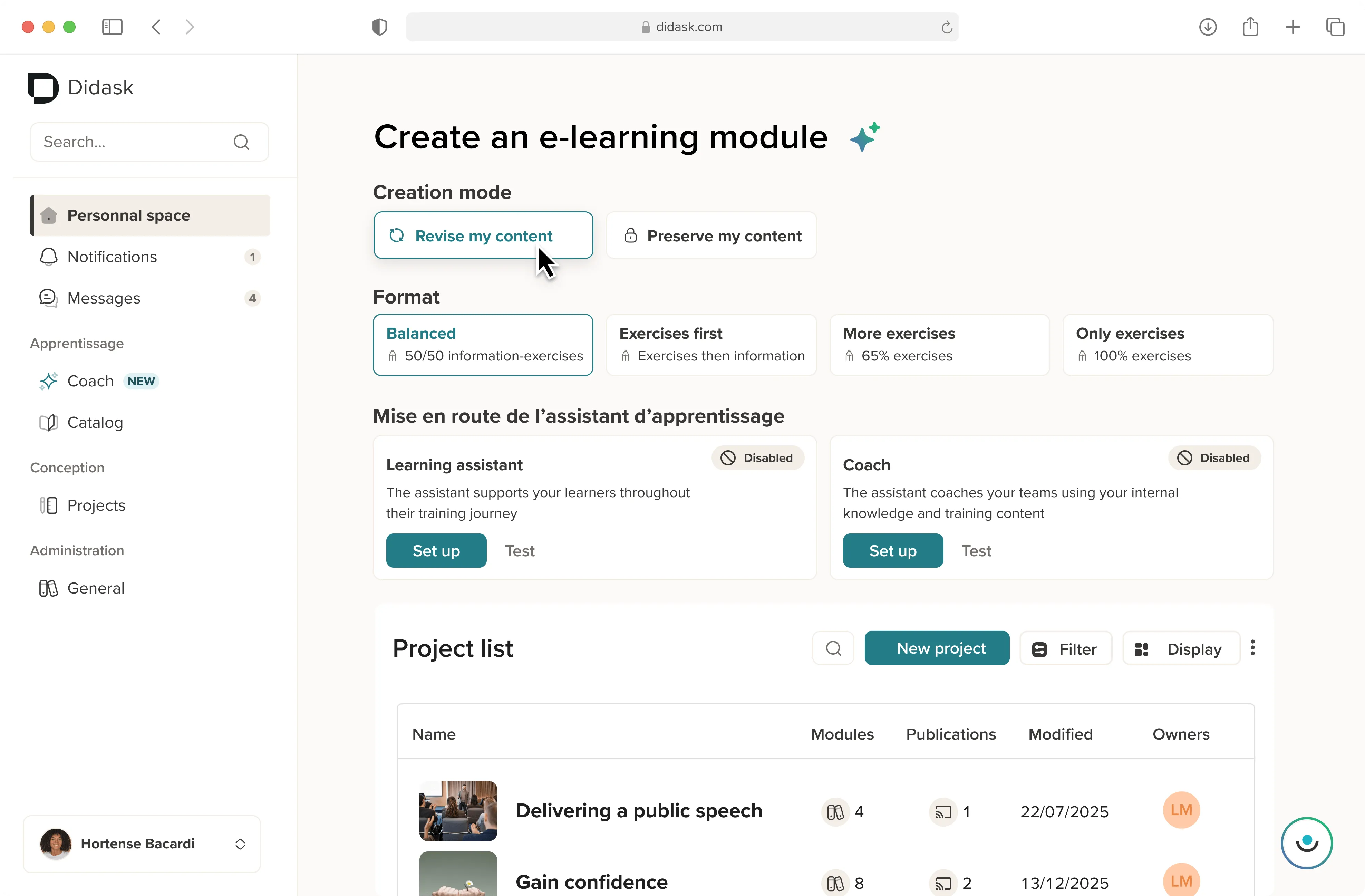
With a platform like Didask, businesses gain access to the monitoring of accurate learning data : time spent, success in quizzes, progress made, allowing continuous improvement of training courses.
The limits of digital learning
Despite its many advantages, digital learning also has challenges:
- Risk of isolation for the learner if the device is not well supported
- Need for digital acculturation for certain audiences
- The need for educational support, both for trainers and learners
- Quality of content: not all modules are the same. A good system requires real pedagogical and technological expertise
This is where solutions like Didask, equipped with a smart authoring tool and educational AI, make it possible to guarantee the quality and consistency of the content created.
What does digital learning training look like?
Digital training can take many forms, from 100% distance courses to a mixed course, combining face-to-face and digital units. It may include:
- Self-formative e-Learning modules
- Virtual classrooms by videoconference
- Asynchronous sessions available on demand
- Digital educational resources: videos, quizzes, infographics, podcasts...
- Collaborative tools: forums, chats, shared spaces
The strength of digital learning lies in the diversity of formats, which makes it possible to adapt to educational objectives, organizational constraints and learners' preferences.
Focus on the main methods of digital learning
The MOOC (Massive Open Online Course)
Free or paid online courses, open to a wide audience. The MOOC These are courses adapted to raising awareness or increasing initial skills.
The SPOC (Small Private Online Course)
Smaller format, targeted at a closed group. The SPOC allows better educational follow-up, often used in business.
Microlearning
Of very short content (2 to 5 minutes), focused on a specific skill. Ideal for training on working time or on a mobile phone.
Mobile learning
Learning via smartphone or tablet. Allows on-the-go training, in the dead hours of the working day.
The Serious Game
Educational games designed to transmit skills in a fun and immersive way.
Adaptive Learning
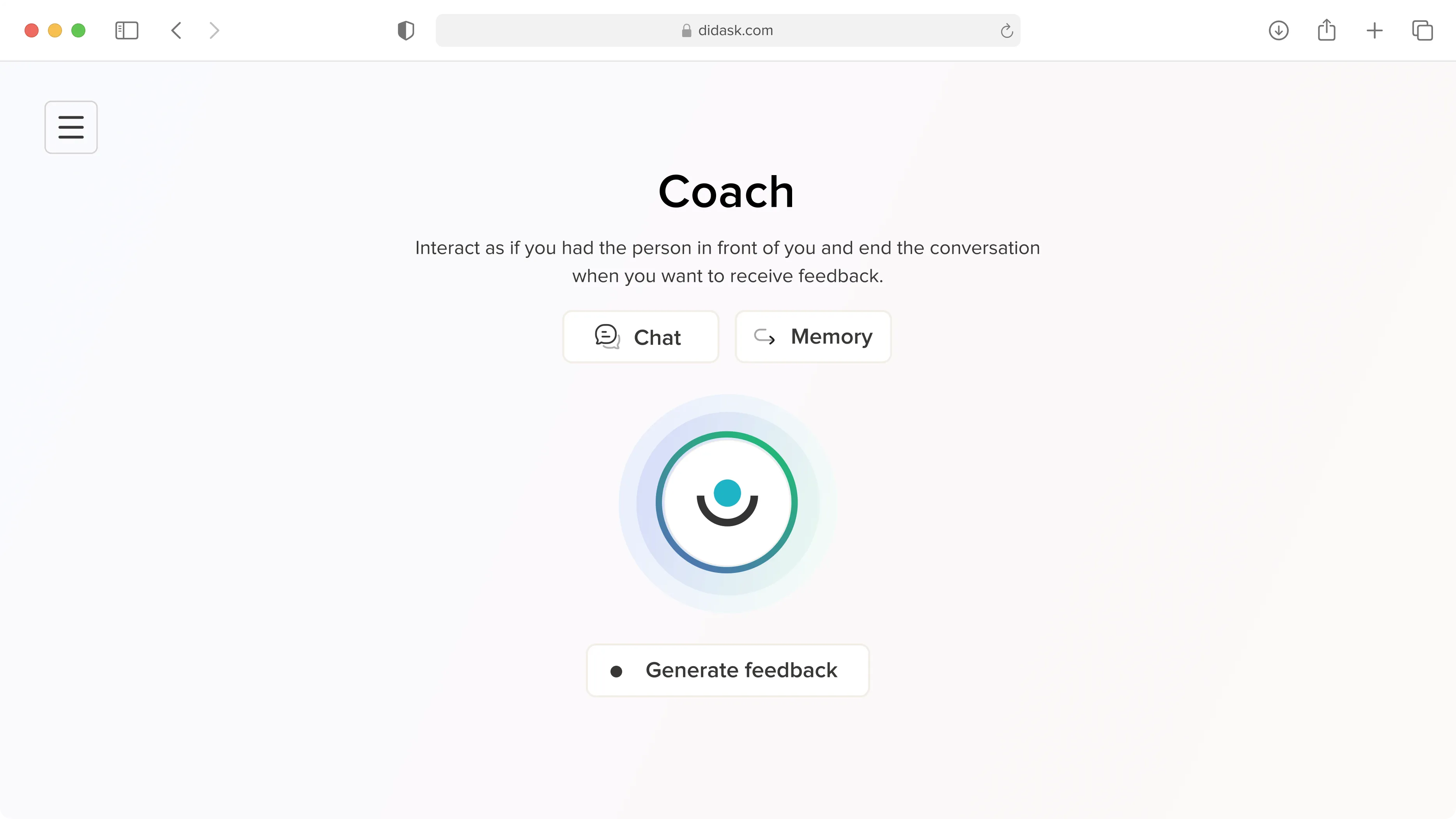
Thanks to AI, the learner's journey adapts in real time to his level, his answers and his objectives. A format that the Didask platform uses through its intelligent functionalities.
The development of digital learning in business
Driven by digital transformation, digital learning is experiencing continuous growth in the world of vocational training. Businesses see this as an opportunity to:
- Training on a large scale and at a lower cost
- Respond to skills needs quickly
- Supporting the transformation of professions
- Offer a better learning experience
Of training platforms like Didask support this evolution by offering a solution LMS comprehensive, designed to meet the needs of companies and training organizations: content management, progress monitoring, educational adaptability, course creation, certification, etc.
Digital learning is not just about online training. It is a global pedagogical approach, at the service of skills development, which mobilizes digital technologies, varied formats and a demanding pedagogical design.
For the societies and training organizations, it is a strategic lever for modernising learning, making it more effective, more engaging and better adapted to the realities on the ground.
With Didask, it becomes possible to design quality digital training courses, to monitor learners' progress and to sustainably anchor knowledge thanks to a pedagogical approach based on cognitive science and AI. Digital learning is not an option: it is the future of training.
.webp)
.webp)
.webp)




.png)