


One employee out of five leaves their company within the first 45 days. The cost? Between 50 and 200% of the annual salary depending on the position. However, a structured integration plan reduces the risk of early departure by 82%.
This guide gives you the 7 key steps to successful onboarding, enriched by the contributions of cognitive science. Objective: to transform each new recruit into a committed and operational collaborator.
What is an integration plan and why is it strategic?
An integration plan refers to all the actions organized to welcome, train and support a new employee.
Onboarding usually covers the first few weeks. Integration extends over 3 to 12 months depending on the complexity of the position. This distinction is essential for setting realistic goals.
The numbers speak for themselves: businesses with a structured integration process improve retention by 82% and productivity by 70%. Conversely, 20% of departures occur within the first 45 days.
Cognitive integration: the missing link
Cognitive science reveal that a learner supported in a personalized manner surpasses 98% of learners in traditional training. This is the “2 Sigma problem” identified by Benjamin Bloom.
An effective integration plan must therefore respect the brain's learning abilities. This involves dosing information, spacing out learning, and providing regular feedback.
.png)
Good to know
1. A structured process that spans from contract signing to full autonomy.
2. A strategic investment with measurable ROI on retention and productivity.
3. A cognitive approach that respects how the human brain learns.
The 7 key steps of a successful integration plan
Step 1 — Prepare for arrival before D-Day (pre-boarding)
Integration starts as soon as the contract is signed. This phase of pre-boarding reduces the anxiety of the future collaborator and demonstrates the professionalism of the company.
Prepare the workstation: computer configured, access to software, badge, telephone if necessary. Nothing is worse than a first day waiting for IT to unlock access.
Send a personalized welcome email with the program for the first day. Share the welcome booklet in advance so that the employee can discover the corporate culture calmly.
Appoint a tutor or mentor who will be the preferred point of contact. Inform the team of the arrival to prepare for a warm welcome.
Step 2 — Succeed on the first day: welcome and immersion
The first day anchors the first impression. It conditions the future commitment of the employee. Take care of every detail.
The manager welcomes the newcomer personally. A visit to the locals allows you to find your way around and put faces to the names. Onboarding can also be done remotely.
Organize a presentation of the team, ideally around a friendly moment. The integration lunch facilitates the first informal exchanges.
End the day with a point with the manager. The objective: to answer the first questions and to reassure you about the rest of the journey.
Step 3 — Structuring the first week: training and culture
The first week is laying the foundations. It combines essential training, discovery of culture and clarification of expectations.
Plan priority training courses: internal tools, business processes, safety rules. Avoid overload: the brain only remembers 20% of a day of intensive training.
Outline the values and vision of the company. An employee who is aligned with the culture engages more sustainably.
Clarify job expectations and short-term goals. Vagueness generates anxiety and slows down initiative taking.
Good to know
Optimal cognitive load principle: the brain can only process a limited amount of new information at once. Prioritize progressive, spaced learning rather than an avalanche of information on the first day.
Step 4 — Support the first month: skills development
The first month corresponds to the active learning phase. The collaborator discovers his scope and starts to contribute.
Apply the 30-60-90 day method. The first 30 days are aimed at observation, understanding the processes and the first supervised tasks.
Establish regular meetings with the manager: weekly at least. These exchanges make it possible to adjust the course and remove the blockages quickly.
Entrust progressive operational missions. Learning by doing consolidates knowledge much better than theory alone.
Step 5 — Consolidate 1 to 3 months: autonomy and feedback
Between the first and the third month, the employee gains autonomy. Responsibilities are gradually increasing.
Switch to bi-monthly interviews. Systematically gather feedback from employees: their fresh perspective often identifies areas for improvement.
Cognitive science shows that accurate and targeted feedback promotes active engagement. It also consolidates knowledge in long-term memory.
Avoid vague “that's good” feedback. Prefer: “Your presentation was clear about the objectives, you could go deeper into the budget part.”
Step 6 — Finalize 3 to 6 months: validation and social integration
This phase often coincides with the end of the trial period. It is time to assess the achievement of the objectives set.
Measure the gap between current skills and expected levels. Identify additional training needs.
Social integration is as important as functional integration. Promote participation in team events and collective activities.
An employee who is socially isolated is more likely to leave, even if they are technically proficient in their position.
Step 7 — Sustain beyond 6 months: anchoring and development
The integration does not end with the validation of the trial period. It is being transformed into a continuous development journey.
Plan additional training to broaden skills. Identify growth opportunities that are motivating over the long term.
Cognitive science shows that learning must be reactivated regularly in order to be remembered permanently. Integrate mechanisms for ongoing review and implementation.
An interview at 6 months and then at 12 months formally concludes the integration process and opens the discussion on the future.
30-60-90 day method: the reference model
The 30-60-90 day method is a onboarding model among many others. It structures the integration plan into three distinct phases. Each has specific and measurable goals.
This model is adapted according to the level of seniority. A junior profile requires more sustained support during the learning phase. A senior profile accelerates towards contribution and performance.
Good to know
For executive positions or highly technical roles, extend the model to 30-60-90-180 days. The complexity of the scope justifies a longer integration period.
The essential tools to digitize your integration plan
Digitizing the integration plan makes it possible to personalize the experience while industrializing the process. Three categories of tools stand out.
HRIS (HR Information Systems) centralize administrative data. They automate repetitive tasks: generating contracts, creating accesses, monitoring documents.
LMS platforms (Learning Management System) structure training courses. They allow you to create onboarding modules that are accessible at any time.
Collaborative tools (Slack, Teams, Notion) facilitate communication and documentation sharing. They speed up access to information.
Educational AI: the revolution in personalized onboarding
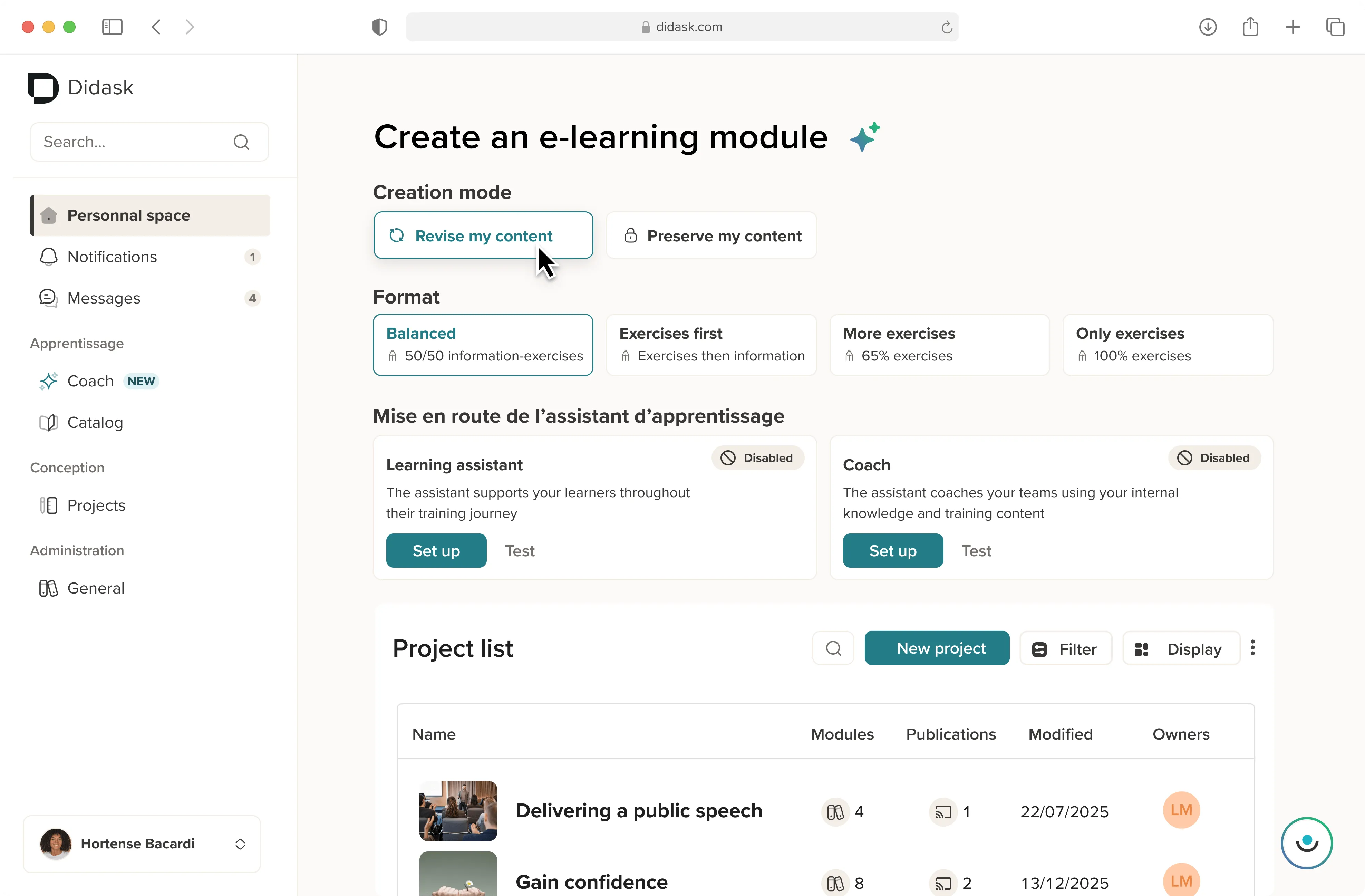
Educational artificial intelligence is radically transforming integration. Finally, it makes it possible to offer personalized support on a large scale.
Didask assesses the needs of each employee. The platform adapts the course according to the level and the progression.
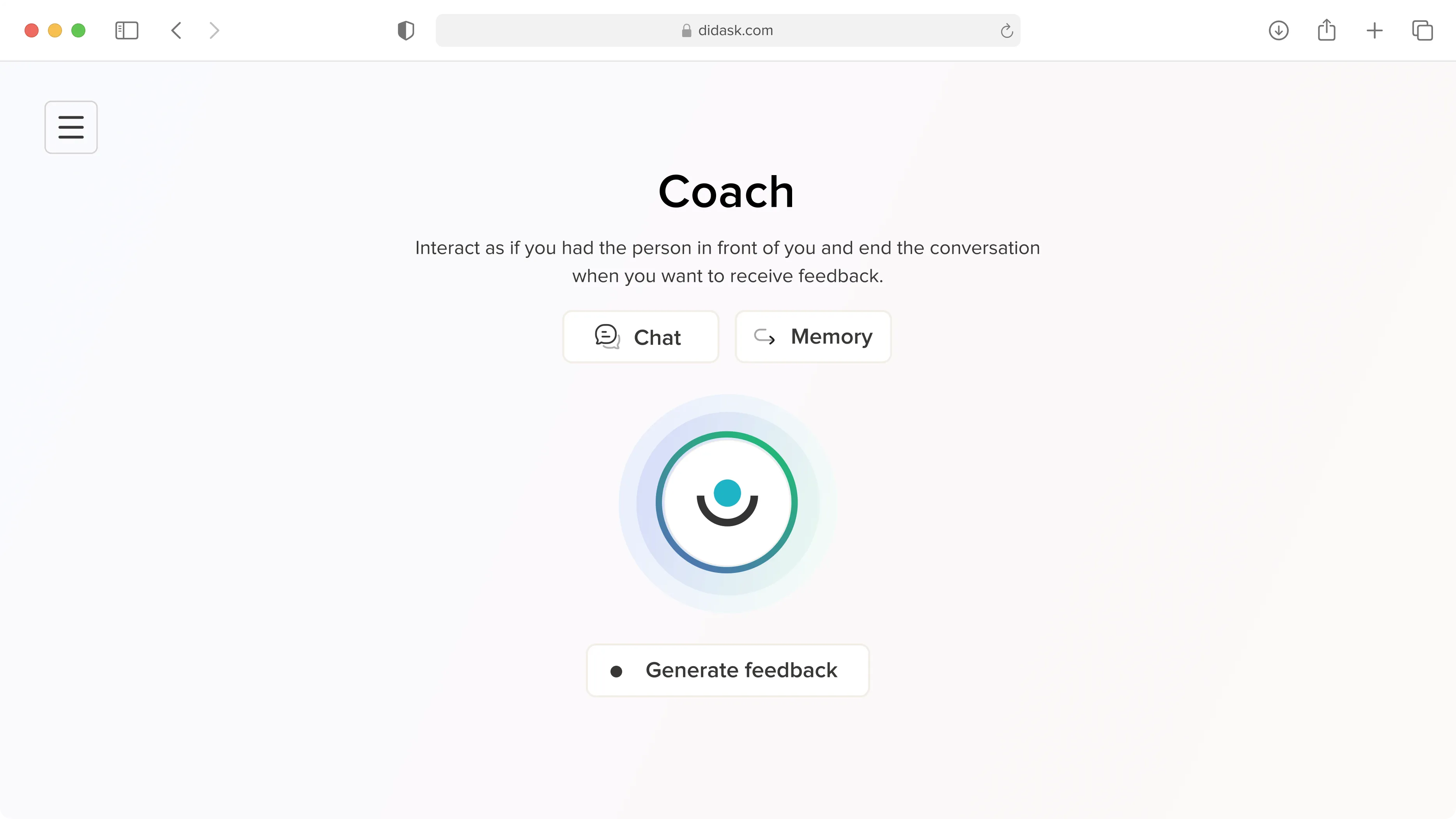
The personalized feedback, formerly reserved for expensive one-on-one mentoring, is becoming accessible to everyone. The AI analyzes the responses and provides accurate and actionable feedback.
Situations concrete anchor learning in the reality of the job. The employee trains on cases close to his future daily life.
Good to know
3 criteria for choosing your onboarding platform:
1. Personalization – Does the platform adapt the learning path to the learner's profile?
2. Intelligent feedback – Does it provide precise, contextualized feedback?
3. Ease of creation – Can subject matter experts create content without technical skills?
The fatal mistakes that are sabotaging your integration plans
Some recurring mistakes condemn integration plans to failure. Identifying them makes it possible to avoid them.
Neglecting pre-boarding. An employee left without news between signing and arriving doubts his choice. The commitment falls even before the first day.
Overload the first day. Bombarding with information saturates working memory. The brain remembers almost nothing. The result: stress and feelings of incompetence.
Forget the follow-up. Without regular points, problems build up silently. The employee gradually disengages without anyone noticing.
Suggest a generic course. Each position, each profile has different needs. A salesperson and a developer do not follow the same onboarding.
Neglecting feedback. Without feedback on their work, employees stagnate. They lose motivation and bearings.
Stop abruptly after the trial period. The integration does not end in 3 months. The lack of follow-up creates a feeling of abandonment.
Good to know
Common mistakes → Solutions
Neglected pre-boarding → Welcome email + Day 1 schedule sent upon signing
Day 1 overload → Spread information across the first week
No follow-up → Weekly check-ins with the manager
Generic path → Adapt content to the role and profile
No feedback → Precise and regular feedback on work
Abrupt ending → Reviews at 6 and 12 months to ensure smooth transition
How can you measure the effectiveness of your integration plan?
What can't be measured doesn't improve. Several metrics allow you to assess the performance of your onboarding.
Collect this data at key moments: end of the first month, end of the trial period, at 6 months, and at 12 months. Comparing over time reveals trends.
Ready-to-use integration plan template
This template structures your integration plan by phase. Adapt it to your context and your internal processes.
A successful integration plan is based on three pillars: a clear 7-step structure, personalization according to profile and position, and respect for the brain's learning mechanisms.
Onboarding is not an administrative formality. It is a strategic investment whose ROI is measured in retention, engagement and productivity.
Educational AI is ushering in a new era. Finally, it makes it possible to offer each employee the personalized support that until now made the difference between success and failure of integration.
.webp)
.webp)
.webp)




.png)