


In an increasingly digitized world, companies seek to offer high-quality training while optimizing their costs and flexibility. Open source LMS (Learning Management System) solutions are proving to be a strategic choice to meet these needs. In 2025, the selection of an open source LMS allows not only to benefit from advanced functionalities without exorbitant license fees, but also to customize and adapt the tool according to the specific needs of each organization.
This article takes you through the best Open source LMS for businesses and presents you with the essential points to consider in your choice. We will also show you how the Didask LMS platform, with its innovative approach and educational expertise, can transform your training strategy.
What is an open source LMS?
An open source LMS is a digital learning platform whose source code is accessible and editable by everyone.
These LMSs allow businesses to customize the platform according to their specific needs, without licensing fees. This means that users can adapt the interface, add features, or even integrate other software to create a learning ecosystem that exactly matches the goals of vocational training of the organization. This flexibility makes this option a preferred choice for companies that want to maintain total control over their learning environment, while optimizing costs.
However, it is important to note that the use of an open source LMS often requires technical expertise for its installation, maintenance and security, making it an ideal choice for organizations with internal technical teams or specialized partners such as Didask, which is an LMS platform.
Open source LMS vs proprietary LMS
Proprietary LMSs are often designed to be “turnkey,” with pre-configured features and comprehensive technical support. This makes them easier to set up for a business without a dedicated technical team. In contrast, proprietary LMSs can be more expensive due to licensing fees and often limit customization because users can't change the code.
So companies need to assess their priorities: while freedom to customize, pricing, and scalability are paramount, an open source LMS may be the best option. On the other hand, if simplicity of deployment and support are priority criteria, a proprietary LMS will probably be more suitable.
Why choose an open source LMS in 2025?
Open source LMS platforms are growing in popularity for a number of reasons. They are accessible, adaptable, and generally less expensive than their proprietary counterparts. However, choosing an LMS requires looking at other factors besides the cost. For a company seeking to offer quality training while customizing courses, these options allow you to fully take ownership of the LMS without restrictions.
Thanks to these LMSs, it is possible to create tailor-made courses, strengthen learner engagement, and effectively monitor learners' progress. A good LMS thus makes it possible to remain competitive in a market that is increasingly focused on the continuous increase in skills.
Key criteria for choosing an open source LMS
Before starting to compare these LMS available in 2025, it is important to know the advantages of an LMS and to define the selection criteria that will allow you to evaluate them.
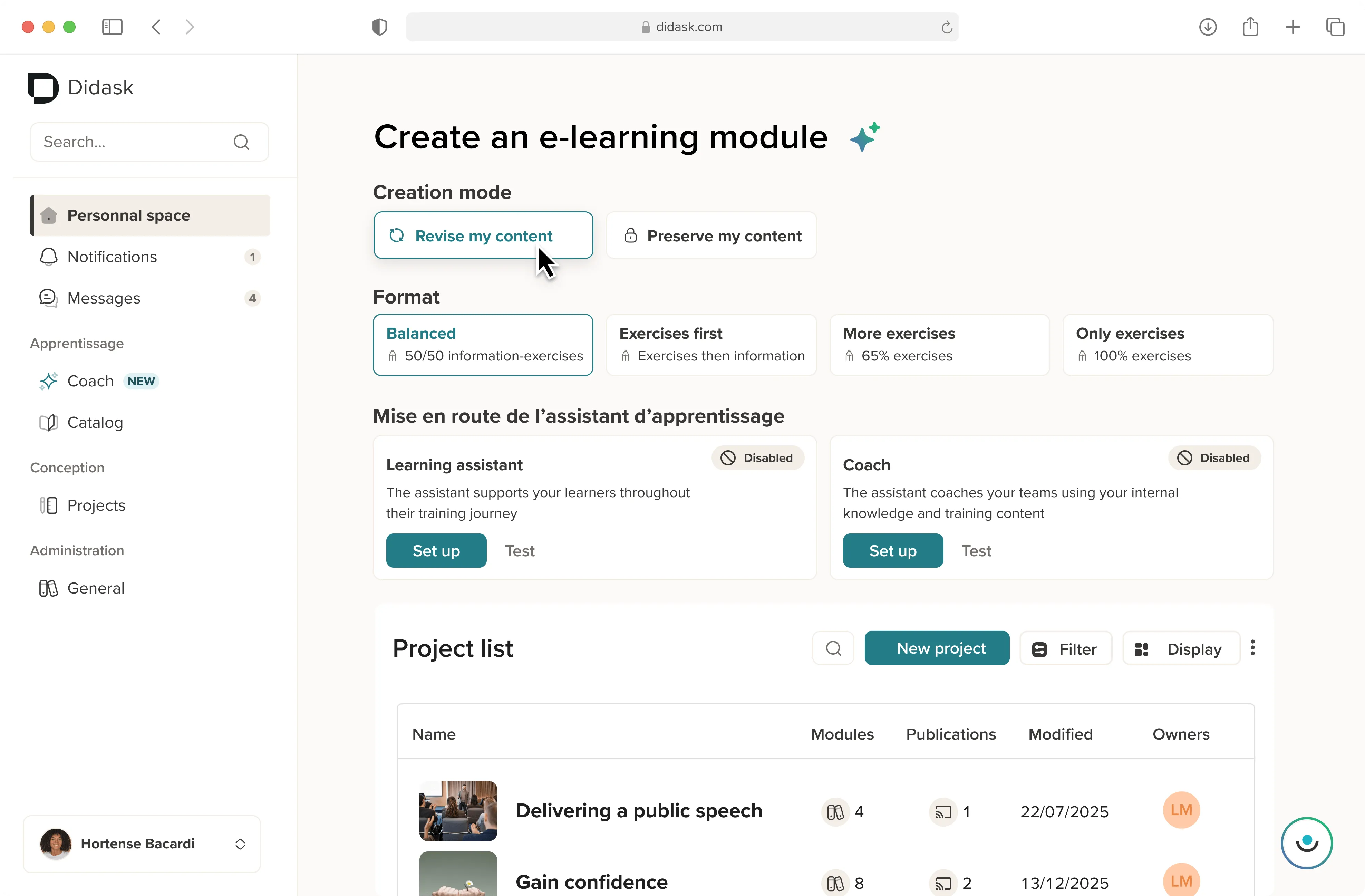
- Content creation and development speed: a good LMS should offer an integrated authoring tool to quickly create training modules. A solution like Didask integrates an AI that optimizes content creation by breaking down information into segments that are easy for learners to digest.
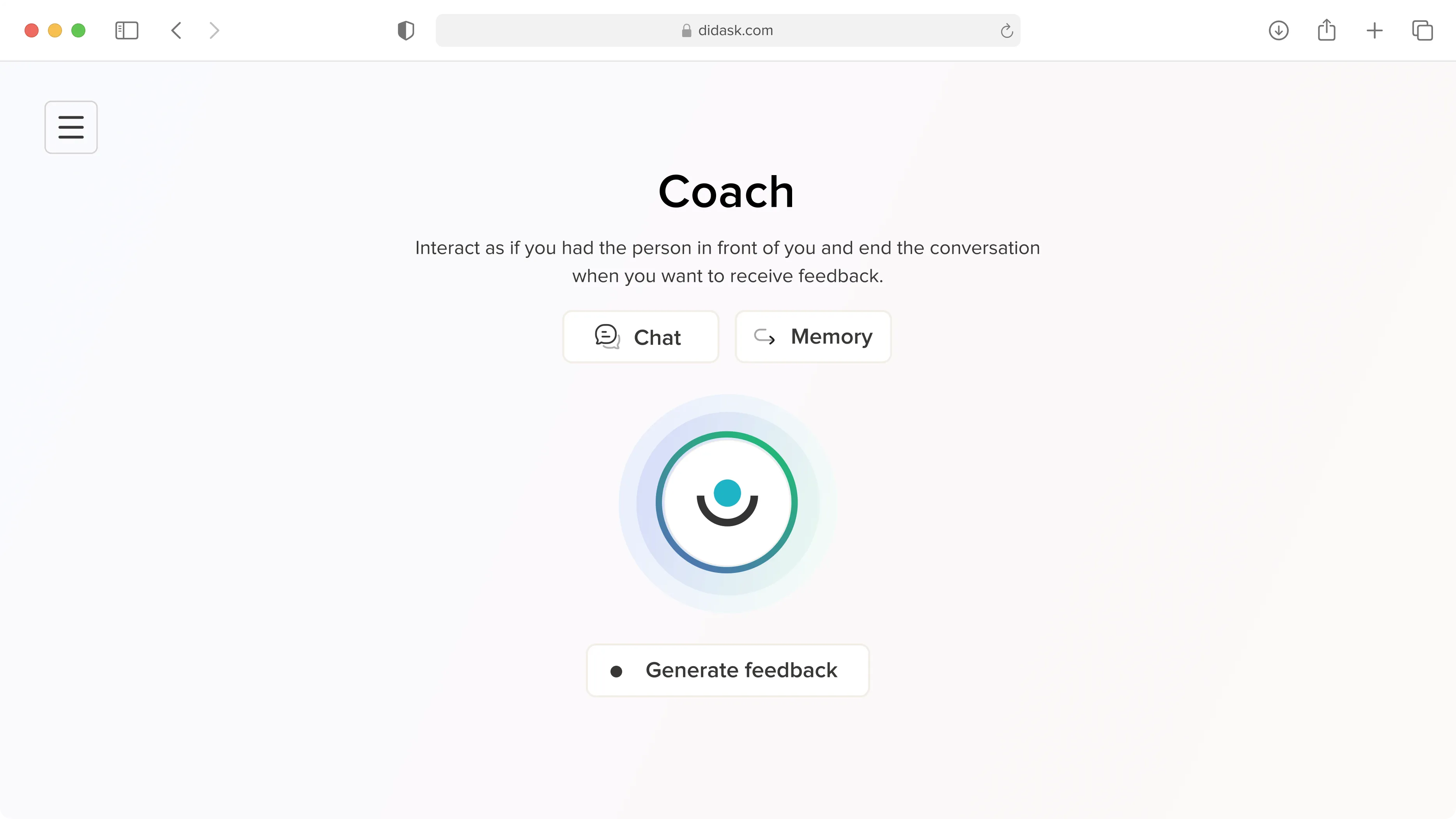
- Learner engagement: User involvement is a crucial criterion for the effectiveness of training. Options such as concrete scenarios, personalized feedback, and interactive exercises are essential. The Didask LMS platform excels in this field by offering an immersive experience adapted to real situations.
- Educational effectiveness: Educational effectiveness relies on features that help learners retain information over the long term, such as flashcards and anchor micro-actions. Didask makes a point of providing tools that reinforce the acquisition of knowledge and the development of sustainable skills.
- Administration and user management: an intuitive interface for administration is essential. It should allow simplified management of roles and groups of learners, while providing detailed statistics to measure performance.
- Support and reversibility: support and support during implementation are crucial, as is the ability to easily transfer data in case of change.
- Cost and no hidden fees: Although open source LMS are often unlicensed, it is important to take into account indirect costs (customization, technical maintenance) and to ensure the transparency of the business model
.webp)
.webp)
.webp)

.webp)


.png)