


While personal development has been on everyone's lips in recent years, professional development has enjoyed a quieter but growing popularity. For companies as well as for employees, it is gradually becoming a central issue. It is no longer just a question of training or acquiring new skills for your teams, but of creating a real journey allowing each employee to progress in their career, to strengthen their professional capacities and their ease, while actively contributing to the performance of the organization. Let's find out more about this topic!
What is professional development?
Concretely, professional development includes all the actions implemented to enable an employee to experience well-being at work, to progress in his role and to acquire the skills necessary to evolve in his job. This includes:
- the strengthening of expertise specific to the position,
- the acquisition of new knowledge,
- or even, the development of behavioral skills, soft skills.
In an employee's career, professional development is therefore of paramount importance. But in fact, what is it really based on? Why allocate resources to this division and how to offer an effective service to its employees? Let's take a closer look at that.
The 4 pillars of professional development
Technical skills: develop specific know-how
For each job, there are technical skills that recruiters are looking for. We also talk about hard skills.
Before hiring but also throughout professional life, developing and maintaining these skills is essential.
Mastery of a software, a tool, a method or a technique specific to a field of activity... In a constantly changing work environment, employees need to acquire new technical skills to remain efficient.
Businesses that promote this increase in competence promote the autonomy of their employees, their ability to adapt and their operational efficiency
Soft skills: essential behavioral skills
On the other hand, we find the Soft Skills, or what we also call behavioral skills.
As opposed to Hard Skills, the latter are intended to be less theoretical, more subjective.
For example, it is the ability to work in a team, to make decisions, or to use collaborative tools.
Soft skills play a decisive role in professional development, as they directly influence how an individual interacts with their work environment.
Communication, stress management, flexibility and creativity are all skills that promote individual and collective success.
In a context where remote work is multiplying, these qualities are becoming a major asset. And companies that invest in their development contribute to strengthening the team cohesion, motivation and commitment of their employees over the long term.
Professional experience: learning in the field
Work experience is an essential pillar of professional development.
Skills are no longer limited to what you learn in training: they are consolidated and diversified through practice.
In this context, job rotations, transversal missions and participation in team projects allow employees to:
- discover new functions and responsibilities,
- apply the skills acquired in concrete situations,
- develop autonomy and versatility,
- strengthen their overall understanding of the business.
These practical experiences are essential to build a solid career path and prepare employees for new opportunities.
Continuing education: staying up to date with market developments
Having technical skills is essential for any employee. But staying up to date in your field is even more important to remain competitive in an increasingly selective job market.
By offering continuous training to your employees, you allow them to replace obsolete knowledge with current knowledge that is relevant at the moment and in the future.
Why invest in the professional development of your employees?
Improving talent retention
We live in a world and a time where everything is fast paced. This speed and this rapidity in the acquisition of material and intangible assets make it difficult to retain talent in companies.
Investing in the professional development of your employees is an effective way to create an environment where everyone feels valued, recognized and stimulated.
By offering concrete development opportunities, the company shows that it believes in the potential of its employees. This reinforces their sense of belonging and limits turnover.
Thanks to professional development, employees are more likely to make a lasting commitment and to build their careers within the organization itself.
Boosting productivity and performance
In addition, it is useful to note that teams that feel understood and supported in every way are teams capable of offering the best of themselves, more productive and more efficient.
Professional development plays a central role here, giving employees the tools they need to improve and become more effective.
Fostering innovation and creativity
Encouraging professional development stimulates innovation. Continuing training, learning by doing and the sharing of best practices allow your employees to offer creative solutions to new challenges, to experiment with different working methods, and to be at the forefront of technological and methodological developments.
Contributing to a positive corporate culture
Finally, professional development contributes to creating a pleasant and motivating corporate culture.
Highlighting individual and collective successes allows:
- to inspire other employees,
- to create a rewarding and stimulating work environment,
- while promoting the recognition of efforts and daily commitment.
How to set up a professional development plan for your employees?
To set up an effective professional development plan for your employees, there are a few small steps to follow.
First of all, you will need to identify the key skills to be developed for each employee, taking into account their position, their aspirations and the goals of the company.
This small analysis can be done through individual interviews, performance evaluations or targeted questionnaires.
Next, you'll need to set clear, measurable goals. For example: mastering a new tool or software, acquire skills leadership, or even develop specific expertise in a field.
Do you know in which direction to start and what are the goals to be achieved? It's keeping the hour to build the path to get there.
Face-to-face training or practical workshops, online courses and MOOCs, mentoring and individual coaching... You have a choice!
Finally and in all cases, do not forget to set up regular monitoring in order to assess the effectiveness of the plan and adapt it accordingly.
Common methods of training and professional development
Face-to-face training vs online training
Face-to-face training encourages interaction and direct practice, while online training offers flexibility and autonomy.
The ideal is to combine the two modes to meet the needs of the company and the constraints of employees.
Mentoring and coaching
Mentoring and coaching, on the other hand, allow for the direct transmission of knowledge and best practices.
More experienced employees support younger employees, thus promoting the rapid integration of new hires, the dissemination of skills internally, and a good atmosphere within the company.
Corporate learning and transversal projects
Participating in transversal projects or missions in different departments allows employees to diversify their experience, develop their versatility and strengthen their internal network.
Use of learning technologies (LMS, MOOC, etc.)
Finally, online learning technologies offer resources adapted to each employee:
- courses that are certifying or not,
- internal or external knowledge libraries,
- skills monitoring.
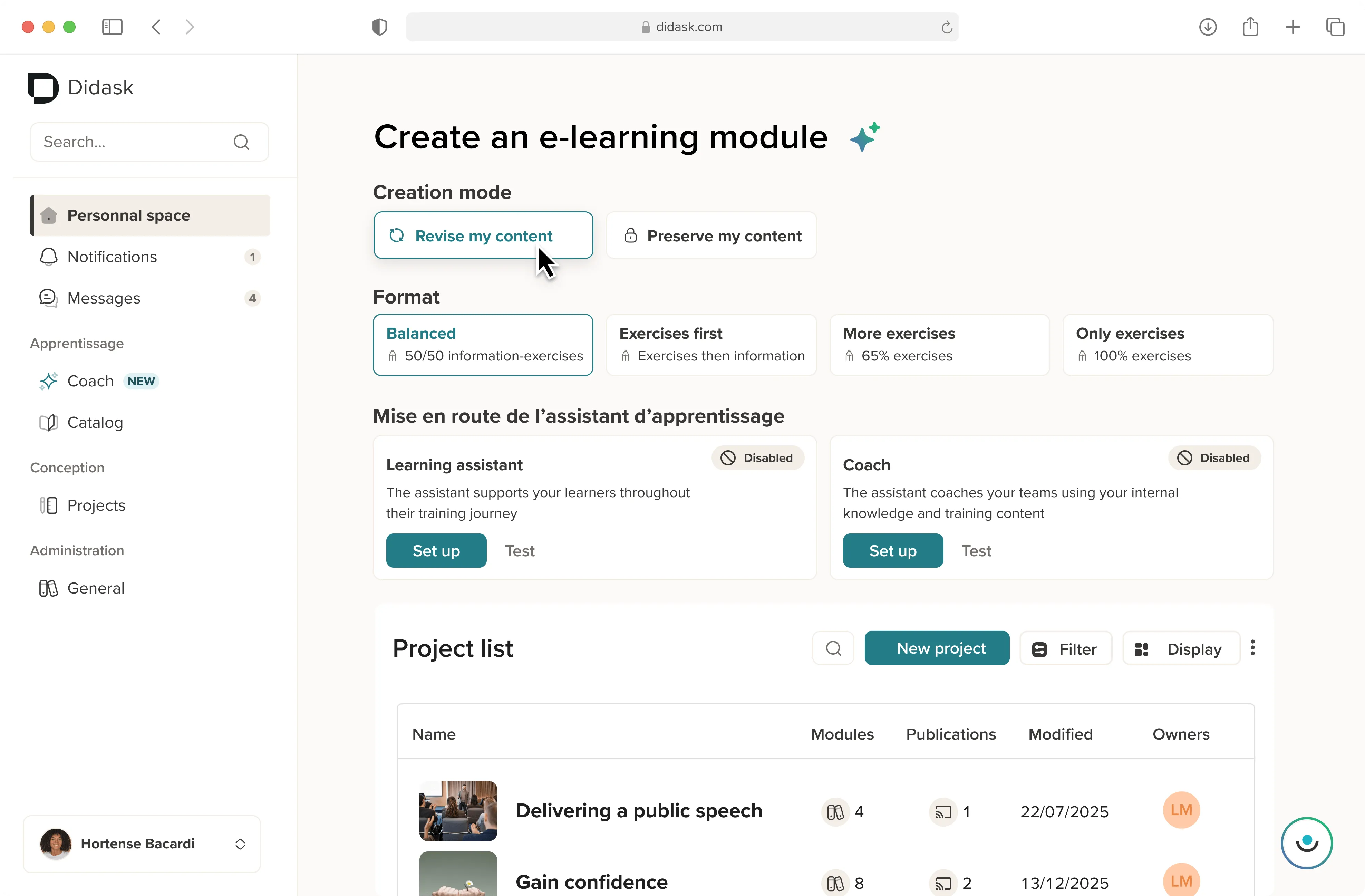
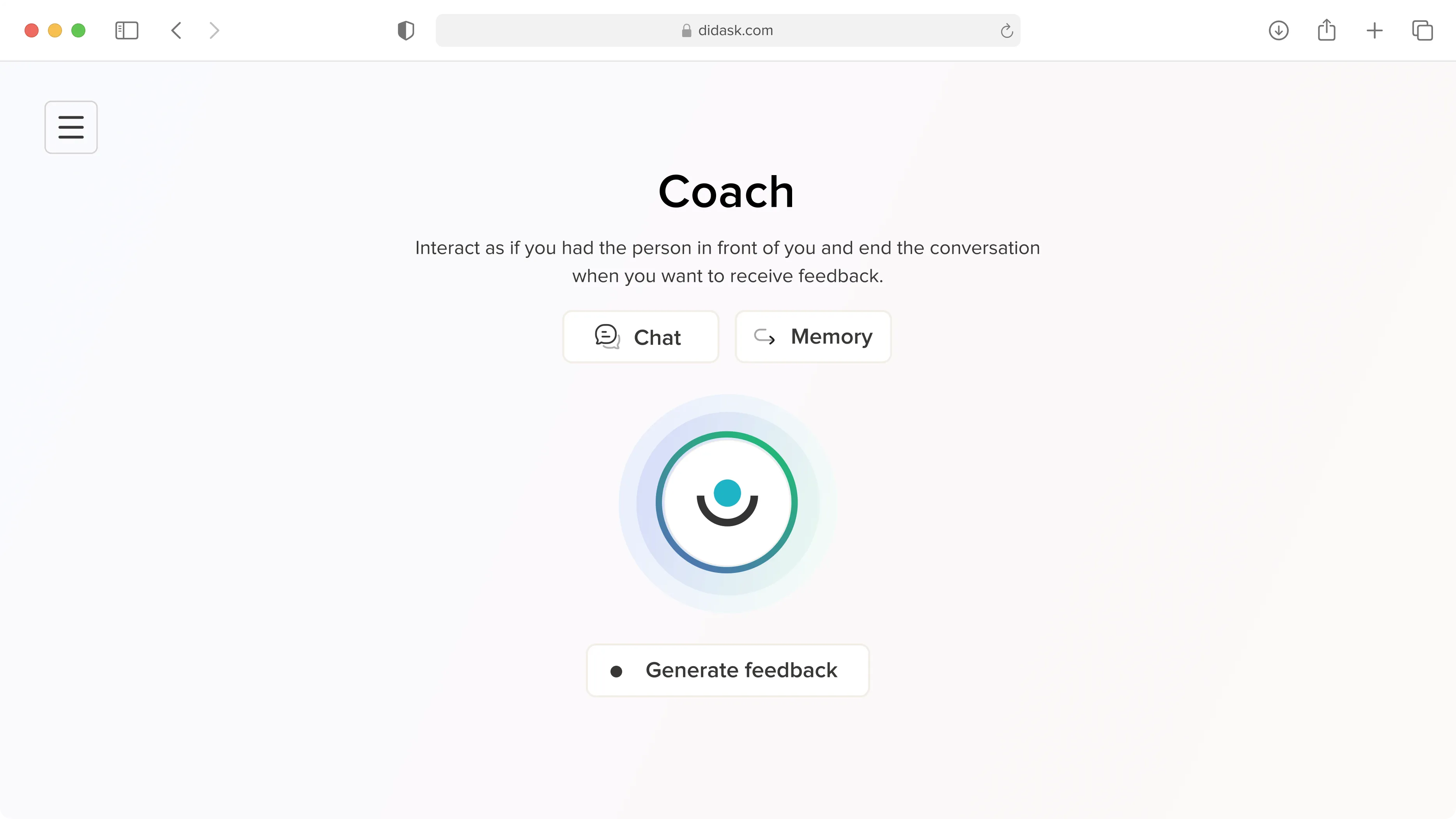
For example, Didask is an easy to learn and innovative tool, which allows you to build personalized and gamified training programs for your employees.
How does professional development benefit the company?
Beyond the interest in the career of employees, professional development benefits the company at various levels.
First, competent and committed employees improve the performance and adaptability of the company, allowing it to remain competitive in the face of market changes.
Second, professional development makes it possible to attract and retain talent. They are looking for companies that offer clear and interesting prospects for development. By investing in professional development, you ensure that you keep the best people at your side.
Finally, cultivating a friendly professional development approach within your company promotes collaboration and good understanding between employees. You create a pleasant environment for everyone, in which to evolve and progress over the long term.
Didask supports the management of professional development in companies
Didask is a french innovative learning platform which helps businesses and training organizations design, disseminate and monitor the results of their vocational training programs.
Designed to meet real needs of employees, it is based on a modern approach to learning, focused on user experience, understanding through action, practical application and the lasting memory of knowledge.
With our offers and the vast training catalog at your disposal, you have all the keys to transform your apprenticeship programs into real levers for professional development.
Do you want to discover our solution? Get the support of a member of our team and revolutionize learning in your company!
.webp)
.webp)
.webp)





.png)