


Now more than ever, hard skills are at the heart of business expectations. These technical skills, which are measurable and acquired through training or experience, are evolving rapidly with technological advances and new ways of working. Mastering these skills is essential to advance in your career and meet the demands of the job market.
In 2025, what will be the most sought-after hard skills? How can they be developed and valued? Acquiring a new skill in a company, impressing when applying thanks to your soft skills, mad skills and hard skills... Here is our guide to understanding their importance and optimizing their acquisition as a team, in particular thanks to learning platforms like Didask.
What are hard skills?
Hard skills are specific and tangible skills, often certifiable, that make it possible to exercise a specific job or position. They can be acquired through apprenticeship, academic training, or professional experience.
Common examples: mastering software, computer programming, project management or even data analysis.
The importance of hard skills
Hard skills are essential skills because they demonstrate technical expertise and the ability to perform specific tasks. They are often the first skills that recruiters assess during the recruitment process. However, in a rapidly changing world of work, combining these skills with soft skills is becoming a major asset. A company that focuses on developing the skills of its employees and that also values mad skills can stand out in its recruitment strategies and strengthen the cohesion of its team.
Hard skills, soft skills and mad skills: what are the differences?
Hard skills are not the only skills valued in business. Here is a comparison between soft skills and mad skills:
Businesses today are looking for a balance between these three types of skills (hard skills, soft skills and mad skills). Hard skills guarantee technical expertise, while soft skills and mad skills provide flexibility, innovation and adaptability.
The most sought-after hard skills in 2025
Many hard skills are in demand by employers. Here are the most popular ones in 2025:
Technological skills and software development
Mastering programming languages such as Python and JavaScript is crucial for the development of web and mobile applications. A candidate with these types of skills is more likely to land a strategic position.
Data analysis and research skills
The ability to analyze data is essential for understanding trends and making informed decisions. The use of tools such as Excel for preliminary analyses and the creation of reports is particularly valued during recruitment.
Artificial intelligence and machine learning
The development and implementation of AI and machine learning algorithms are highly sought after skills, making it possible to automate tasks and improve the operational efficiency of the company.
Digital marketing
Mastering online marketing strategies, including SEO, social media marketing, and online advertising, is critical to reaching and engaging customers in today's digital world.
Project management
Project management skills, including project planning, organization, and supervision, are crucial to ensuring the successful delivery of initiatives across a variety of sectors. Knowing how to collaborate effectively with a team is a professional skill that is considered an additional asset.
How to communicate around hard skills?
To highlight your hard skills to employers:
- Resumes and cover letters: clearly mention your relevant technical skills and provide various concrete examples of their application. Do not hesitate to highlight a complementary soft skill that could strengthen your candidate profile.
- Portfolio: create an online or physical portfolio featuring projects or works that demonstrate your work skills and, if relevant, a mad skill that sets you apart from others.
- Interviews: Be ready to discuss your technical skills in detail and provide examples of how you've used them to solve problems or improve processes. A balanced approach between hard skills and soft skills can convince a recruiter of your added value.
To identify the hard and soft skills that should be valued as a priority, start by ranking them according to their importance. For each application, select the most relevant skills according to the position in question. Job offers generally provide clear indications of recruiters' expectations. Some sections even make it easy to identify the ideal profile that the employer is looking for.
How to develop your hard skills?
In the world of work, it is important to renew yourself, to move forward with the times, to meet the changing requirements of the job market. To put all the chances on your side and to learn throughout your career, it is possible to develop your hard skills:
- Continuing education: participate in online courses, workshops, or certification programs to learn new skills or improve existing ones. This approach also makes it possible to strengthen soft skills such as autonomy and time management.
- Regular practice: apply skills learned through practical projects or internships to build understanding and experience.
- Technology watch: stay up to date with the latest trends and technologies in your field to stay up to date and relevant. A rare and innovative skill can make a difference in an application.
- Professional networking: participate in conferences, seminars, and professional groups to exchange knowledge and learn from others. It is also an excellent opportunity to identify emerging skills that are in demand on the market.
How to optimize the hard skills of your employees?
To improve technical skills within your team:
- In-house training programs: organize regular training sessions to develop new skills or improve existing ones.
- Encourage lifelong learning: provide resources and time for employees to continue their professional development.
- Mentoring: Set up mentoring programs where experienced employees can guide those looking to develop new skills.
- Use of learning platforms with integrated AI : Adopt the use of learning management systems (LMS) with instructional artificial intelligence to personalize and improve the learning experience.
Didask: support the development of skills
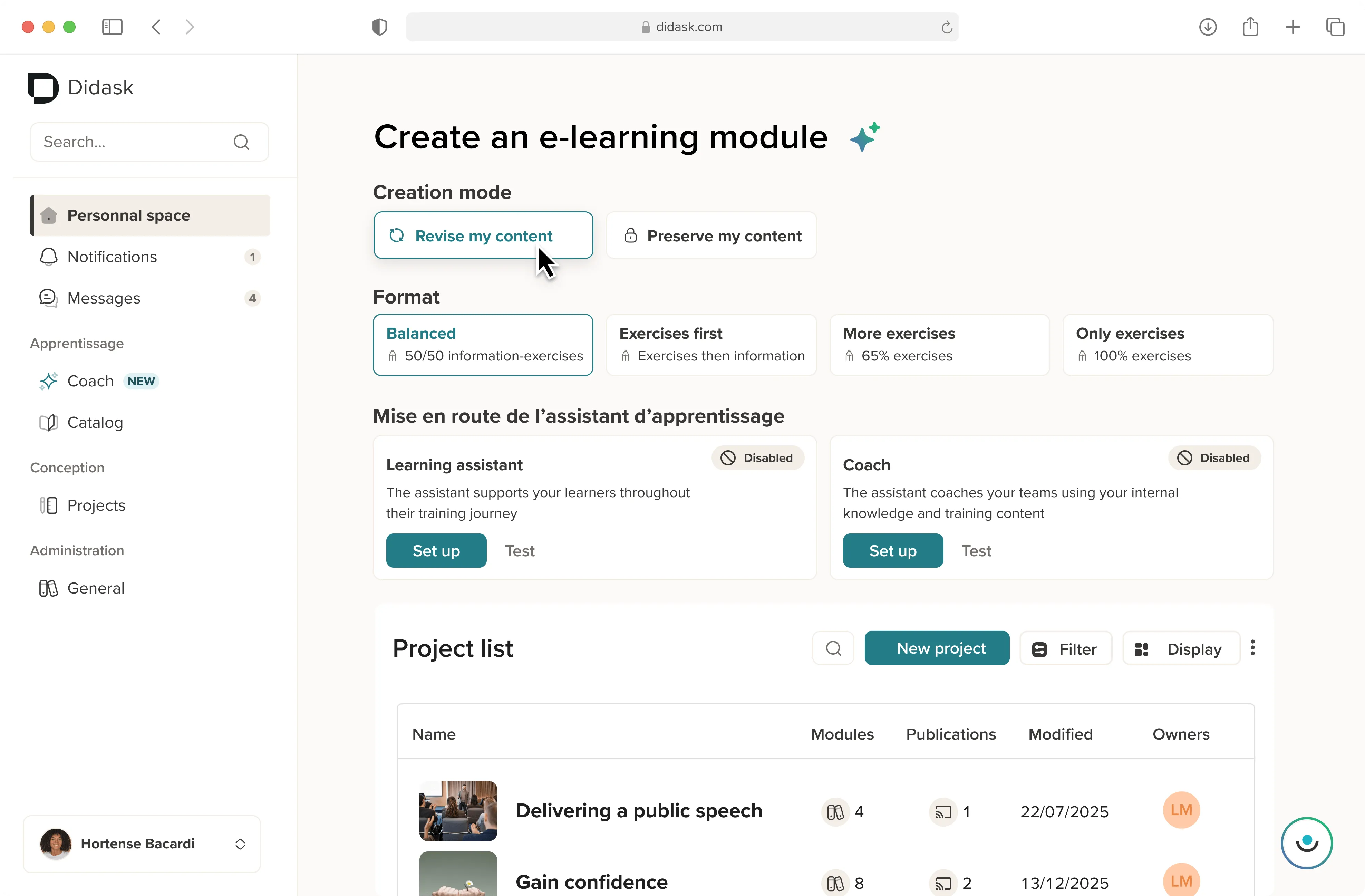
Didask is a next-generation LMS platform that integrates Instructional AI and an Authoring tool, combining artificial intelligence and cognitive sciences to improve the effectiveness of online training.
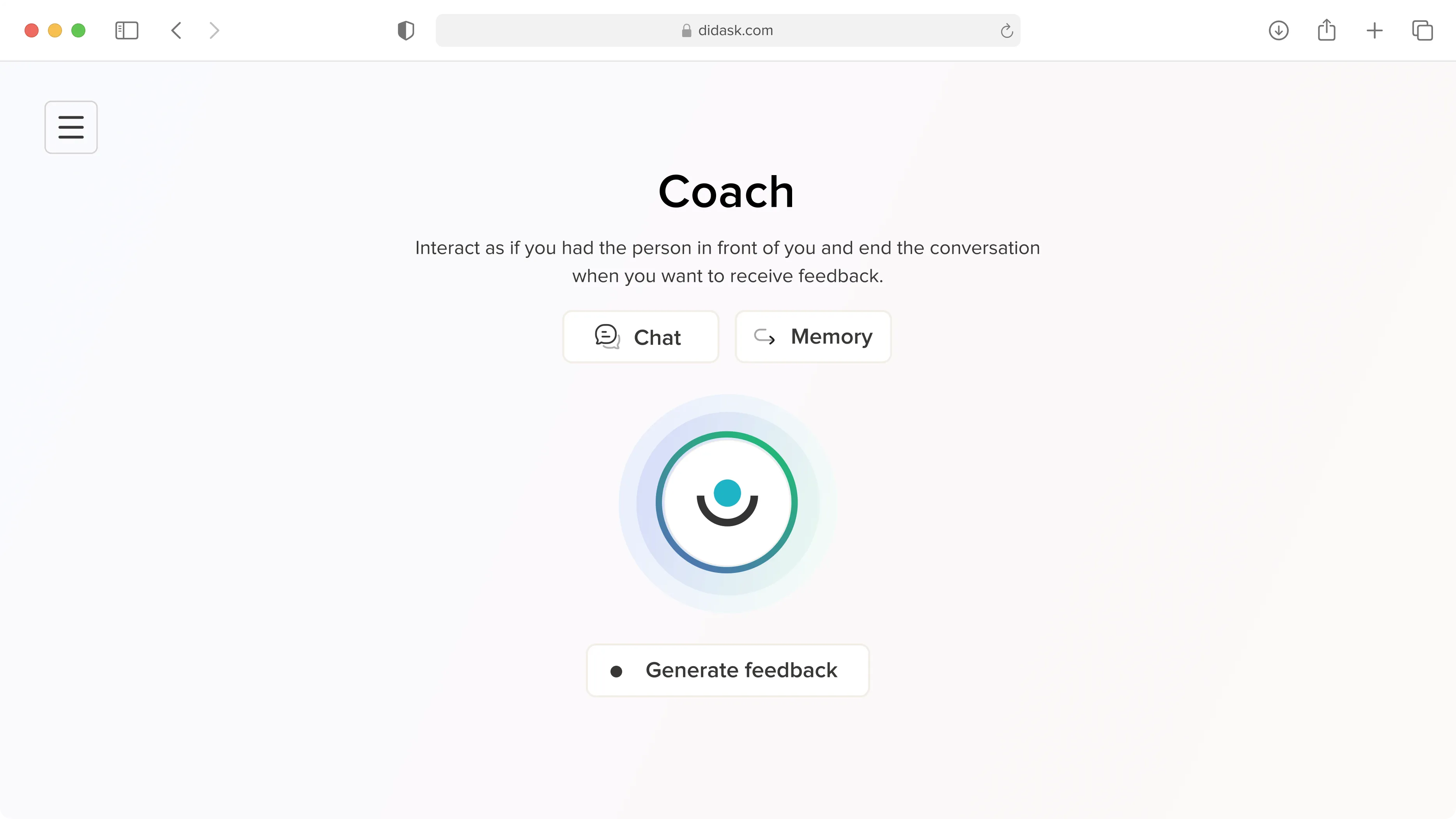
It assists designers in creating interactive and instructional content, adapts the learning experience for each individual, provides corrections in real time, and coaches learners. This approach makes it possible to create courses up to ten times faster and to have a significant impact on learners' skills development.
The Didask learning platform is easy to use, both for course creators and for users. In addition, it is a flexible solution since it is possible to access its courses at any time and from various devices (computer, smartphone, tablet).
In 2025, hard skills remain essential pillars for evolving in a constantly changing professional environment. Digital transformation, the rise of artificial intelligence and the evolution of jobs require companies and employees to strengthen their technical skills. However, it is not enough to have hard skills: it is just as crucial to know how to value them and adapt them to the needs of the market.
Thanks to learning platforms, and in particular to solutions integrating instructional AI such as Didask, it is becoming easier and more effective to acquire and optimize these skills. These platforms offer personalized, interactive and scalable learning, allowing everyone to improve their skills according to market requirements.
Whether you are a professional looking for growth or a company wishing to train its teams, investing in the development of hard skills is a strategic choice to ensure long-term success and competitiveness.
.webp)
.webp)
.webp)





.png)