


In a professional environment that is constantly evolving, Managerial skills Are more essential than ever. The role of the manager is no longer limited to the supervision of a team: it involves the management of complex projects, the management of change, the exercise of leadership, intelligent delegation and the sustainable motivation of each employee. So many missions that require Multiple Skills, adapted to various contexts and integrated into a clear framework of know-how and interpersonal skills.
Know How to Learn Continuously is also becoming a key skill for any manager who wants to evolve with agility. Building a solid framework of managerial skills makes it possible to align the training strategy with the needs of the field, while effectively managing each skills development project.
In this comprehensive guide, we'll explore what managerial skills are, why they're so strategic, and how to develop them in a sustainable way within your organization. Finally, we will see how the Training platform Didask, thanks to its numerous innovative tools, allows companies and training organizations to effectively strengthen managerial capacities.
- Managerial competencies combine technical skills (organization, delegation) and soft skills (communication, emotional intelligence) to lead teams effectively in evolving environments
- The 9 essential skills include leadership, communication, talent development, decision-making, emotional intelligence, change management, conflict resolution, organization, and exemplarity
- Effective training requires contextualized courses rooted in reality, varied modalities (blended learning, microlearning, coaching), and a culture of continuous learning
- Investing in managerial development anticipates work transformations, improves company performance, reduces turnover, and prepares tomorrow's leaders
- Didask strengthens managerial competencies through cognitive science-based training, pedagogical AI, adaptive learning, and an integrated AI assistant for daily support
Define managerial competencies: what are we talking about?
A managerial skill is The Ability of a Manager to Mobilize a Set of Knowledge, know-how and interpersonal skills to lead a team, achieve goals, and improve collective performance. These skills include both technical skills (project management, organization, delegation) and so-called “soft” skills (communication, leadership, emotional intelligence).
A good manager knows how to adapt to his environment, make quick decisions, regulate conflicts, motivate his group and embody the values of the company. He is A catalyst for engagement and an enabler of change.
Managerial Skills Are Not Fixed : they evolve with organizational contexts, team expectations and new ways of working (hybrid, transversal, collaborative...). That is why it is crucial to regularly reassess them, advance them and integrate them into An approach of Continuing Education. Identifying the key skills to be developed also makes it possible to align the company's HR and strategic objectives, while professionalizing the managerial role.
Managerial competencies evolve with your organization. Regular assessment through 360° feedback or assessments helps identify priority development areas and adapt your training plan accordingly.
The 9 managerial skills to be developed as a priority
Here is an overview of the essential skills that underpin a Effective Management, Centered on People, Performance and Adaptability. Each competency listed contributes to building balanced, operational and inspiring leadership.
1. Leadership: Inspiring to mobilize
A leading manager knows how to transmit a vision, give meaning to actions, and involve his employees in a common project. Leadership is based on trust, exemplarity, listening and accountability. It is the ability to positively influence behaviors and motivate the team, even in complex times.
2. Communicate Clearly and Listen Actively
Managerial communication is at the heart of the role of team leader: knowing how to clearly express expectations, get the right messages across, but also listen with empathy and consider the feedback of your employees. This promotes a climate of transparency, mutual respect, and accountability. It is also a powerful tool for preventing misunderstandings and defusing tensions.
3. Manage and develop team talents
Identifying potentials, promoting the development of skills, delegating effectively, conducting constructive interviews... The manager is also a skill developer. It supports employees in their skills development and values the strengths of each individual, in a logic of continuous progress and reinforced autonomy.
4. Decision Making and Problem Solving
A successful manager must know how to quickly analyze a situation, make effective decisions and manage unforeseen events rigorously. It is also the guarantor of the quality of the arbitrations. This competence involves discernment, logic and sometimes managerial courage to decide in complex situations.
5. Emotional intelligence and stress management
Understanding your own emotions, regulating tensions, showing empathy... so many essential skills for human and sustainable management. This posture promotes well-being at work and better conflict regulation.
6. Agility and change management
Managers are at the forefront of supporting organizational changes: new working methods, digital transformations, new expectations of employees. Knowing how to adapt is becoming a central skill, in particular to mobilize teams in uncertainty and create a positive dynamic despite change.
7. Managing Conflicts and Tensions in the Group
No team is immune to friction. The manager must be able to intervene diplomatically, maintaining a serene and productive work environment. Conflict management is a key skill to maintain group cohesion, ease tensions quickly, and avoid deleterious effects on motivation.
8. Organization, planning and delegation
A good manager knows where he is going and how to get there: set priorities, organize tasks and delegate intelligently, taking into account everyone's skills. It optimizes resources and avoids overload by effectively structuring projects, which reduces collective performance and reduces grey areas in the team.
9. Exemplarity: embodying your values without ego
A manager should not only say, he should also do. Through his attitude, his sense of responsibility and his humility, he shows the way to his team. Exemplarity reinforces the legitimacy of the manager and inspires trust. It creates a strong alignment between discourse and actions, which is essential for sustainable federations.
Why focus on managerial skills?
Strengthening the skills of its managers is a profitable strategy in the short, medium and long term. This makes it possible not only to respond to changes in the world of work, but also to Building a Stronger, More Resilient and More Human Organization.
Anticipating work transformations
New digital tools, hybrid formats, increasing accountability... The rapid evolution of working conditions requires managers to constant adaptability. Their training is therefore a lever for foresight and resilience. It prepares them to guide their teams in a changing environment.
Improving the Overall Performance of the Company
Competent managers promote a Climate of Trust, reduce turnover and improve collective performance. They guarantee the strategic alignment between vision, actions and results, and become pillars of organizational development. Their influence is also measured in the motivation and commitment of employees.
Preparing Tomorrow's Leaders
Supporting managers in developing their skills also means anticipating tomorrow's leadership needs and Create a solid management culture and consistent. It is a question of identifying and developing talents with high potential, by laying the foundations for a succession Aligned with the values of the company.
Better train your managers: best practices
How to create high-impact training programs for Support the development of your managers' skills ? Here are some best practices to adopt, whether you are a business or a training organization.
Create tailor-made, contextualized courses rooted in reality
Managerial skills are not acquired on a theoretical level alone. To be effective, training must be based on situations close to the field: context, case studies, role plays, interactive simulations... This Realism Adopts the adoption of good reflexes and allows managers to more quickly transpose what has been learned into their daily lives.
Vary the modalities and the tools
Blended learning, microlearning, collaborative workshops, mentoring, coaching... The diversity of formats is a powerful lever for engagement. By combining distance learning, face-to-face and individualized support, you offer managers a dynamic, flexible and motivating career path.
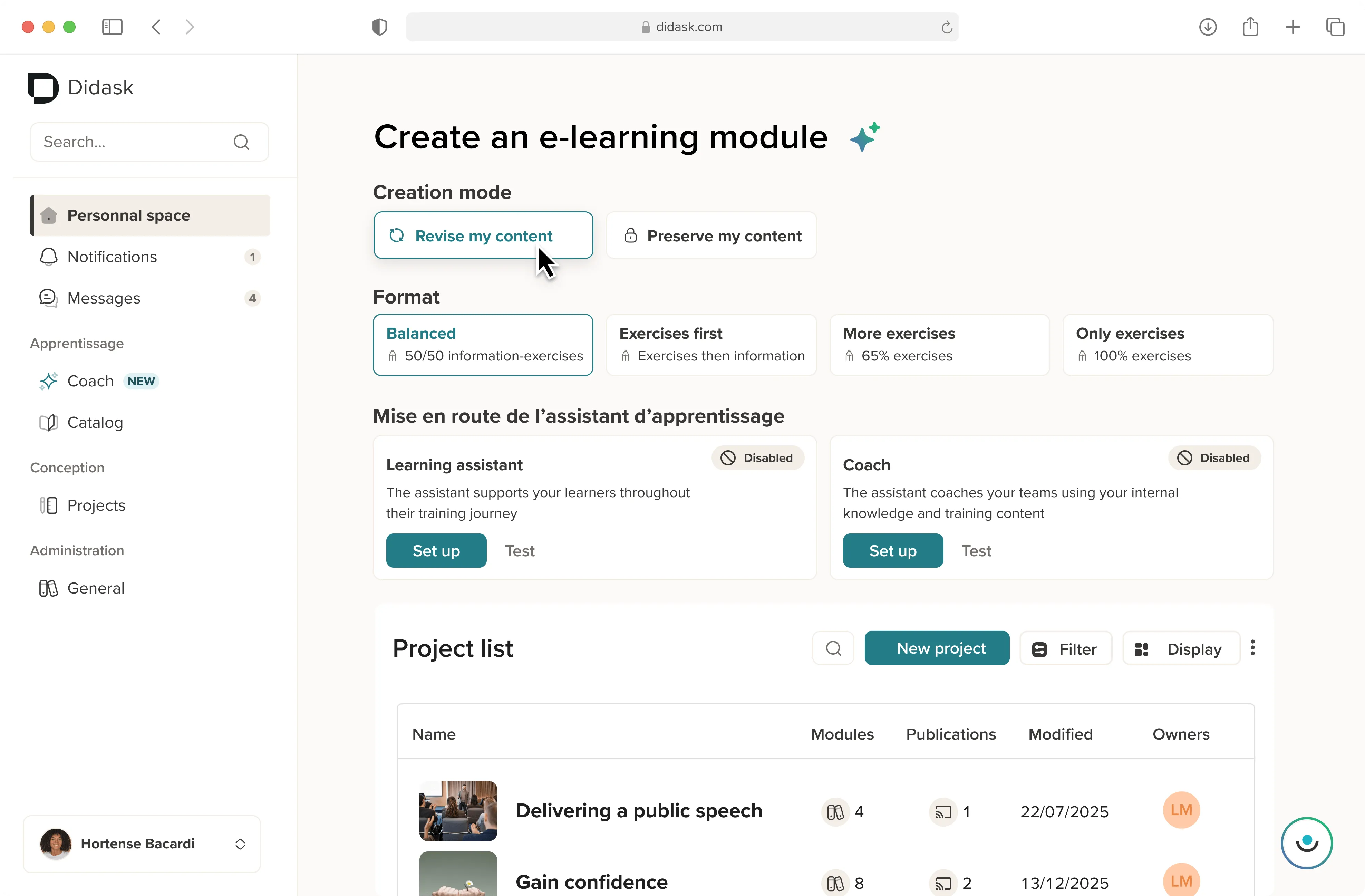
A Good LMS tool, like the one from Didask, allows you to Centralize these approaches, to measure progress and to adapt content according to profiles.
Establishing a culture of continuous learning
Training once is not enough: managerial challenges are evolving rapidly. It is essential to Create an environment that is conducive to regular learning, with resources available on demand, frequent updates, and short formats for learning as you go. This encourages accountability and makes it possible to develop skills in the long term. A well-trained manager is a manager who is constantly learning.
How does Didask strengthen managerial skills?
In a context where the requirements of the manager role are constantly evolving, Didask offers An innovative pedagogical approach, based on Cognitive science And the Situation concrete. The objective: to train managers who are able to adapt, motivate their teams and manage effectively in a complex environment.
The Didask Platform Does Not Just Transmit Theoretical Knowledge: It Actively supports the development of key skills, by mobilizing powerful tools and proven methods.
Here are the levers proposed to strengthen the skills of your managers:
- One Didask training catalog written by our expert partners. The contents are designed to meet the operational challenges of businesses.
- One Author tool intuitive to create or customize training modules according to your corporate culture, your objectives or the situations encountered in the field. This makes it possible to contextualize learning and to promote memory anchoring.
- One Educational AI Able to adapt the courses to the individual needs of each manager. Thanks to artificial intelligence, each employee benefits from a learning path that is optimized according to their level, objectives and pace.
- A system of Adaptive learning, which automatically adjusts content and activities based on learner responses. This allows for the targeted strengthening of weak points, while consolidating long-term gains.
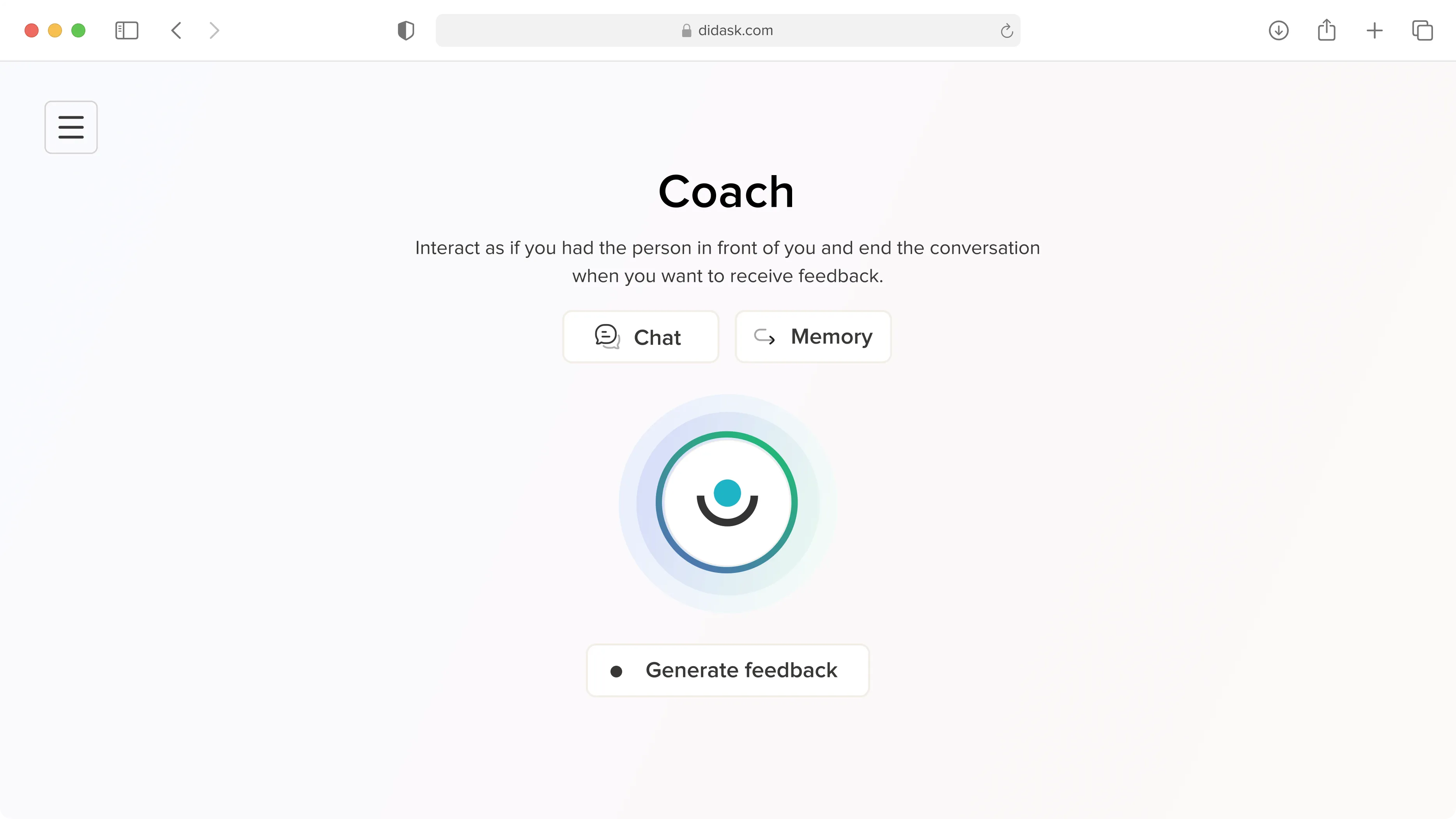
- One AI assistant integrated that supports managers on a daily basis, by providing them with advice, reminders or concrete applications. A true digital coach, he promotes the immediate application of skills.
These advantages make Didask a strategic partner for all organizations wishing to professionalize and equip their managers on a large scale, while respecting their internal specificities.
Frequently asked questions about managerial skills
To end this guide, let's discuss several key questions that HR, training, or management development professionals often ask. These questions highlight the current challenges of management and the need to properly equip team leaders.
Management or leadership: same fight?
Not exactly. Management is based on structuring skills : plan, organize, coordinate, evaluate. Leadership, on the other hand, requires the ability to inspire, unite and give meaning to collective action. The former guarantees stability and efficiency, the latter fosters commitment and innovation.
A complete manager will know how to handle these two dimensions: Lead with Rigor While Instilling a Mobilizing Dynamic. It is this complementarity that makes it possible for teams to embark on performance and motivation.
How do you know your leadership style?
There are several tools to help managers identify their dominant style: personality tests, self-assessment grids, 360° feedback, support from a coach or trainer.
But beyond the initial type of leadership (participatory, directive, delegative, etc.), it is The Ability to Adjust One's Approach that makes a difference. A good leader is able to move from one style to another depending on the context, goals and maturity of his collaborators. That's what we call the Situational leadership : a flexible, thoughtful posture focused on collective effectiveness.
Hard Skills and Soft Skills: Which Ones for Effective Management?
Both are essential. The Hard Skills (technical or business skills) allow the manager to understand the challenges of his team, to assess the deliverables or to contribute to decisions.
But these are the Soft Skills (communication, emotional intelligence, stress management, ability to listen) that facilitates team dynamics, project adherence and conflict resolution.
Modern Management is therefore based on A subtle balance between expertise and relational posture. Developing one without the other limits the managerial impact: it is the alliance of the two that creates credible and inspiring leadership.
Managerial skills are the foundation of Collective Performance And of Well-being at work. All the more so in a changing world where agility, listening and leadership make the difference.
Support managers in their skills developmentIs not only meeting current market requirements, but also preparing for the future. Good management creates an environment that promotes commitment, innovation and talent retention. It promotes cooperation, autonomy and accountability at all levels of the company.
By investing in managerial development, you are banking on a sustainable lever for transformation. And with Didask, you benefit fromAn Innovative Educational Solution, capable of combining efficiency, personalization and anchoring in reality. Give your managers the tools to become inspiring leaders and empower your organization to grow sustainably.
.webp)
.webp)
.webp)

.webp)


.png)